Colorectal cancer has become a significant health concern, now recognized as the second leading cause of cancer-related deaths in the United States. The American Cancer Society (ACS) highlights a troubling trend: while incidence rates have decreased among older adults, those under the age of 50 are experiencing a marked rise in cases. A study from the American College of Surgeons reveals that individuals born in the 1990s are twice as likely to develop colorectal cancer compared to those born in the 1950s. In response to this alarming shift, the ACS revised its guidelines in 2018, lowering the recommended age for colorectal cancer screening from 50 to 45.
Recent research published in JAMA Oncology suggests that a diet high in ultra-processed foods (UPFs) may be contributing to this trend. The study, which analyzed data from over 29,000 women, found a significant correlation between UPF consumption and the risk of developing adenomas, a type of pre-cancerous polyp. Women with the highest intake of UPFs had a 45% higher risk of adenomas compared to those with the lowest intake.
Dr. Andrew T. Chan, a gastroenterologist at the Mass General Brigham Cancer Institute and a professor at Harvard University, led the study. He notes the alarming statistic that more than 50% of calories consumed by Americans now come from ultra-processed foods. This dietary shift parallels the rising rates of early-onset colorectal cancer. “Given the increasing evidence that ultra-processed food might have some detrimental health effects, we wanted to know if these things were related,” Dr. Chan stated.
Study Overview and Findings
The research team investigated data collected over 24 years from the Nurse’s II Study, which included 29,105 female nurses under 50 with no prior cancer history, except for nonmelanoma skin cancer. Participants completed food-frequency questionnaires every four years and underwent two lower endoscopies before age 50 to detect precursors to colorectal cancer.
On average, the women consumed 5.7 servings of UPFs daily, contributing to 35% of their caloric intake. The analysis revealed that those eating the highest amounts of UPFs—averaging 10 servings a day—faced a 45% increased likelihood of having pre-cancerous polyps associated with early-onset colorectal cancer. In contrast, there was no significant link between UPF consumption and serrated lesions, another type of precancerous growth.
Understanding Ultra-Processed Foods
Ultra-processed foods are defined by the NOVA food classification system as industrially produced items containing multiple artificial additives. These ingredients often include high fructose corn syrup, artificial flavors, colors, and excessive amounts of salt, sugar, and unhealthy fats. According to the U.S. Food and Drug Administration (FDA), approximately 70% of the U.S. food supply consists of these products.
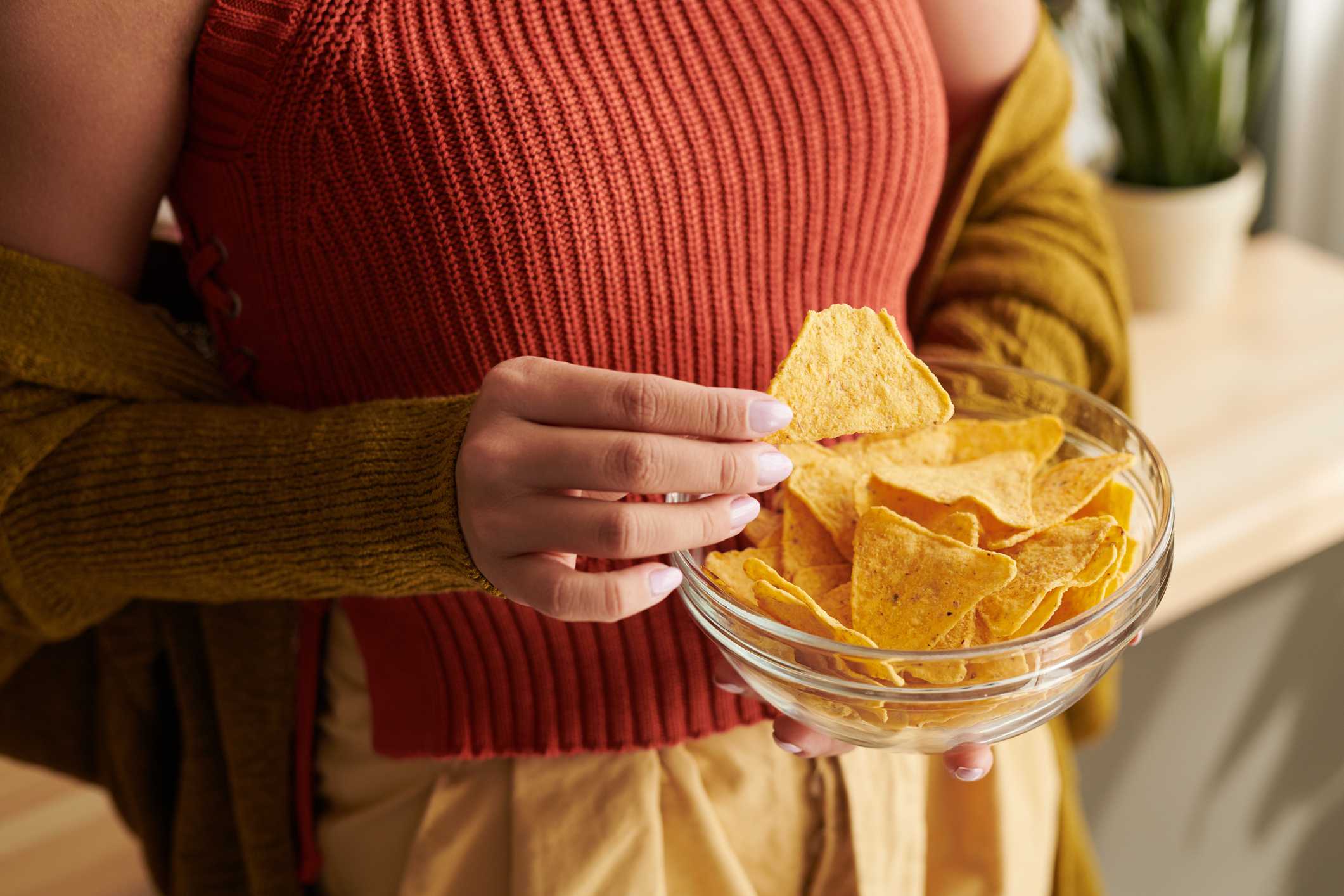
Dr. Chan describes UPFs as items designed for long shelf life and convenience, including packaged snacks, sugar-sweetened beverages, and ready-to-eat meals. Many condiments and seasonings also fall into this category, often containing unhealthy additives.
The implications of UPF consumption extend beyond individual health. Dr. Chan indicates that these foods may contribute to chronic inflammation, metabolic syndrome, and obesity—all recognized risk factors for colorectal cancer. Furthermore, a disruption in gut microbiota due to UPF consumption could damage the intestinal lining and promote cancer development.
While the study does not claim that diet is the sole reason behind the rising rates of colorectal cancer in younger individuals, it underscores the critical role that food choices play in overall health.
Dr. Chan emphasizes the importance of making dietary adjustments to mitigate cancer risks. He encourages focusing on whole, plant-based foods, rich in fiber, such as fruits, vegetables, legumes, nuts, and whole grains. Additionally, he advises limiting the intake of red and processed meats, alongside maintaining a healthy weight and staying physically active. For individuals at average risk, screening should begin at age 45 as recommended by the ACS.
The findings of this study highlight the need for increased awareness regarding dietary habits and their potential health implications. As research continues, understanding the connection between diet and cancer risk will be vital in addressing the growing incidence of colorectal cancer among younger populations.