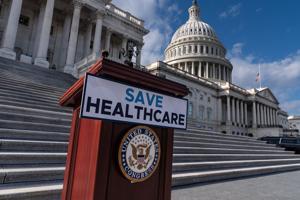
A recent poll conducted by the AP-NORC Center for Public Affairs Research reveals that health care is the foremost priority for American voters as they look toward the upcoming elections in 2026. This survey highlights a growing concern among citizens regarding medical expenses and the sustainability of health care systems, particularly for vulnerable populations.
Julia Dvorak, a 56-year-old resident of Washington, exemplifies the anxieties many Americans face. With her 83-year-old mother experiencing frequent emergency room visits due to seizures, Dvorak finds her retirement savings being depleted. As medical costs rise, she fears that her mother will soon qualify for Medicaid, a government program designed to assist those with limited income and resources. Dvorak herself suffers from a chronic knee condition, relying on state and federal assistance, which she anticipates will become even more critical as her health expenses increase in the coming year.
The AP-NORC poll, conducted in late September 2023, surveyed over 1,000 adults across the United States. It found that approximately 62% of respondents identified health care as a top governmental concern. This figure underscores a significant shift in public sentiment, as health care consistently ranks above other issues such as the economy, education, and immigration.
Rising Health Care Costs Drive Voter Sentiment
The financial burden of health care is not isolated to individual cases; it reflects a broader trend affecting many American families. The rising costs of treatments, medications, and hospital visits are straining budgets, leading to difficult choices for families like Dvorak’s. The poll indicates that nearly half of the respondents reported delaying necessary medical care due to financial constraints, a statistic that raises concerns about the long-term health outcomes for these individuals.
Moreover, the poll highlights disparities in health care access, with lower-income individuals reporting significantly higher levels of stress related to medical expenses. For many, the fear of unexpected health crises looms large, particularly when considering the costs associated with emergency care.
According to the Centers for Medicare & Medicaid Services, national health expenditures are projected to reach approximately $6.2 trillion by 2028, further compounding concerns over affordability and access. As the political landscape evolves, candidates will need to address these pressing issues to resonate with the electorate.
Implications for Future Elections
The findings of the AP-NORC poll signal a critical moment for political candidates. With health care emerging as a central issue, those seeking election in 2026 must formulate clear strategies to address the public’s concerns. Voters are increasingly looking for solutions that not only promise lower costs but also improve the quality and accessibility of health care.
Dvorak’s situation encapsulates the urgency behind these issues. She reflects a growing demographic that is not only worried about their health but also about the financial implications of necessary medical care. As the country moves closer to the next election cycle, it is evident that health care will play a pivotal role in shaping voter priorities and influencing policy decisions.
In summary, the AP-NORC poll serves as a crucial indicator of American priorities, highlighting health care as a defining issue for the future. As citizens like Julia Dvorak navigate their personal health crises, the broader implications for the nation’s health care system remain a priority that cannot be ignored.