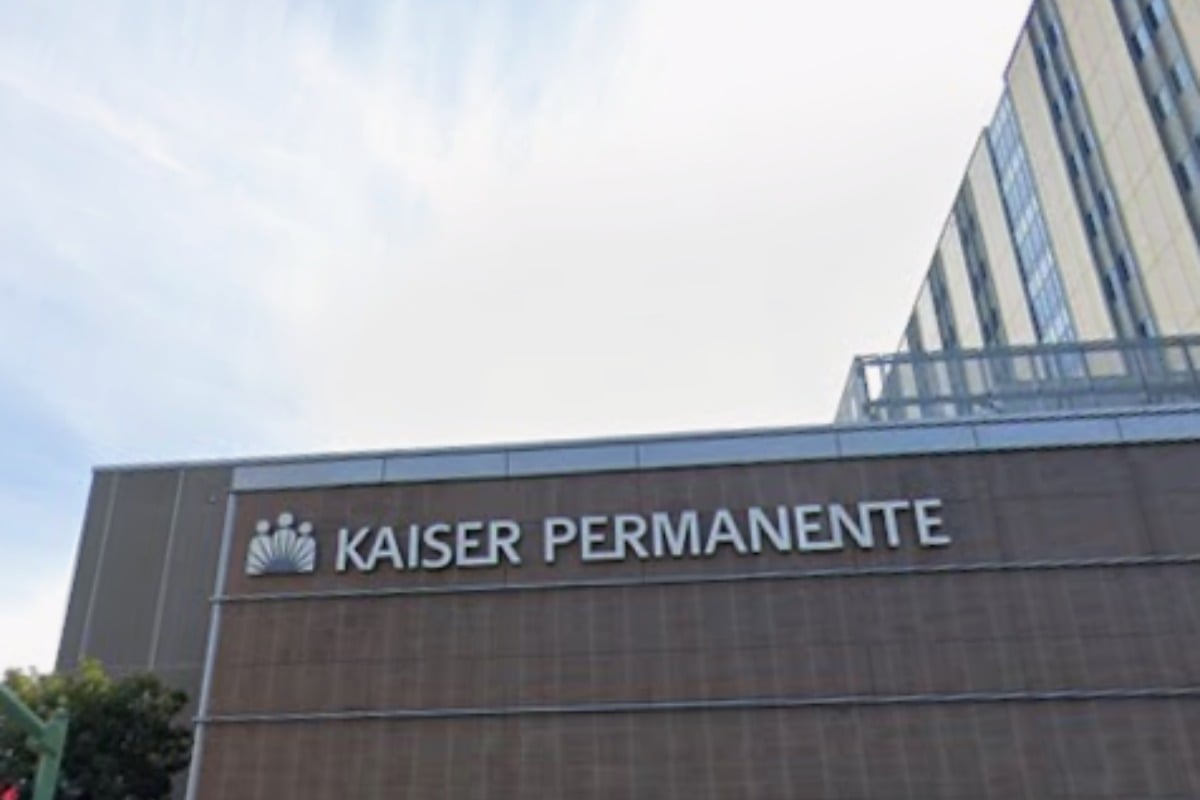
Approximately 31,000 healthcare workers from Kaiser Permanente have launched an indefinite strike across California and Hawaii. This action, regarded as one of the largest healthcare strikes of the year, comes as a result of stalled contract negotiations that began last month. Workers, represented by the United Nurses Associations of California/Union of Health Care Professionals (UNAC/UHCP), are demanding improved staffing levels, enhanced safety protocols, and fair wages.
The strike commenced after Kaiser and the union were unable to reach an agreement. According to a report from ABC7 News, workers are expressing dissatisfaction with Kaiser’s current wage proposal, which includes a 21% wage increase. Union representatives argue that this offer fails to acknowledge their contributions to the organization’s profitability. As Brian Nitta, president of the Advanced Trauma Care for Nurses, stated, “We just want to see some reinvestment to our unit going forward.”
Despite the strike, Kaiser has assured the public that it will continue to provide most services without interruption. The organization is committed to informing patients about any necessary changes to appointments. However, tensions have escalated, with UNAC/UHCP filing charges against Kaiser with the National Labor Relations Board for alleged unlawful practices during contract negotiations.
In a statement reported by San Jose Inside, the union accused Kaiser management of undermining negotiations and using intimidation tactics against employees exercising their right to strike. The president of UNAC/UHCP, Charmaine S. Morales, RN, emphasized the importance of the strike, saying, “We’re authorizing a strike to win staffing that protects patients, win workload standards that stop moral injury, and win the respect and dignity Kaiser has denied for far too long.”
Kaiser, in response to the ongoing strike, has announced what it claims to be the “strongest compensation package in our national bargaining history.” The company aims to conclude seven months of negotiations and return to local discussions, which the union has described as inadequate. UNAC/UHCP continues to leverage the strike to advocate for their demands, including safe staffing, fair wages, and recognition of their professional contributions.
“The fact that Kaiser says it doesn’t have resources to fix staffing indicates a preference for maintaining a substantial financial cushion over prioritizing patient care and the wellbeing of its healthcare workers,” Morales asserted. She challenged Kaiser to reevaluate its priorities and engage in meaningful negotiations.
The strike’s impact is extensive, affecting over two dozen hospitals and hundreds of clinics operated by Kaiser. As the situation unfolds, the healthcare community closely watches the developments and the potential ramifications for patient care and staff welfare.