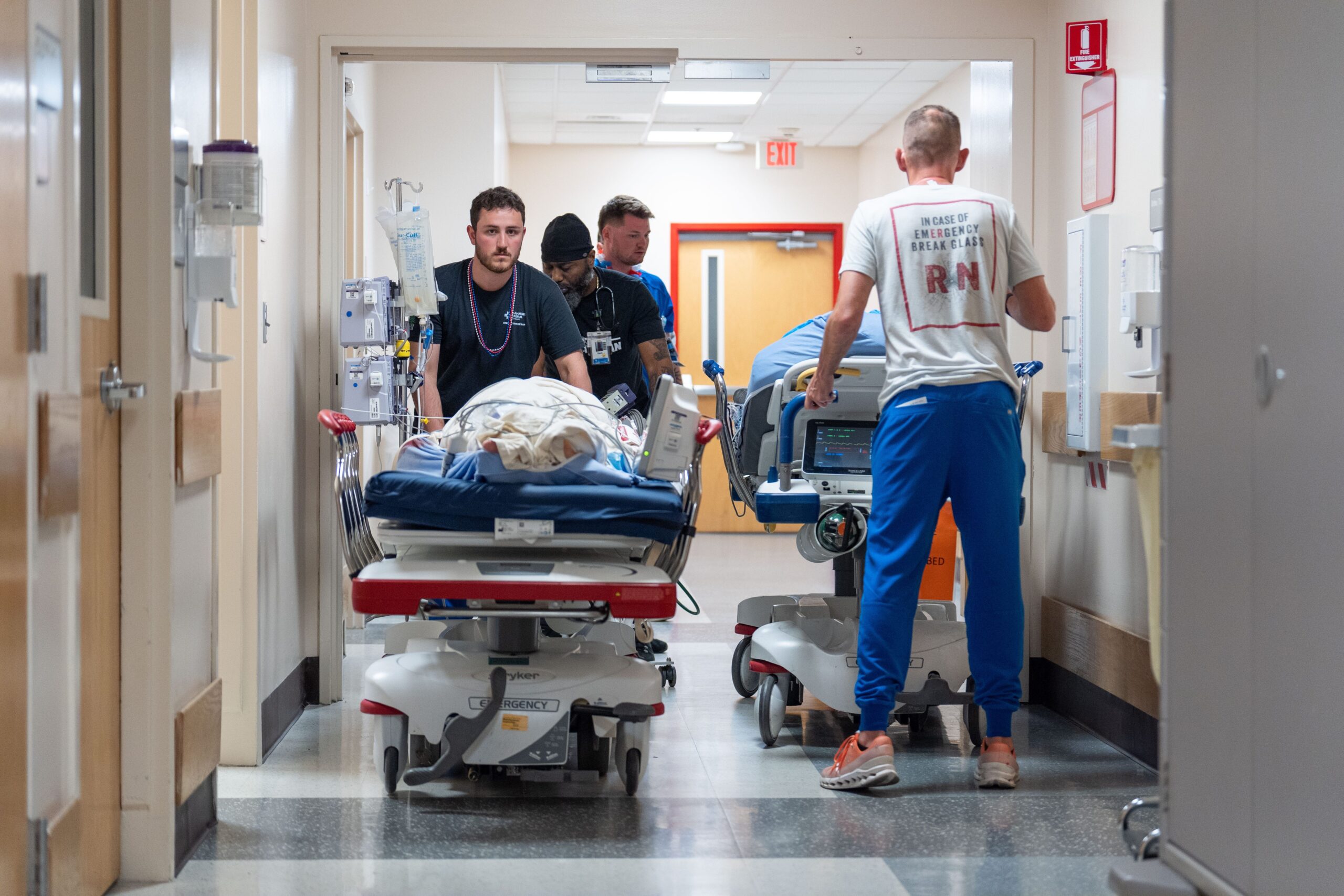
The recent agreement between Florida State University (FSU) and the City of Tallahassee marks a significant shift in the healthcare landscape of the capital city. This deal, valued at $1.7 billion, effectively transfers ownership of the Tallahassee Memorial HealthCare (TMH) campus to FSU. As local residents ponder the implications, a central concern arises: Will patients still need to travel long distances for specialized medical care?
Under the terms of the agreement, the city will charge FSU $109 million for the transfer, which will be paid back to the community through annual installments of $3.63 million over the next 30 years. In return, FSU has committed to investing $1.7 billion locally over the same period, a promise aimed at enhancing clinical and research facilities. This investment hinges on legislative appropriations provided to FSU, making the process complex and uncertain.
The prospect of improving healthcare options is particularly promising. According to a poll conducted by Sachs Media and the Tallahassee Democrat in 2025, 70% of respondents highlighted the need for better quality of care. Additionally, 61% emphasized the importance of access to specialists, with a staggering 65% indicating they or a family member had sought care outside Tallahassee. The primary reasons cited were the unavailability of local specialists (57%) and a lack of trust in local providers (42%).
To address these issues, FSU plans to invest $250 million to enhance medical specialization within the region, potentially reducing the need for residents to seek care far from home. FSU officials, including O’Bryant and McCullough, assert that the collaboration will create more healthcare options, allowing patients to stay closer to home rather than traveling to institutions such as the Mayo Clinic or UF Health.
Nevertheless, skepticism remains. City Commissioner Jeremy Matlow expressed concern during a recent meeting, questioning whether residents could realistically expect significant improvements given Tallahassee’s smaller population compared to larger cities. He remarked, “It seems like we are severely misleading the community by saying they won’t have to travel for medical care.” In response, O’Bryant acknowledged limitations in certain high-level surgical services but emphasized the potential for increased specialization that could attract patients from surrounding areas.
The decision on which specialties will be developed remains pending, as FSU and TMH leaders must first create a strategic plan. O’Bryant noted that the introduction of specialized care depends on population size and patient volume, describing the process as “evolutionary.” The establishment of an academic center is expected to attract specialists, enhancing the quality of care available locally.
According to an internal email sent to TMH employees, there are nearly ten research areas that FSU Health may prioritize for expansion. These opportunities could also make the hospital an attractive destination for physicians who wish to engage in research and education. As TMH transitions to an academic hospital model, it is anticipated to become a training ground for future medical professionals.
A critical aspect of this transition involves the establishment of a teaching hospital, with national standards requiring at least seven graduate medical education programs and over 100 residents. Currently, TMH has more than 80 physicians across four programs: family medicine, internal medicine, general surgery, and psychiatry. FSU and TMH are exploring the addition of various residency programs, including emergency medicine and cardiology.
Opposition to FSU’s acquisition has surfaced, particularly regarding the potential for increased state influence in healthcare. During discussions, Matlow raised concerns about maintaining a separation between politics and patient care. McCullough responded, reassuring that similar institutions, such as Shands and Tampa General, operate without political interference.
The preservation of indigent care has emerged as a priority in negotiations. Former City Commissioner Mark Mustian, representing the city, emphasized that safeguarding this type of charitable care was a non-negotiable requirement. The agreement includes clauses designed to ensure that FSU upholds its commitment to indigent care, with potential repercussions if these obligations are not met.
As the community awaits further developments, the NAACP of Tallahassee is organizing a public forum on the transfer of TMH to FSU. The event is set for March 1, 2024, from 3 p.m. to 5 p.m. at Bethel A.M.E. Church. This forum will provide an opportunity for community members to voice their concerns and gain insight into the future of healthcare in Tallahassee.
The ongoing transformation of healthcare services in Tallahassee is poised to impact many residents, offering the potential for improved access to specialized care while navigating the complexities of institutional change. As the situation evolves, the commitment to enhancing local healthcare remains at the forefront of discussions among city officials, university leaders, and community members.