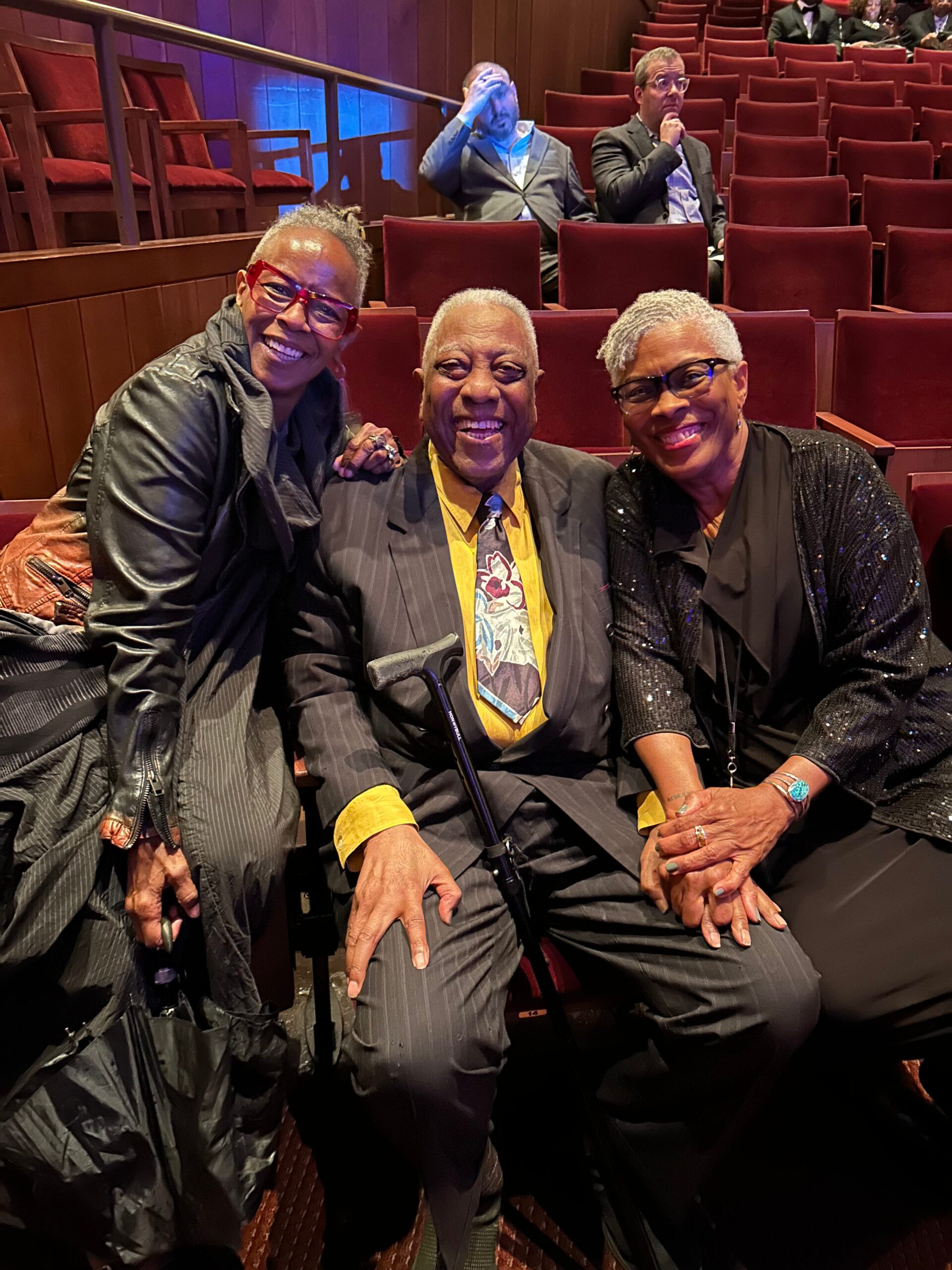
Woodie King Jr., a trailblazing figure in Black theater, has passed away at the age of 88. King, who was born in 1935 in Detroit, was the founder of the New Federal Theatre, a platform that significantly contributed to the representation of Black artists in American theater. His death marks the end of an era for a man who transformed the landscape of performing arts.
King’s career spanned several decades, during which he played a crucial role in launching the careers of numerous prominent actors, including Denzel Washington. His impact on theater was not limited to producing and directing; he was also a mentor to many young artists, advocating for diversity and inclusion within the performing arts community.
In 1970, King established the New Federal Theatre in New York City, aiming to provide a space for Black playwrights and performers. Under his leadership, the theater produced over 100 plays, many of which were critically acclaimed. King’s commitment to showcasing the experiences and stories of the African American community earned him respect and recognition in the field.
Throughout his life, King received numerous accolades for his contributions to theater. He was recognized with awards from various organizations, including the American Theatre Wing, which awarded him for his excellence in directing and producing. His legacy is evident in the thriving community of Black artists who continue to draw inspiration from his work.
King’s influence extended beyond the stage. He was a passionate advocate for arts education and often spoke about the importance of representation in the arts. His efforts helped pave the way for future generations of Black artists, making the theater more inclusive and reflective of the diverse society in which we live.
The news of his passing has prompted tributes from across the artistic community, with many expressing their gratitude for his unwavering support and guidance. As the theater world mourns the loss of this visionary leader, his contributions will undoubtedly continue to resonate, inspiring future artists to pursue their dreams.
Woodie King Jr.’s legacy is a testament to the power of theater as a medium for change. His work not only entertained but also educated audiences about the rich tapestry of Black experiences, ensuring that these stories would be told for years to come.