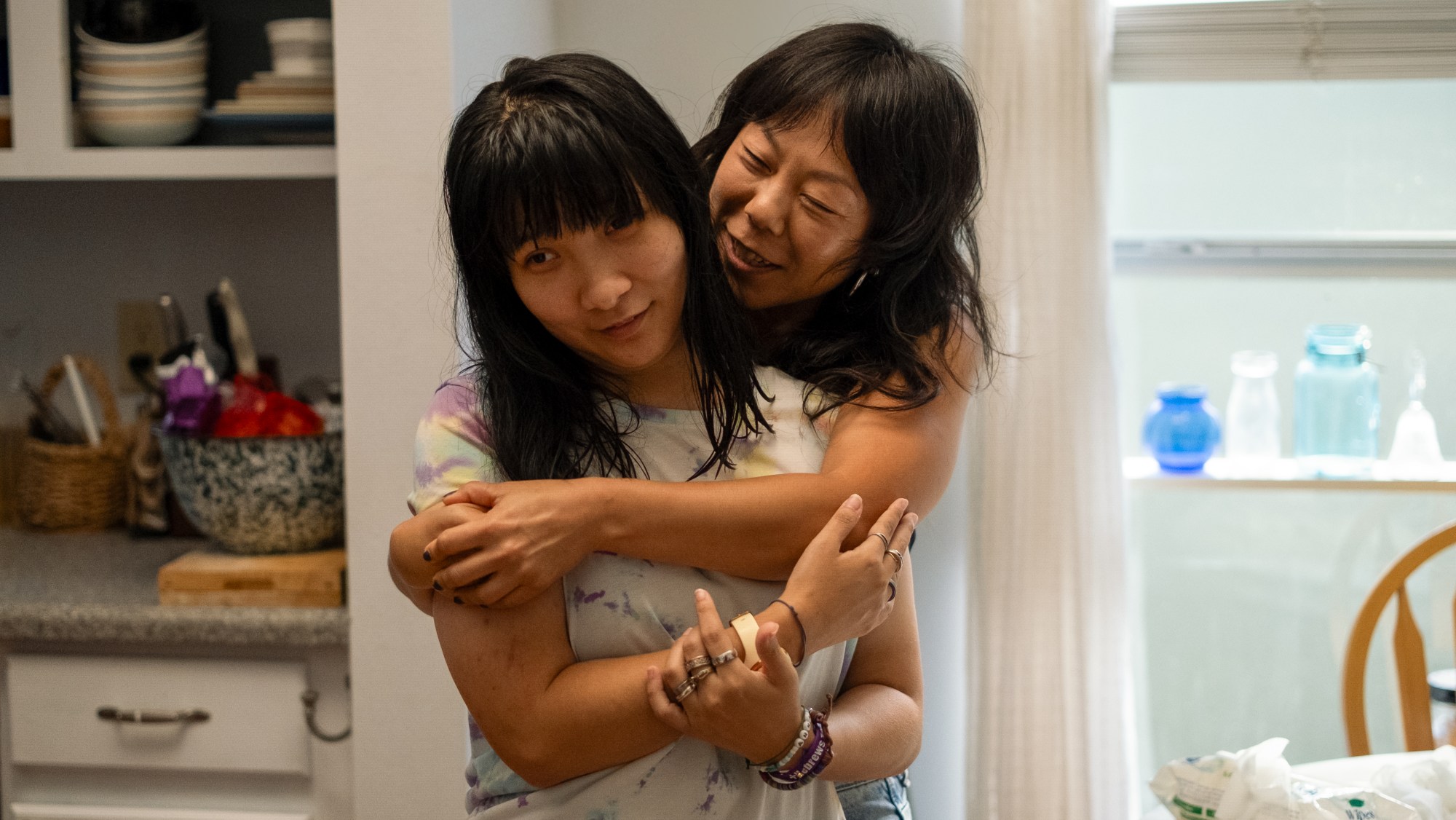
The film Take Me Home, directed by Liz Sargent, explores the complex dynamics of caregiving within a family grappling with cognitive disabilities. The story centers on Anna, a woman in her thirties who faces daily challenges due to her cognitive disability while living with her aging parents in suburban Florida. Sargent’s feature debut strikes a balance between dark realities and moments of levity, showcasing the nuanced experiences of those affected by the caregiving process.
Life in Suburbia
Anna’s life is marked by routine and familiarity, but even the smallest disruptions can create significant upheaval. The film opens with a glimpse into her world, where she navigates daily tasks alongside her retired parents, played by Victor Slezak and Marceline Hugot. Their home is filled with the mundane aspects of life—managing bills and insurance paperwork—set against the backdrop of Florida’s humid climate and the occasional power outage.
Anna’s character, portrayed by her sister, Anna Sargent, offers a heartfelt representation of the challenges faced by individuals with disabilities. As a Korean adoptee and disability advocate, she brings authenticity and depth to the role, demonstrating both childlike innocence and an acute awareness of her surroundings. The film expands on a successful short that won the top prize at the American Cinematheque’s Proof of Concept Film Festival in 2023.
The narrative is enriched by the interactions among the cast, who navigate the trials of caregiving with a mix of humor and sincerity. Despite the serious themes, the film avoids predictable exchanges, instead offering a refreshing take on the family dynamics involved in caregiving.
Family Dynamics and Realities
As the story unfolds, Anna’s sister, Emily, portrayed by Ali Ahn, returns home after a long absence. Initially depicted as a self-absorbed career woman, Emily’s character evolves as she confronts the stark realities of her family’s situation following the death of their mother. Ahn delivers a compelling performance, infusing her character with both vibrancy and the weight of responsibility.
The film poignantly addresses the challenges of planning for the future and the emotional toll it takes on family members. Emily’s attempts to discuss a structured caregiving plan with Anna and their father are met with resistance, highlighting the complexities of familial obligations and emotional ties. Slezak’s portrayal of Bob, Anna’s father, captures the frustration of cognitive decline, making the family’s struggles all the more relatable.
Through moments of humor, such as the characters navigating the kitchen together or debating what to watch on television, the film reveals the deep connections that exist amidst the chaos. The dialogue reflects the harsh realities of the American healthcare system, as demonstrated by a care facility manager’s comments about the convoluted nature of Medicare and Medicaid. This commentary, while critical, is woven seamlessly into the narrative rather than dominating it.
Visually, Take Me Home employs a cinematographic style that contrasts stark realities with moments of warmth and hope. The emotional claustrophobia of a nuclear family is balanced by the comfort of their shared experiences, emphasizing the significance of connection within the family unit. The film’s use of ellipses and dreamlike sequences adds depth, guiding viewers through Anna’s journey of self-discovery and engagement with the world.
Ultimately, Take Me Home is not just a story about caregiving; it is a celebration of resilience, compassion, and the small victories that define our lives. As Anna navigates her relationships and seeks independence, the film highlights the importance of community and understanding in addressing the challenges faced by those with disabilities. The music shared among the characters and the encouragement to dance serve as metaphors for the joy that can emerge even in difficult circumstances.