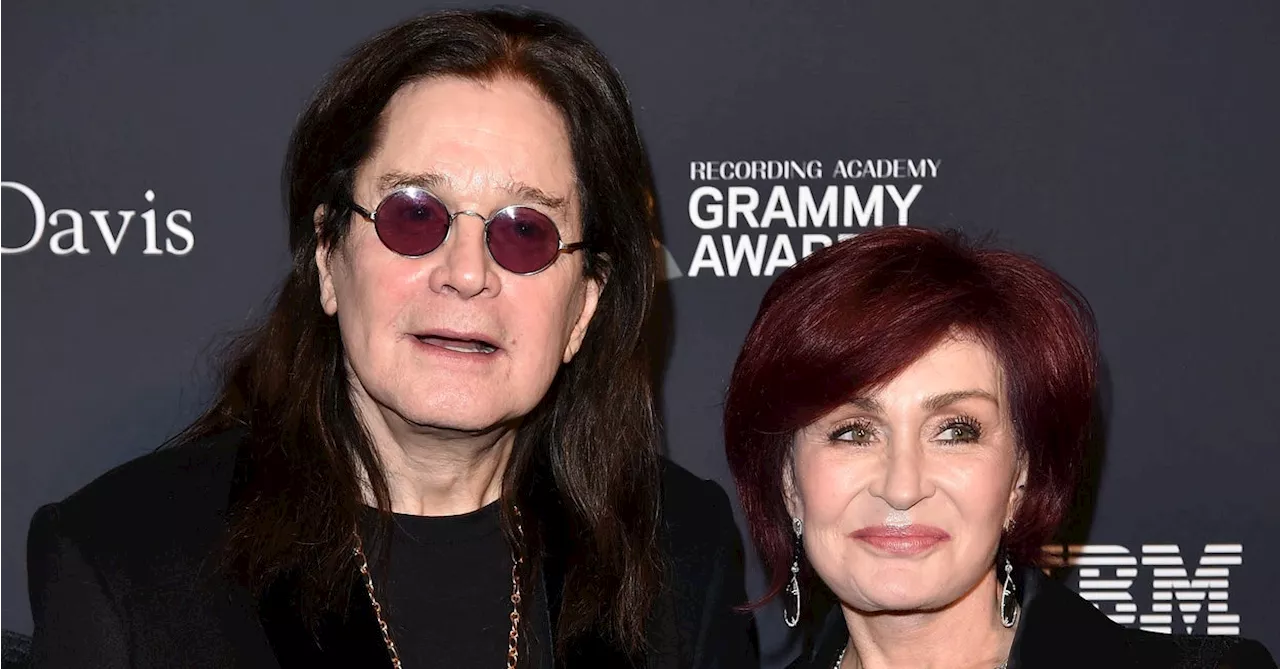
Sharon Osbourne has opened up about the assisted suicide pact she and her late husband, Ozzy Osbourne, had discussed in the years leading up to his death. In a recent interview, she revealed that they contemplated seeking help from the Swiss organization Dignitas if either of them faced a debilitating condition like dementia. “I would have just gone with Ozzy. Oh, yeah, definitely, I’ve done everything I wanted to do,” she stated, reflecting on their difficult conversations about death.
Despite their agreement, Sharon ultimately chose not to follow through on the pact. Her three children—Aimee, Kelly, and Jack—played a significant role in her decision. “They’ve been…unbelievably, just magnificent with me, all three of them,” she shared, emphasizing the support she received from her family during Ozzy’s illness.
Sharon also recounted a pivotal experience that influenced her choice against assisted suicide. “Years ago, when I had one of my mental breakdowns, I went into a little facility to help with my head,” she explained. During her time there, she met two young women whose mothers had committed suicide. Witnessing their emotional struggles profoundly affected Sharon, leading her to vow, “I will never, ever, ever do that to my kids.”
The discussion surrounding assisted suicide is complex and often contentious, but Sharon’s personal narrative highlights the emotional weight such decisions carry. She acknowledged the availability of resources for those in crisis, noting that the 988 Lifeline is accessible 24/7 for anyone in need of support.
In the same interview, Sharon also reflected on Ozzy’s final moments. She recalled a night when he called out to her, saying, “Wake up,” as he struggled with his health. The poignant memories underscore the deep bond they shared throughout their lives together.
Sharon Osbourne’s revelations about her assisted suicide pact with Ozzy have sparked conversations about the ethical and emotional dimensions of such choices. While she once considered the option, her family’s support and past experiences ultimately guided her decision to continue living for them.