Science fiction has long captured the imagination with its thrilling narratives and futuristic concepts. While many shows tend to prioritize storytelling over scientific accuracy, several series have made notable efforts to incorporate legitimate scientific principles into their plots. Here are seven instances where science fiction shows effectively balanced entertainment with credible science.
Battlestar Galactica’s Silent Space Battles
When *Battlestar Galactica* debuted 20 years ago, it distinguished itself from other sci-fi series by adhering to scientific realism. Unlike typical portrayals of space battles, which often feature explosive sound effects, *Battlestar Galactica* depicted conflicts in silence, accurately reflecting the vacuum of outer space where sound cannot travel. This artistic choice not only enhanced the dramatic effect but also showcased the show’s commitment to scientific integrity.
Newtonian Physics in The Expanse
In contrast to other series that rely on fictional technologies for space travel, *The Expanse* takes a more grounded approach by employing Newtonian physics. The spacecraft in this series utilize thrusters for maneuvering, adhering to the principle that “every action has an equal and opposite reaction.” Additionally, the show explores the challenges of heat management in space, highlighting the physical toll of space travel on the human body. Such attention to scientific detail has garnered acclaim from both audiences and experts alike.
Planetary Science in The Orville
*The Orville* challenges the conventional portrayal of alien worlds by meticulously researching various planetary environments. Rather than presenting extraterrestrial settings as mere copies of Earth, the series introduces unique challenges that impact the characters’ survival and health. This commitment to presenting realistic planetary conditions adds depth to the narrative, encouraging viewers to think critically about the possibilities of life beyond Earth.
Silo’s Engineering Foundations
Based on a series of books, *Silo* presents a society that has retreated underground due to a toxic atmosphere. The world-building in this series is grounded in real engineering principles, making the underground city feel plausible. From air circulation to waste management, the show integrates scientific concepts into its plot, enhancing the believability of its dystopian setting.
Star Trek: The Original Series’ Visionary Communicators
When *Star Trek: The Original Series* aired in 1966, its two-way communicators were a groundbreaking concept. The devices not only resembled the flip phones that became popular in the 1990s but also operated on similar radio-wave technology. The foresight displayed in the series extended to features like GPS, showcasing how science fiction can foreshadow real technological advancements.
Doctor Who and the Realities of Black Holes
While *Doctor Who* is often known for its whimsical storytelling, recent episodes have accurately portrayed the science of black holes. The show explores the effects of gravitational distortion and time dilation, particularly in episodes like “The Satan Pit.” By grounding its narratives in scientific fact, *Doctor Who* elevates its storytelling, making the fantastical elements feel more authentic.
Severance’s Neuroscientific Basis
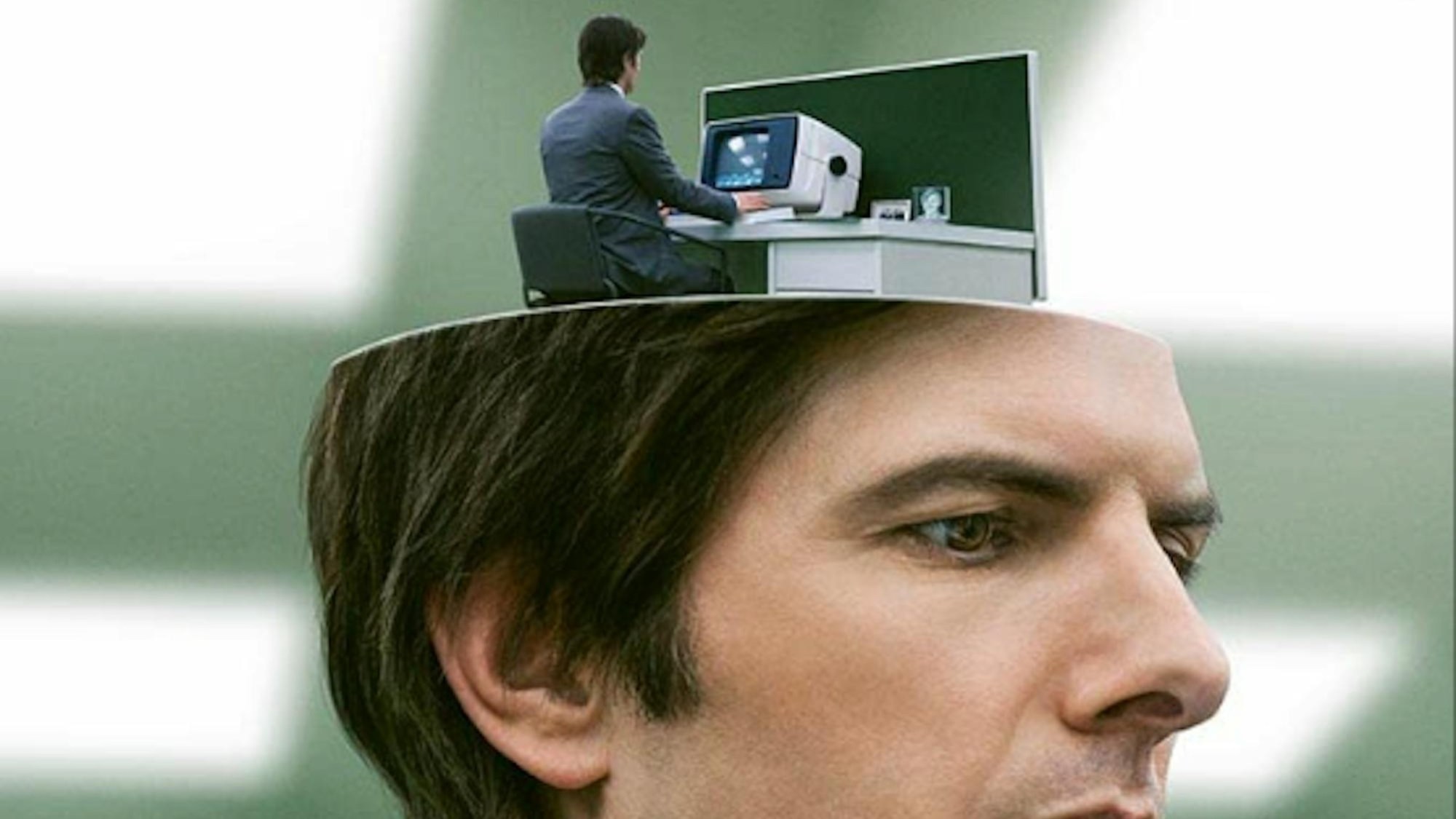
*Severance* presents a chilling premise where characters undergo a procedure that separates their work and personal memories, resembling conditions similar to Dissociative Identity Disorder. While the procedure is fictional, it draws from real neuroscientific research on memory compartmentalization. This connection to actual neuroscience heightens the psychological tension of the narrative, showcasing how fiction can explore complex human experiences.
These examples illustrate that while many science fiction shows prioritize storytelling, a select few effectively weave scientific principles into their narratives. By doing so, they not only entertain but also educate viewers about the fascinating possibilities of science and technology. As audiences engage with these narratives, they may find themselves inspired to explore the real science that underpins these imaginative stories.
For additional discussions on the intersection of science and science fiction, readers are encouraged to participate in forums like the ComicBook Forum.