Robert Kaplow, a former high school teacher from New Jersey, has achieved a remarkable milestone with his Oscar nomination for Best Original Screenplay for the film Blue Moon. Directed by Richard Linklater, the film stars Ethan Hawke as the iconic lyricist Lorenz Hart. Kaplow spent approximately 14 years crafting this script after discovering letters from a young woman addressed to Hart during an estate sale in New York.
The film is set during the opening-night party of the musical Oklahoma!, marking a significant moment as it was the first production by composer Richard Rodgers without Hart. Kaplow’s screenplay beautifully encapsulates the complex relationship between Rodgers and Hart, portraying them as both collaborators and friends navigating the challenges of their long creative partnership.
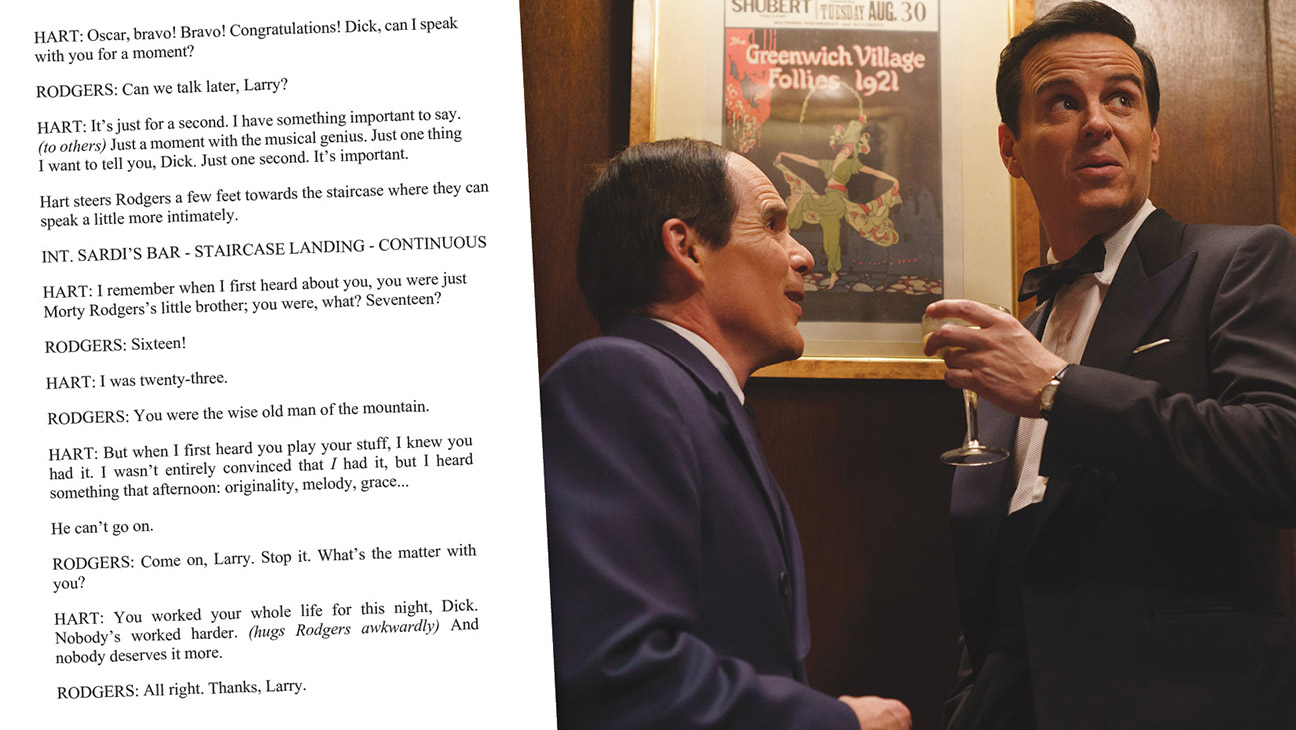
In discussing the screenplay, Kaplow noted, “The challenge of writing this staircase scene was to try to compress in a minute or two a 25-year creative partnership, a difficult creative partnership.” He emphasized the emotional depth of their bond, where love and exasperation intertwine, making their collaboration feel like “walking in an emotional minefield.”
Hawke’s portrayal of Hart has received critical acclaim, contributing to his own nomination for Best Actor. The character is portrayed as a deeply emotional figure, rich with charm and vulnerability. Kaplow remarked on Hawke’s unique ability to bring Hart to life, stating, “Ethan is a writer himself, and I always saw in him an actor who feels and even tastes language.” This synergy between actor and writer has resulted in a captivating depiction of Hart, whose passion for language is evident in his dialogue.
Reflecting on the screenplay’s emotional impact, Kaplow shared, “I’ve read this script a hundred times, and it still puts tears in my eyes.” He aimed to explore the emotional landscape of historical figures, much like he did in his previous collaboration with Linklater, Me and Orson Welles. He noted that while the historical facts suggest Hart attended the opening night of Oklahoma!, the afterparty scene is a product of his imagination, intended to highlight Hart’s bravery in remaining connected to the world of musical theater.
To develop Hart’s voice, Kaplow drew inspiration from the lyrics and emotional themes present in Hart’s songs. He explained, “I had to try to invent a voice you’d believe — that if you knew the songs, you’d say, ‘Yeah, this is the guy who could have written ‘My Funny Valentine.’” This creative process led him to a moment of inspiration, where he wrote extensively, allowing Hart’s character to emerge vividly on the page.
One of the poignant aspects of the script lies in the tension between Hart and Rodgers during the afterparty scene. As Kaplow describes, “Part of the tension of this scene is that Rodgers is on his way up the stairs to be celebrated and Hart isn’t.” This dynamic underscores the differing trajectories of their lives at this pivotal moment. At the conclusion of the scene, Hart descends the stairs, symbolizing a poignant farewell to his past and the end of an era.
Kaplow’s work on Blue Moon reflects a deep understanding of the emotional complexities in historic relationships, and his nomination serves as recognition of his dedication to storytelling. The film is set to resonate with audiences, providing a glimpse into the life of one of musical theater’s most talented yet troubled figures, all through the lens of Kaplow’s imaginative narrative.
This article originally appeared in the February 11, 2024 issue of The Hollywood Reporter.