In the recently released *28 Years Later: The Bone Temple*, director Nia DaCosta has opted for a nuanced approach in the return of a beloved character, Jim, played by Cillian Murphy. The film, a follow-up to last year’s franchise revival, concludes with a surprising twist that brings Jim back into the fold, but not in the grand manner typically associated with superhero films.
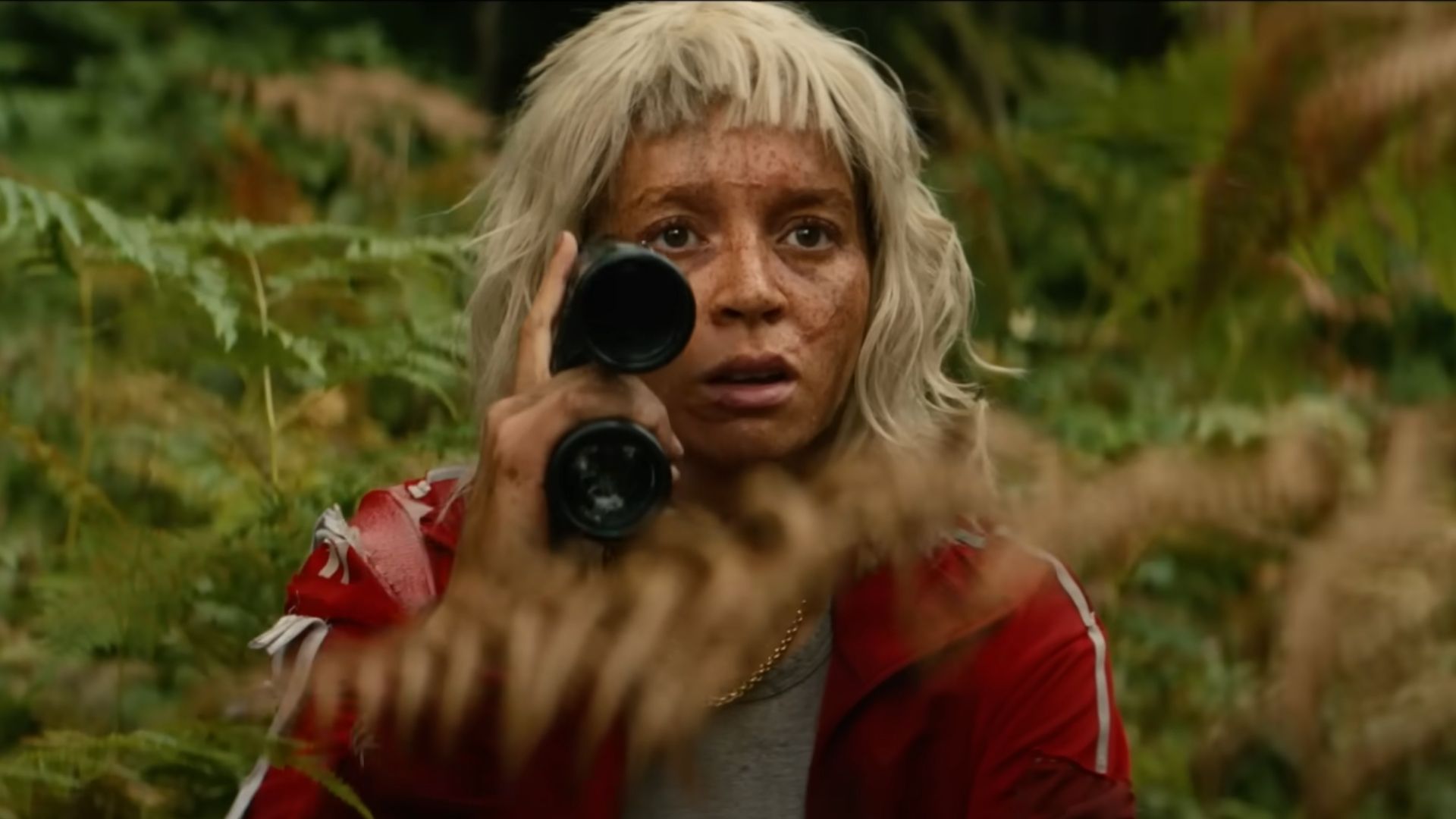
Following an intense escape from the villainous Jimmy Crystal, portrayed by Jack O’Connell, the narrative shifts to a familiar cottage not seen since *28 Days Later*. Jim, who has been living a quiet life in isolation, finds his peace disrupted by new characters Spike, played by Alfie Williams, and Jimmy Ink, portrayed by Erin Kellyman.
In an exclusive interview with GamesRadar+, DaCosta discussed her intentions behind Jim’s reintroduction. She emphasized that this moment should not be viewed as a dramatic return typical of franchise films. Instead, she aimed for a grounded portrayal. “Because it’s not a big ‘return of the superhero’ franchise moment,” DaCosta explained to Variety. “It’s the return of the bike messenger.”
DaCosta’s approach to Jim’s re-entry into the story reflects a conscious decision to avoid the fanfare often expected in legacy sequels. She noted that the film is set against a backdrop of franchises dominated by spectacle, such as the Marvel Cinematic Universe, which DaCosta has previously contributed to with *The Marvels*.
The decision to present Jim’s return in a subtle way aligns with the character’s journey. “The fact that Alex [Garland] wrote him teaching his daughter history, and that’s how he wanted to introduce him back into the story, I was like, ok, so that’s how we shoot it,” DaCosta elaborated. Her commitment to a more intimate moment rather than a bombastic reveal adds depth to the narrative.
As anticipation builds for the next chapter, which has been confirmed for release in 2025, the extent of Murphy’s involvement remains uncertain. The film’s careful handling of its characters suggests that DaCosta’s vision will continue to prioritize emotional authenticity over spectacle.
Fans and newcomers alike can expect a fresh take on the franchise, focusing on character development and storytelling rather than relying solely on nostalgia. As the franchise evolves, DaCosta’s direction promises to keep audiences engaged in a way that feels both familiar and innovative.