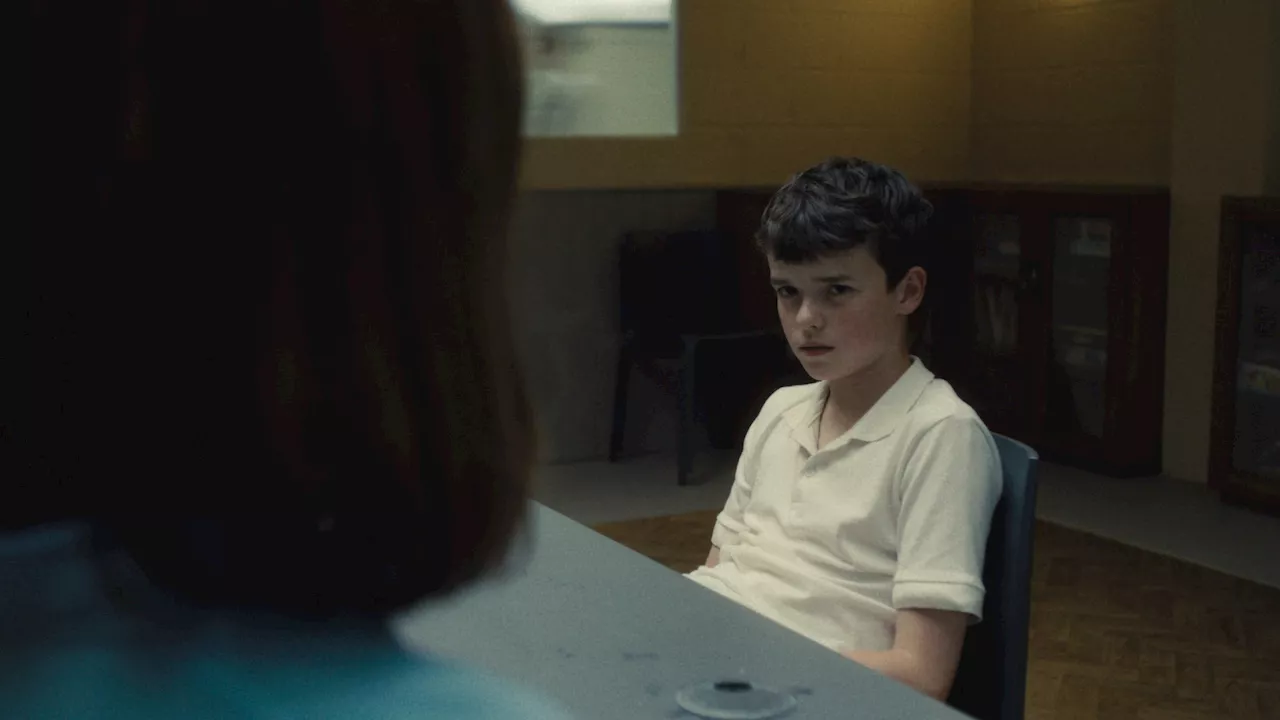
A big-budget science fiction film on Netflix, with a reported production cost of $320 million, recently failed to attract audiences, overshadowed by the impressive success of a thriller series that has rapidly become one of the platform’s most-watched shows. Despite a robust marketing campaign, the film received overwhelmingly negative reviews, while the thriller, which addresses contemporary issues such as online bullying and the influence of far-right ideologies, garnered critical acclaim and numerous awards.
The contrasting performances of these two productions highlight a significant shift in viewer preferences. While the science fiction film was designed to be a blockbuster spectacle, audiences have shown a distinct appetite for narratives that resonate with current societal challenges. The thriller series not only achieved record-breaking viewership but also sparked conversations around its poignant themes, demonstrating that quality storytelling can surpass the financial muscle of high-budget productions.
As of now, the thriller series has reportedly amassed millions of views within its first week of release, indicating a strong viewer engagement that the expensive film could not replicate. Critics have praised the series for its nuanced approach to sensitive topics, further enhancing its appeal among diverse audiences. In contrast, the science fiction film’s failure to connect with viewers serves as a cautionary tale for content creators about the importance of substance over spectacle.
Netflix’s decision to invest heavily in the science fiction genre reflects a broader trend in the entertainment industry, where substantial budgets do not guarantee success. The streaming giant has previously experienced both triumphs and flops, but the current situation underscores the necessity of aligning content with audience interests. This latest outcome could prompt Netflix to reassess its strategies, focusing more on innovative storytelling and less on high production values alone.
The performance of the thriller series is a reminder that audiences are increasingly drawn to stories that reflect real-world issues and foster meaningful discussions. As the streaming landscape becomes more competitive, understanding viewer preferences will be crucial for platforms like Netflix.
In conclusion, the juxtaposition of a $320 million science fiction film and a critically acclaimed thriller series reveals a significant shift in viewer expectations. The success of the thriller illustrates the potential for compelling narratives to resonate deeply, ultimately reshaping the landscape of modern entertainment. Netflix’s future endeavors may very well depend on their ability to adapt to these evolving trends.