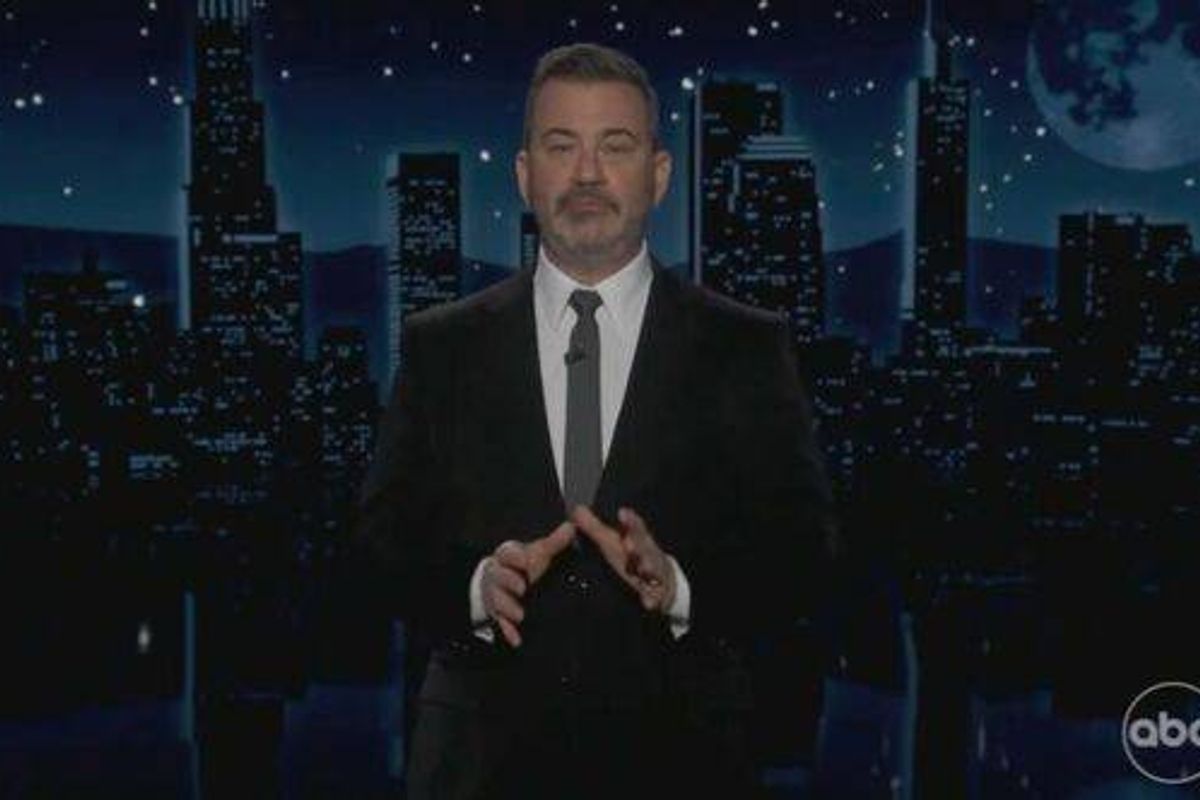
A humorous segment on “Jimmy Kimmel Live!” featured a tortilla resembling former President Donald Trump, sparking laughter and commentary from the host. During the episode on March 14, 2024, bandleader Cleto Escobedo III shared a lighthearted breakfast anecdote that took an unexpected turn.
Kimmel recounted receiving a text from Escobedo Senior, who had noticed a peculiar resemblance in his breakfast tortilla. Escobedo explained, “I started chomping on it, then I put it on the plate. I called my wife, Sylvia, and asked, ‘Who does this look like?’ She goes, ‘Trump.’ So I threw it away.” In response, Kimmel humorously remarked, “Some people find Jesus on a tortilla. You found the antichrist.” The segment included a photo of the half-eaten tortilla, which indeed bore a striking likeness to Trump’s distinctive features.
Escobedo confirmed he discarded the tortilla, stating, “It’s a mistake. You have to.” Kimmel continued the playful banter, calling Trump “our Gorditas Supreme Leader.” This comedic exchange highlighted Kimmel’s ongoing critiques of Trump, which he reinforced just a day earlier.
On the previous evening, Kimmel had criticized Trump’s involvement in media regulation, stating, “The president took time, from 6,000 miles away, to continue his war on talk shows.” He referenced Trump’s comments regarding the FCC and the potential challenges for programs like his and “The View” when interviewing politicians who do not align with their views. Kimmel added, “We are once again getting threatened by the FCC. I might need your help again.”
As the segment progressed, Kimmel marked the anniversary of Trump’s second inauguration by inviting him to the show. In a tongue-in-cheek manner, he declared, “FCC be damned. Unfortunately, his head was unavailable to talk, but we were able to book another part of his body. So please welcome President Trump’s badly bruised right hand.”
In a separate but related development, the FCC issued revised guidelines impacting major U.S. broadcast networks. These guidelines reference the Communications Act of 1934, specifically Section 315, which mandates that if one political candidate is given airtime, broadcasters must provide equal opportunities to all legally qualified contenders. This regulatory shift adds another layer to the ongoing discourse about media access and political representation.
Kimmel’s comedic take on current events, combined with the FCC’s guidance, reflects a dynamic intersection of entertainment and political discourse that continues to resonate with audiences.