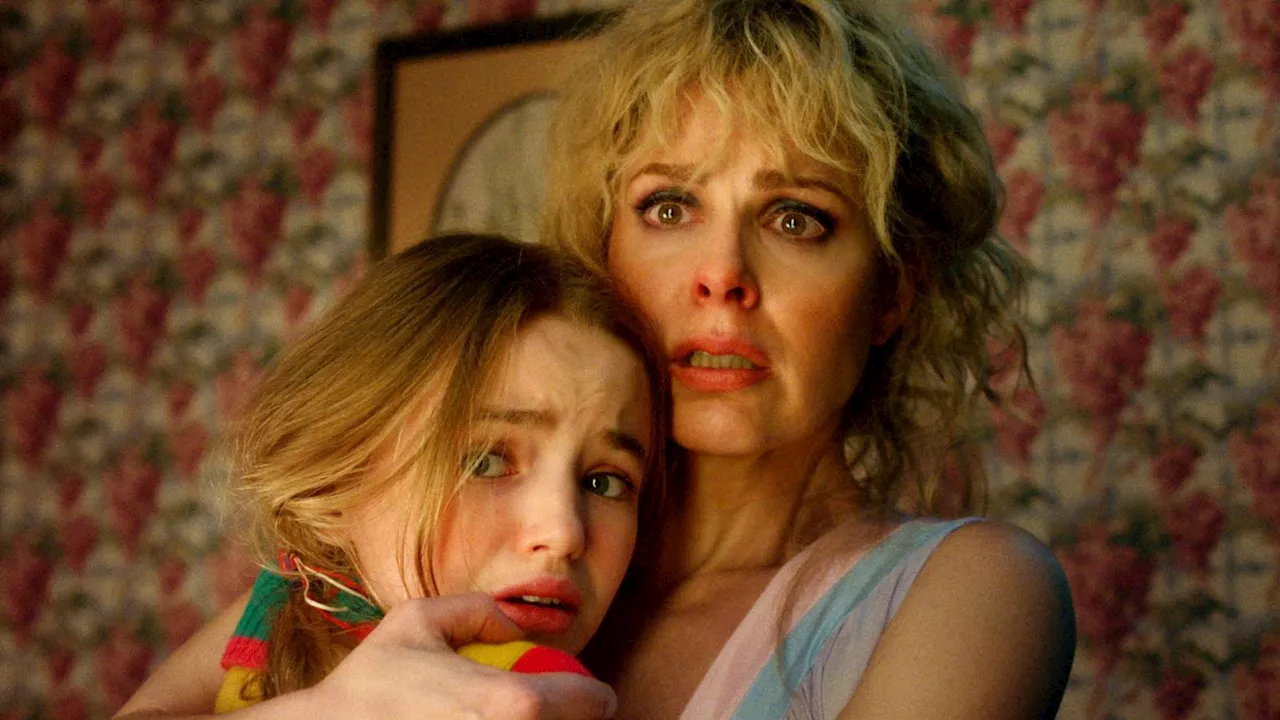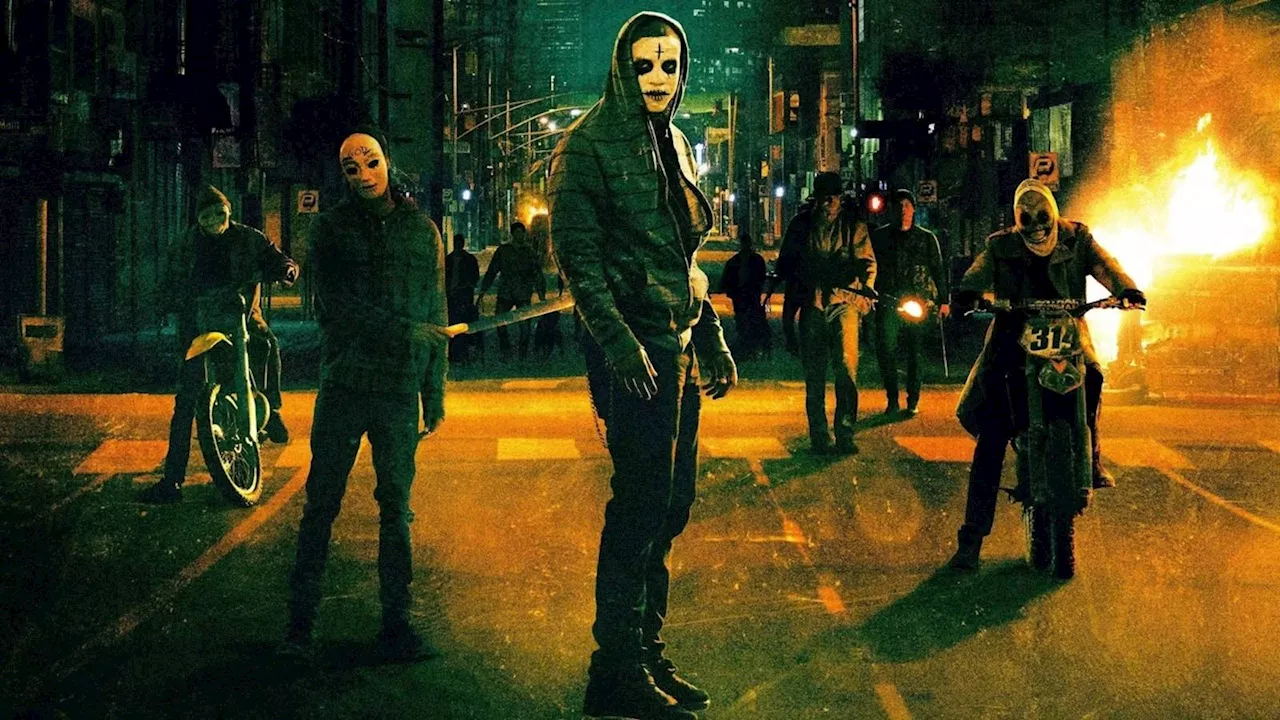
In the realm of modern horror, The Purge: Anarchy stands out as a pivotal installment that both elevated and complicated its franchise. Released on July 18, 2014, the film built upon the foundation laid by the original The Purge, which had already established a strong following for Blumhouse Productions. While it introduced thrilling new elements, it also initiated a pattern that would lead to a sense of stagnation in the series.
The initial film, released in 2013, was a sleeper hit, effectively showcasing Blumhouse’s knack for producing engaging horror content. Its clever premise, centered around a night where all crime is legal, captivated audiences. Following this success, The Purge: Anarchy emerged as a natural progression, expanding the narrative scope and offering a more action-oriented experience.
Success and Influence of “Anarchy”
One of the most striking aspects of Anarchy is its ability to deliver a satisfying continuation of the story. Rushed sequels often struggle with originality, but this film broke that mold. Instead of rehashing the original’s themes, it introduced deeper political undertones and escalated the tension by shifting the action from private homes to the chaotic streets.
The film not only increased the scale of horror and suspense but also transformed the franchise’s approach. While the original film hinted at the manipulations of the New Founding Fathers, Anarchy fully realized this concept, bringing it to life in a gripping way. Critics noted that the sequel traded suspense for spectacle, an effective shift that set a new standard for future installments.
This blueprint has since influenced all subsequent films, as they have largely adopted the action-focused narrative introduced by Anarchy. Despite varying critical reception, these sequels have continued to draw audiences, demonstrating the lasting impact of the second film on the franchise’s identity.
The Repetitive Nature of the Franchise
While The Purge: Anarchy is credited with revitalizing the series, it inadvertently established a formula that has led to a sense of monotony in later films. The transition from the home invasion scenario to broader street action became a recurring theme, most notably seen in The Purge: Election Year and the prequel The First Purge.
Though these films attempt to incorporate social commentary, the messages often feel superficial, lacking depth. The focus on survival during the titular night remains constant, but without innovative storytelling, the narrative risks becoming stale. While elements of originality appear in later films, they are frequently overshadowed by adherence to the established Anarchy structure.
The most recent installment, The Forever Purge, aims to push the boundaries of the franchise once more. However, its performance at the box office suggests that the audience may be losing interest in a formula that has not evolved significantly since Anarchy.
Future of the Franchise
Despite the challenges faced by the franchise, the financial success of The Purge films cannot be overlooked. Even the lowest-grossing entries have turned a profit, a testament to the franchise’s marketability. As Hollywood grapples with fluctuating box office returns, the potential for a new installment remains strong.
A return to the franchise’s roots, with a more intimate or character-driven narrative, could reinvigorate interest and creativity. With production costs that often remain under $10 million, a smaller project could yield significant returns and reconnect with the audience’s initial excitement.
In conclusion, while The Purge: Anarchy is celebrated for its contributions to the franchise, it also serves as a reminder of the importance of innovation in storytelling. The path forward for The Purge lies in the ability to break free from established formulas and explore new narratives that resonate with contemporary audiences.