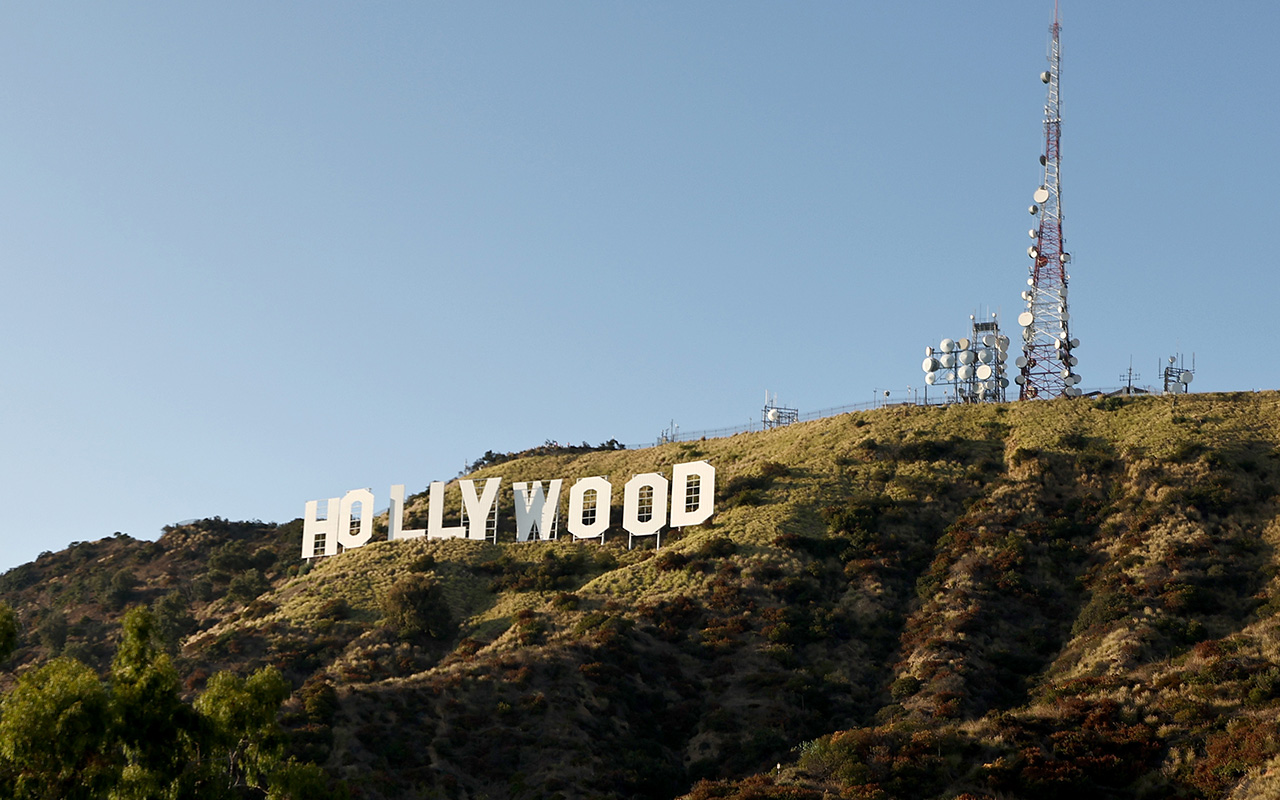
Hollywood unions are scheduling critical bargaining dates as they prepare to address significant concerns regarding artificial intelligence and health coverage in upcoming negotiations. The SAG-AFTRA union has announced that its representatives will meet with the Alliance of Motion Picture and Television Producers (AMPTP) starting on February 9, 2024, with discussions expected to continue until March 6, 2024. Following this, the Writers Guild of America (WGA) will commence its negotiations on March 16, 2024, ahead of a contract expiration on May 1, 2024.
The Directors Guild of America (DGA) will begin its talks shortly afterward, on May 11, 2024, with both the DGA and SAG-AFTRA contracts set to expire on June 30, 2024. If SAG-AFTRA does not reach an agreement before the WGA discussions begin, there will still be an opportunity to resume talks in June prior to the contract expirations.
These negotiations mark the first major bargaining since the writers’ and actors’ strikes of 2023. The unions are expected to revisit key issues that fueled those work stoppages, particularly the influence of AI and the distribution of residuals from streaming services. Traditionally, the DGA leads the negotiation process, establishing patterns for the other unions. However, this dynamic shifted significantly in the last cycle, leading to uncertainty about whether it will return.
The entertainment industry has faced substantial challenges in recent years, particularly in Los Angeles. Union leaders have expressed the need to focus on measures that could enhance job opportunities for their members while also being cautious not to disrupt the ongoing recovery in production activities. In a message to members, SAG-AFTRA emphasized the importance of beginning negotiations early to allow ample time for discussions and to support the “nascent but much-needed resurgence in domestic production activity.”
The slowdown in production has also placed additional pressure on industry health plans, potentially prompting negotiators to explore adjustments to benefit structures. The AMPTP has taken preliminary steps on this front, recently publishing a five-page report highlighting the relatively generous health coverage enjoyed by guild members. The report indicates that compared to other large employer-based plans, members of the DGA, WGA, and SAG-AFTRA benefit from lower premiums, lower deductibles, and reduced out-of-pocket maximums.
Additionally, the AMPTP has suggested the possibility of extending contracts from the usual three years to five years, indicating a willingness to offer a premium for a longer period of labor peace. The unions are likely to renew their efforts to safeguard members against the encroachment of AI technology. In 2023, writers and actors sought protections to prevent their work from being used to train AI systems. While they achieved various AI-related safeguards, they did not secure restrictions against training.
Concerns about AI have intensified following Disney’s recent agreement with OpenAI, which includes the use of Disney characters in Sora 2. This deal has raised alarms within the unions regarding the implications for their members’ work.
Both the unions and the AMPTP have refrained from commenting on the specific bargaining dates, but the upcoming negotiations are poised to be pivotal in shaping the future of labor relations within Hollywood. As the industry navigates these complex issues, the outcomes of these discussions may have lasting impacts on both the workforce and the broader entertainment landscape.