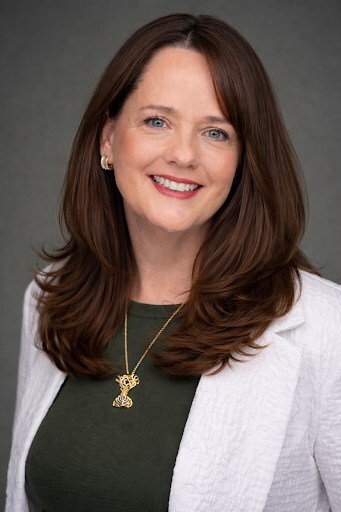
On January 26, 2026, healthcare expert Kim McKenna of One Cross Community Health in Cambellsville, KY, provided valuable insights into what families can expect during their initial primary care and pediatric visits. In an article by HelloNation, McKenna outlines the key components of these appointments, emphasizing their role in establishing trust and setting the stage for ongoing healthcare.
Understanding the First Visit
The first visits typically start with a comprehensive review of health history. This involves gathering information about prior medical issues, current health concerns, medication, and family health conditions. For adults, this process can reveal long-term health patterns, while for children, it establishes a baseline that supports future wellness visits and ongoing care.
A significant focus during these appointments is on listening and communication. Healthcare providers prioritize understanding what matters most to each patient or parent, which is critical in shaping a tailored care plan. Open dialogue enhances the likelihood of positive health outcomes and fosters confidence in the provider-patient relationship.
Components of the Appointment
A physical examination is a standard part of both adult and pediatric visits. For adults, this may include taking vital signs and discussing necessary screenings. Pediatric exams are designed to be age-appropriate and ensure comfort. During these visits, healthcare professionals often check developmental milestones, which are essential for tracking progress and guiding supportive care.
Vaccinations also play a crucial role in pediatric visits. Providers discuss recommended immunization schedules, answer parents’ questions, and explain how vaccines contribute to the child’s overall health plan. This aspect underscores the importance of protection and informed decision-making for parents.
For adult patients, preventive care is highlighted. This includes early screenings, discussions about lifestyle choices, and potential lab work to support long-term health. The article stresses the importance of a personalized approach, ensuring that care aligns with each patient’s individual health goals and needs.
Families seeking pediatric care benefit from educational guidance as well. Providers offer insights on what to expect as children develop, including advice on sleep, nutrition, and behavior. This educational support helps parents feel more prepared and confident in managing their children’s health between visits.
The article notes that first appointments are generally longer than subsequent ones, allowing ample time for questions and reducing anxiety. Whether addressing vaccination concerns or developing a care plan, the emphasis remains on clear communication and building a solid patient-provider relationship.
Creating a welcoming environment is fundamental to the process. From the front desk to the examination room, the family-focused clinic aims to cultivate comfort and approachability. This supportive atmosphere helps patients feel valued and understood.
Before concluding the visit, providers often schedule follow-up appointments and ongoing care, which establishes clear expectations and ensures continuity. The information gathered during the first visit forms the foundation for future healthcare decisions.
The insights shared by Kim McKenna in HelloNation highlight the importance of early healthcare experiences. By fostering a positive and supportive environment, healthcare providers contribute to reducing fear for children and empowering adults to manage their health proactively.
About HelloNation: Established as a premier media platform, HelloNation connects readers with trusted professionals and businesses across various sectors. Through its innovative approach to blending educational content with storytelling, HelloNation delivers expert-driven articles that inform, inspire, and empower. Covering a wide range of topics from health and business strategy to lifestyle and home improvement, HelloNation showcases leaders who are making a significant impact in their communities.