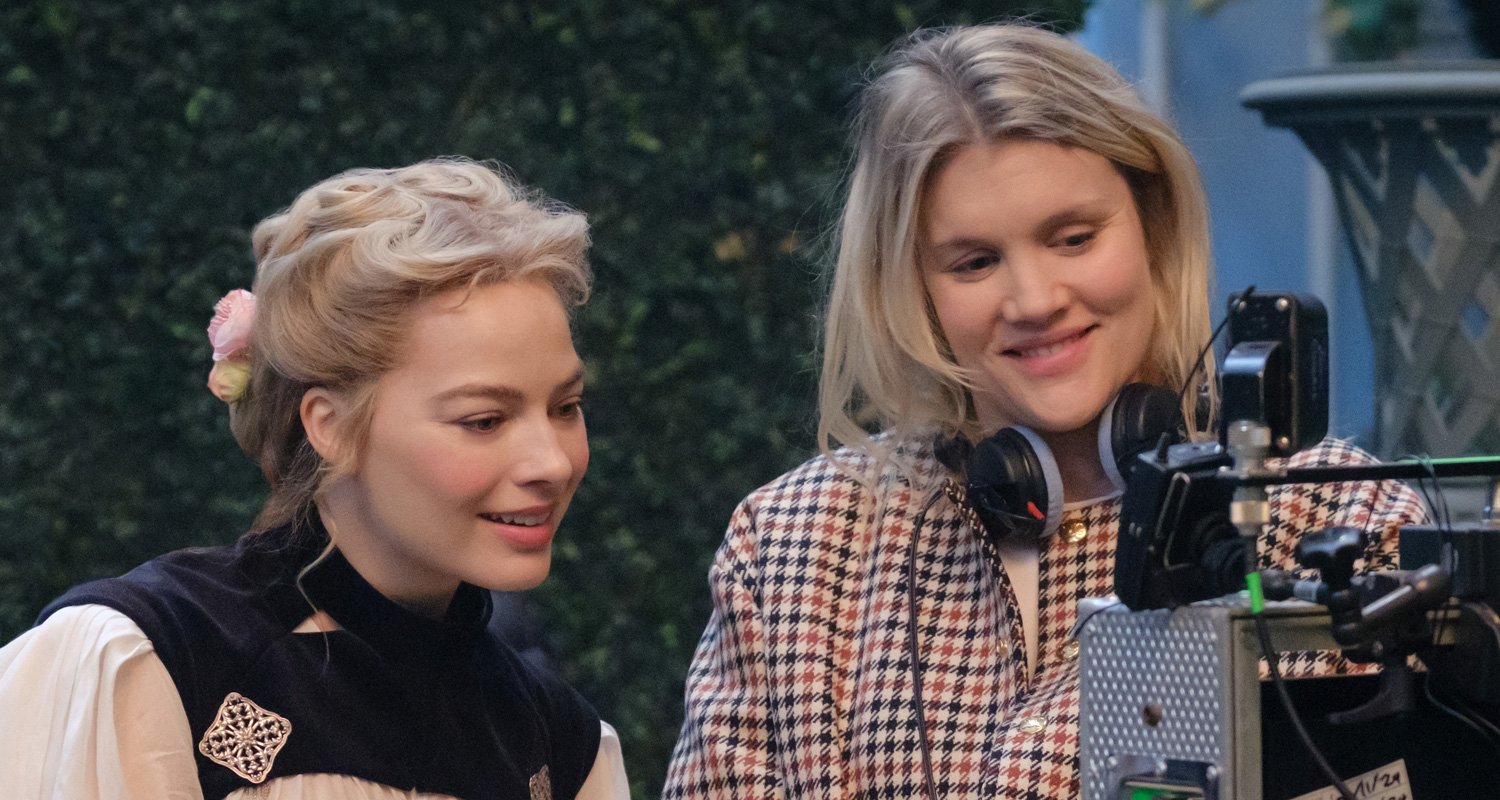
Emerald Fennell, the acclaimed director and writer, has revealed the significant changes she made in adapting Wuthering Heights for her new film. In an interview with Entertainment Weekly, Fennell discussed her approach to transforming the classic novel into a contemporary cinematic experience. The changes she implemented have sparked considerable debate among fans and critics alike.
In her discussion, Fennell emphasized the importance of personal interpretation over a strict adherence to the source material. “It was funny, you know, I think the things that I remembered were both real and not real,” she stated, reflecting on her own memories of the novel. “So there was a certain amount of wish fulfillment in there, and there were whole characters that I’d sort of forgotten or consolidated.”
Adapting a Classic
Fennell’s vision for the film centered on capturing the essence of the story rather than reproducing every detail from the book. She acknowledged the challenge of focusing primarily on the first half of the narrative, necessitating “hard decisions” about which characters and plot points to include. “When you look at not just other movie adaptations of this, but Kate Bush‘s song, or Balthus‘ lithographs, or a lot of the kind of contemporary illustrations, most of them tend to focus on Cathy and Heathcliff,” she explained. “Because I think that’s really the moment that draws to an end in the book.”
Fennell’s objective was to create a film that reflects her personal response to the novel. She expressed a desire to explore the full depth of the story, stating, “I would do a mini-series and encompass the whole thing over 10 hours, and it would be beautiful. But if you’re making a movie, and you’ve got to be fairly tight, you’ve got to make those kinds of hard decisions.”
Critics have begun to weigh in on her adaptation, and early feedback highlights both the bold choices and the emotional depth that Fennell aimed to achieve. As audiences anticipate the film’s release, discussions around its interpretation of Emily Brontë’s work are likely to continue.
Fennell’s adaptation of Wuthering Heights represents a contemporary take on a timeless story, blending her unique vision with the classic themes of love and betrayal. As the film prepares to hit theaters, viewers are left curious about how these changes will resonate in the context of Brontë’s original narrative.