Connecticut’s regional theaters are showcasing distinct approaches to casting their productions, with stories emerging from each organization that reveal the blend of formal processes and unexpected connections. This dynamic is evident in the experiences of three prominent theaters in the state: TheaterWorks Hartford, Hartford Stage, and Goodspeed Musicals.
Creative Casting Processes Unfold
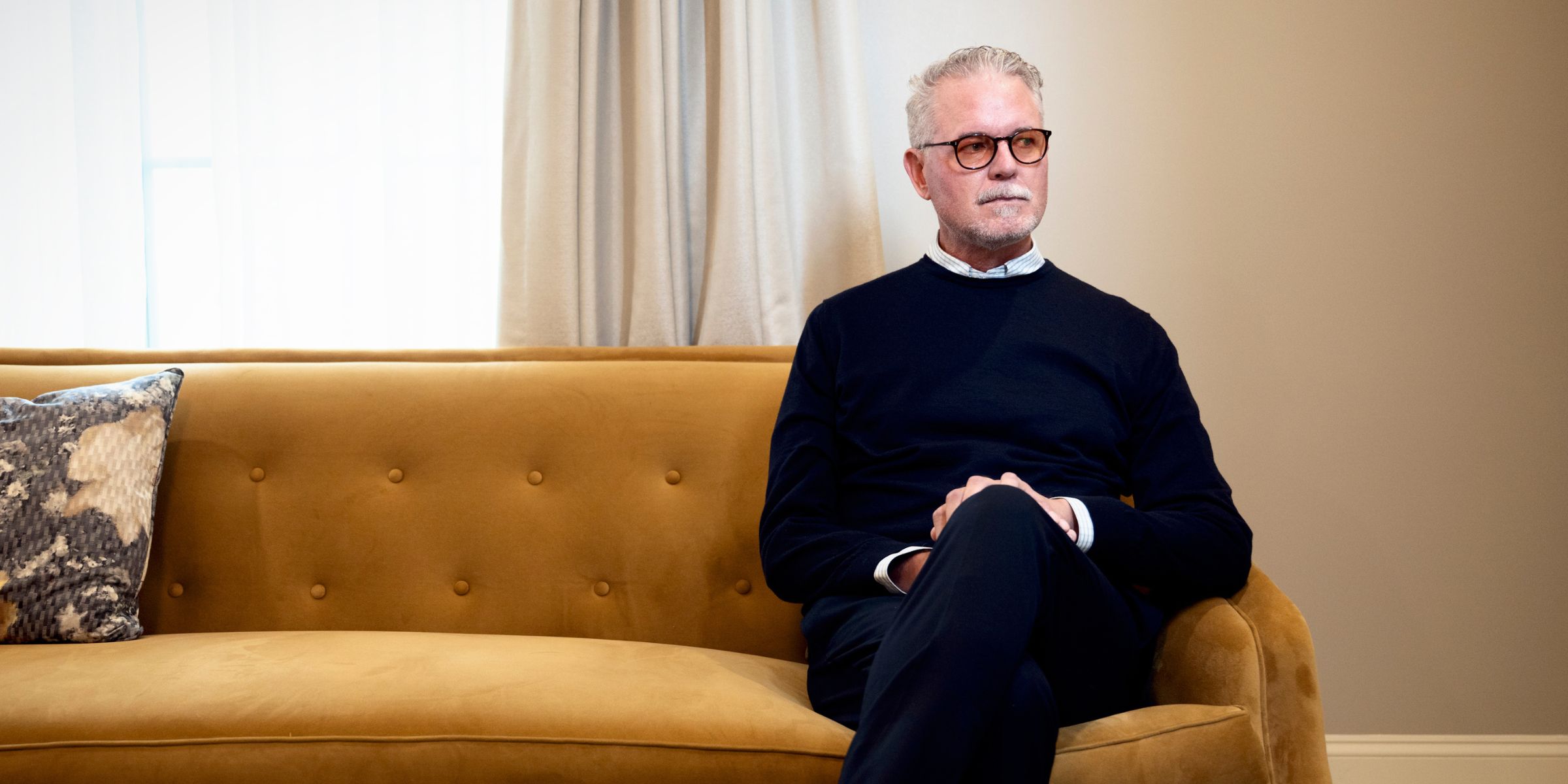
For TheaterWorks Hartford, the journey to cast the breakfast diner drama The Counter involved a series of informal readings and decisions influenced by relationships. The theater sought to collaborate again with actor Tim DeKay, who previously starred in the successful production of Fever Dreams. Initially uncertain about the role, DeKay participated in a reading where he was joined by Justis Bolding, a newcomer to the Hartford area, and Erika Rolfsrud, a familiar face with a long history at the theater.
The reading proved fruitful, leading to the scheduling of The Counter for the 2025-26 season. Bolding impressed the team so much that she was offered a lead role in the full production, while Rolfsrud was invited back to celebrate TheaterWorks Hartford’s milestone 40th anniversary. The play premiered on February 12, 2025, receiving critical acclaim and prompting an extension of its run until March 22, 2025.
Meanwhile, Hartford Stage prepared for its much-anticipated production of Death of a Salesman, directed by Melia Bensussen. Bensussen reached out to actor Peter Jacobson, a former classmate from their time at Brown University, to take on the role of Willy Loman. Jacobson’s extensive experience, including a notable role in the series House, combined with his connection to Bensussen, made him a natural fit for the character.
For Loman’s wife Linda, Bensussen enlisted Adrianne Krstansky, someone she had frequently collaborated with in the past. This familiarity allowed for a smoother rehearsal process, although some cast members were newcomers, selected through open call auditions.
The Role of Auditions and Equity Guidelines
The casting landscape in Connecticut also includes rigorous audition processes. Open auditions, known as Equity Principal Auditions (EPAs), are a critical aspect of regional theater. Zoe Golub-Sass, associate artistic director at Hartford Stage, explained that casting varies significantly from show to show. For instance, her production of 2.5 Minute Ride featured an actor she had previously worked with, while the lead for Hurricane Diane was cast based on a Zoom audition.
At Goodspeed Musicals, the scale of auditions can be extensive, with Adam Souza, the music director, noting that the theater sees approximately 1,500 auditions each season. The Equity Chorus Call (ECC) specifically seeks performers for chorus roles, which can attract hundreds of applicants for a single show.
Even when a theater has a specific actor in mind, auditions remain essential for compliance with equity guidelines and to prepare for any last-minute changes. Casting directors often play a vital role throughout the process, maintaining long-standing relationships with theaters and ensuring that a wide range of talent is considered.
As Souza mentioned, “The union requires us to do these calls, but they can be the most fun days.” The evolving audition process now frequently includes video submissions, though live auditions are still valued for their immediacy.
Connecticut theaters also prioritize local talent, as demonstrated by TheaterWorks Hartford’s decision to cast the real-life inspired piece Circus Fire entirely with local actors. Artistic director Rob Ruggiero stated, “We wanted to honor our connection to this community.”
The interconnectedness of casting decisions means that actors may be considered for various roles across different shows throughout the season, which benefits both the theaters and the performers.
Directors’ Influence on Casting Choices
Directors hold significant influence over casting, often shaping the ensemble through their unique approaches. Ruggiero noted that while artistic directors may suggest actors, the final decisions typically rest with the director of each show. This flexibility allows directors to build a cast that complements their vision.
The casting process also factors in the interpersonal dynamics among cast members, particularly at Goodspeed, where actors are housed together for extended periods. Souza emphasized the importance of ensuring a harmonious environment: “You’ve got to come and live with us for three months.”
The weight placed on performers has increased, especially in musicals where versatility is key. Souza remarked that performers must be “true triple threats,” capable of acting, singing, and dancing.
As the season progresses, theaters continuously adapt their processes to meet the needs of each production. New works may present unique challenges, as auditions for shows like the world premiere of The Snow Goose require performers to interpret material they may not be familiar with.
Ultimately, the casting journey in Connecticut theaters is a complex blend of formal protocols and personal connections. As Ruggiero succinctly put it, “Everything happens for a reason. The universe usually has a way of working it out.”