In recent months, several high-profile celebrities have spoken out against sexism, transphobia, and other forms of discrimination, turning their platforms into vehicles for social change. This trend has seen artists and actors publicly confront controversial figures and institutions, aiming to raise awareness and challenge harmful narratives.
Sabrina Carpenter recently criticized the White House for using her song “Juno” in a video associated with the U.S. Immigration and Customs Enforcement (ICE). The video featured clips of anti-ICE protests synchronized to the song’s lyrics, which Carpenter described as “evil and disgusting.” She firmly stated, “Do not ever involve me or my music to benefit your inhumane agenda.”
Similarly, Olivia Rodrigo denounced the Department of Homeland Security for posting a video set to her song “all-american bitch,” which encouraged self-deportation. Following the video’s release, she declared, “Don’t ever use my songs to promote your racist, hateful propaganda.” The department later responded, urging Rodrigo to thank federal law enforcement for their service instead.
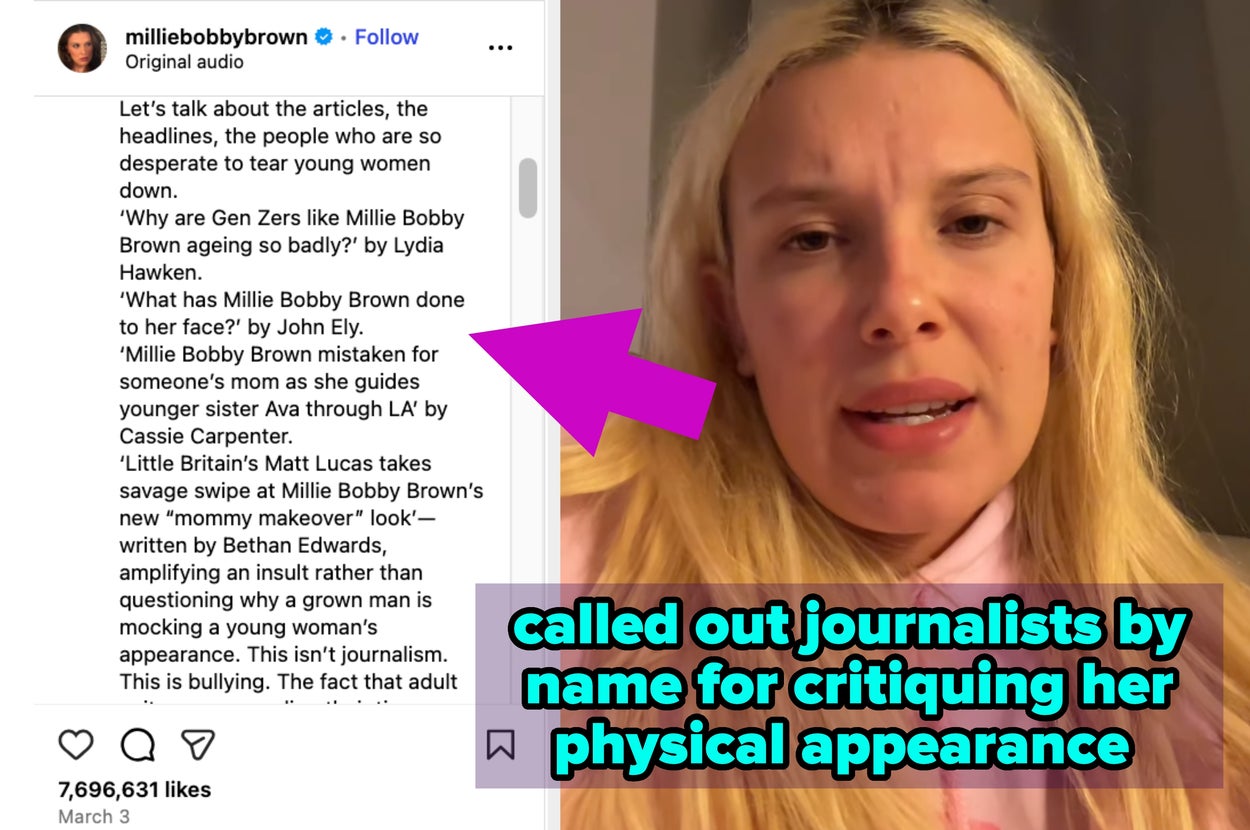
In January 2025, Millie Bobby Brown used her social media platform to address journalists who criticized her physical appearance. “This isn’t journalism. This is bullying,” she asserted, condemning the scrutiny she faced as she matured from her role in “Stranger Things.” Brown highlighted specific articles that perpetuated harmful standards for young women, insisting on the importance of supporting girls as they grow up.
Calling out the music industry, Hayley Williams targeted country singer Morgan Wallen for his past racist remarks. During an interview, Williams openly stated, “I’m always talking about Morgan Wallen, I don’t give a shit,” when discussing her song “Ego Death at a Bachelorette Party.” Wallen has faced backlash for using racially charged language, and Williams emphasized the need for accountability among artists.
In a similar vein, Maren Morris expressed her concerns over Wallen’s behavior and the lack of consequences for him and others in the industry. She tweeted, “We keep them rich and protected at all costs with no recourse,” highlighting the disparity in how male and female artists are treated. Morris faced threats for her activism, which she discussed on Sophia Bush‘s podcast, “Work in Progress.”
Morris has also taken a stand against anti-trans comments made by Brittany Aldean, wife of singer Jason Aldean. Referring to Brittany as “Insurrection Barbie,” Morris criticized her misinformation on gender-affirming care. In response, Brittany promoted a t-shirt campaign with proceeds aimed at combating child exploitation, further polarizing the conversation.
The entertainment industry has also seen vocal opposition to historical grievances. Samantha Ware confronted Lea Michele on social media, citing “traumatic microaggressions” experienced while filming “Glee.” Michele’s past comments about Black Lives Matter were met with skepticism by Ware, who recalled a negative experience with Michele during their time on set.
In 2021, Lucy Liu addressed the “inexcusable and unacceptable” treatment she received from co-star Bill Murray during the filming of “Charlie’s Angels.” Liu highlighted the sexist media narratives that emerged at the time, which often painted her as the instigator of conflict.
Another notable figure, Nicole Kidman, confronted a “sexist” question posed during a promotional interview for “Being the Ricardos.” When asked if her comments about relationship complexities related to her marriage with Tom Cruise, Kidman pointed out the double standards in how men and women are interviewed, asserting her right to speak on her own terms.
The discourse around body image and health has also been tackled by celebrities. In 2022, Lili Reinhart criticized Kim Kardashian for discussing her weight loss to fit into a vintage dress for the Met Gala. Reinhart urged her followers to be wary of harmful messages perpetuated by public figures regarding diet culture.
Rihanna made headlines in 2018 when she demanded that her music be removed from Donald Trump’s rallies. After her song “Don’t Stop the Music” was played at a campaign event, Rihanna’s team issued a cease-and-desist letter, emphasizing her disapproval of the Trump administration.
In 2016, America Ferrera spoke out against her former manager’s limiting beliefs about her career potential, recounting how he encouraged her to pursue roles that aligned with stereotypes rather than her capabilities.
More recently, Rebel Wilson revealed her experience with alleged harassment from actor Sacha Baron Cohen, describing how he threatened her over a chapter in her memoir. Wilson detailed the need for accountability in Hollywood, emphasizing the importance of speaking out against inappropriate behavior.
The Harry Potter franchise has not been exempt from controversy surrounding its creator, J.K. Rowling. The franchise’s leading actors, including Daniel Radcliffe, Emma Watson, and Rupert Grint, have publicly condemned Rowling’s transphobic remarks. Radcliffe stated, “Transgender women are women,” reinforcing the need for respect and dignity for all individuals.
These instances demonstrate the growing trend of celebrities using their platforms to challenge societal norms and advocate for change. As public figures continue to address issues of sexism, racism, and discrimination, their voices resonate with many, inspiring conversations that extend beyond entertainment into broader societal implications.