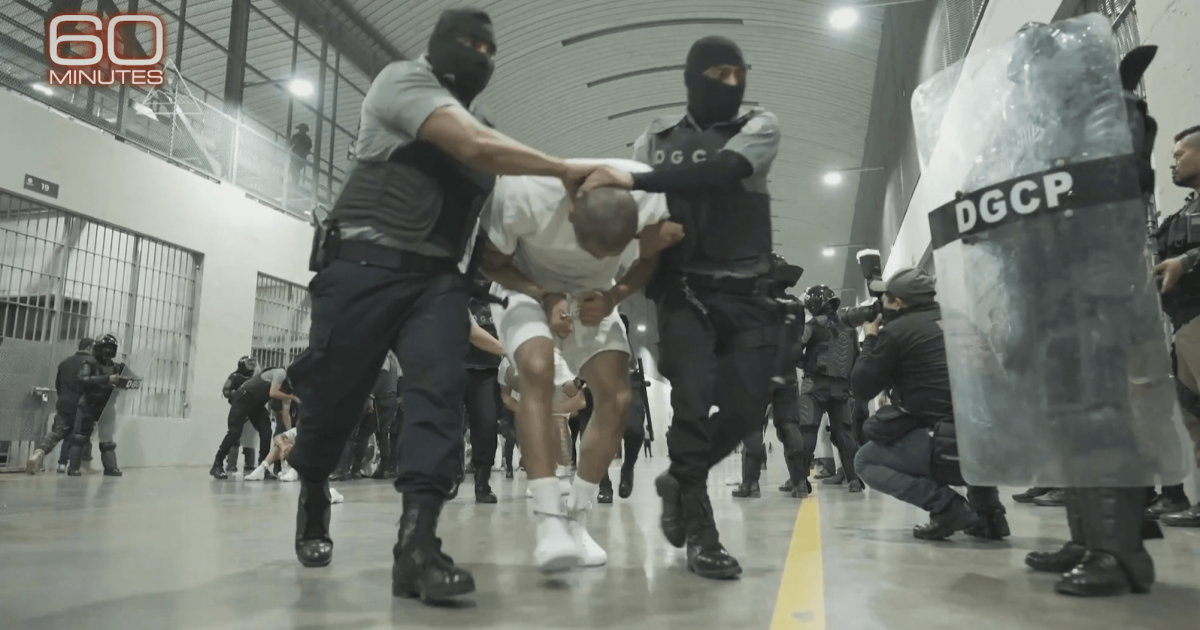
“60 Minutes” aired its long-delayed segment titled “Inside CECOT” on January 15, 2023, shedding light on the treatment of Venezuelan migrants deported to a notorious prison in El Salvador. The segment, which faced scrutiny and was initially pulled from airing just a day before its scheduled broadcast, has reignited discussions about editorial independence at CBS News under its new Editor-in-Chief, Bari Weiss.
The segment focused on the harsh conditions faced by detainees in the CECOT prison, which has been criticized for its brutal environment. The story was initially set to air on December 21, 2022, but was withheld by Weiss, who argued that it required further reporting, including a more substantial response from the White House. This decision drew backlash from Sharyn Alfonsi, the segment’s correspondent, who expressed concerns that the move was politically motivated in an internal email to colleagues.
Weiss’s appointment in October 2022 by David Ellison, Chief Executive of Paramount, has been interpreted by many within CBS News as an effort to maintain a favorable relationship with the Trump administration. This perception was heightened when the segment critical of the administration was pulled shortly after promotional efforts had begun. CBS News later stated that the segment would be aired once it was ready, affirming their commitment to editorial integrity.
In the version that aired, the segment featured three and a half minutes of additional information but did not include new interviews. The White House did provide statements, which Alfonsi read at both the beginning and the conclusion of the piece. Notably, the story included data regarding the number of undocumented migrants apprehended by Immigration and Customs Enforcement (ICE), alongside alarming personal accounts from prisoners.
One prisoner detailed the abuse he experienced in CECOT, revealing tattoos associated with the Aryan Brotherhood, a gang known for its white supremacist ideology. Despite this, the individual denied any gang affiliation and claimed ignorance of the tattoos’ significance, highlighting the complexities in how tattoos are used by the administration to classify undocumented migrants.
The decision to pull the segment became a significant topic of discussion within the media industry. Initially, Weiss downplayed the incident, referring to it as a “slow news week.” However, many insiders viewed the decision as a significant error, reflecting her inexperience in managing television news operations. Reports indicate that Weiss acknowledged her unfamiliarity with the promotional processes at CBS, having only seen the segment a few days before its original air date.
The relationship between former President Donald Trump and “60 Minutes” has been contentious. Trump has frequently accused the program of bias against him, even securing a $16 million settlement from CBS News over a deceptive editing claim related to an interview with his 2024 presidential opponent, Kamala Harris. CBS likely would have prevailed in court but opted for the settlement to facilitate Paramount’s merger with Skydance Media.
Since joining CBS News, Weiss has implemented a series of controversial changes, including a prime-time town hall featuring Erika Kirk, the widow of right-wing activist Charlie Kirk. Her management of the CBS Evening News has also faced criticism, particularly regarding coverage perceived as overly sympathetic to the Trump administration.
The early days of the revamped evening program have experienced technical difficulties and a series of awkward moments, including an exchange where Trump told anchor Tony Dokoupil that he would not have secured his position had Harris won the 2024 election. The decision to dismiss long-time producer Javier Guzman after he voiced disagreements about the program’s direction underscores the ongoing challenges Weiss faces in solidifying her leadership at CBS News.
As “60 Minutes” continues to navigate its editorial choices and the implications of political relationships, the airing of the CECOT segment serves as a crucial reminder of the complex interplay between journalism, politics, and corporate interests in today’s media landscape.