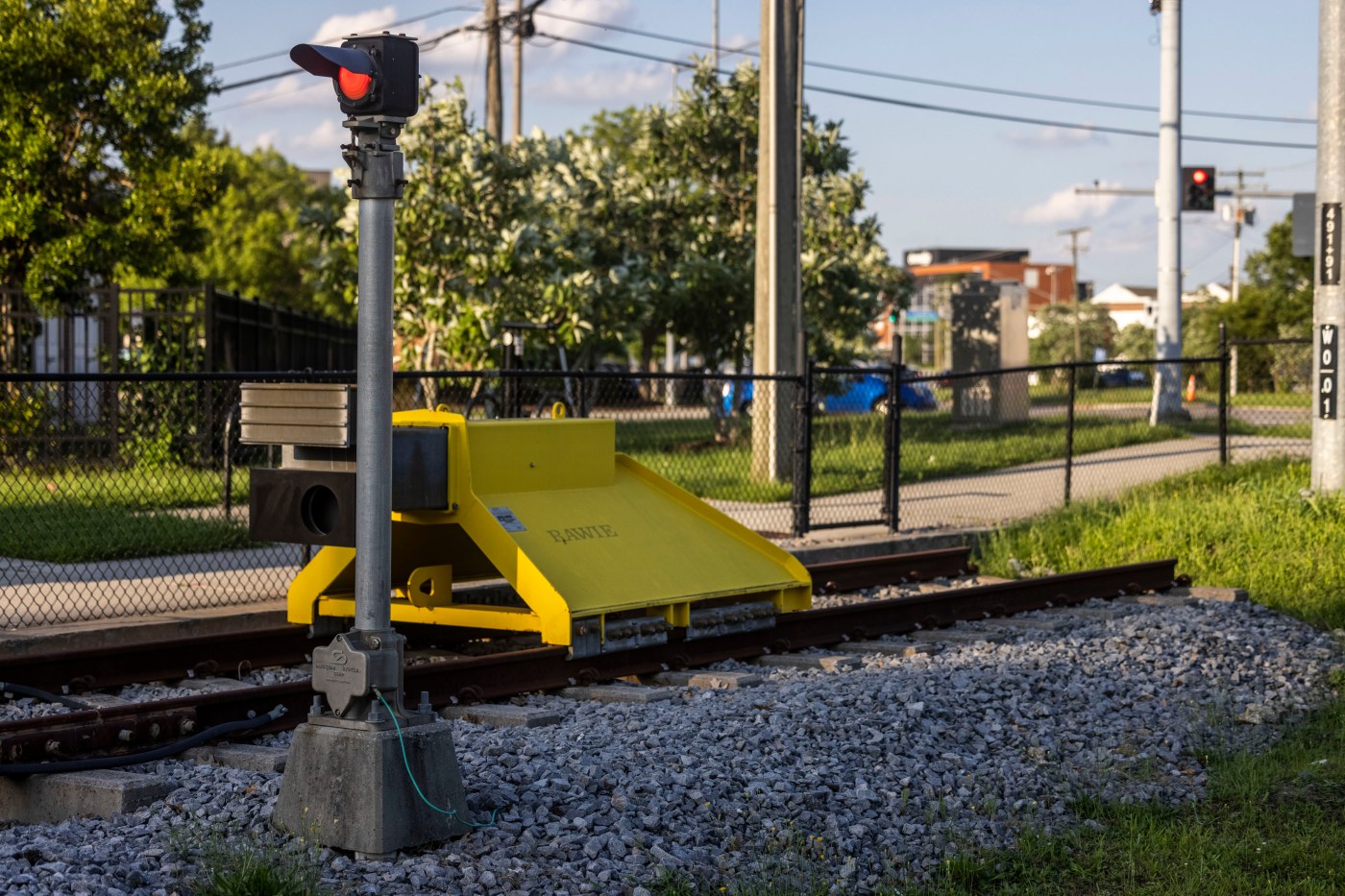
A new legislative initiative is taking shape in Virginia after a previous bill aimed at studying the extension of light rail to the Virginia Beach Oceanfront failed to progress. Del. Alex Askew, a Democrat representing Virginia Beach, introduced House Joint Resolution 26 (HJ26) last month, which sought to direct the Department of Rail and Public Transportation to collaborate with Hampton Roads Transit and the City of Virginia Beach on the feasibility of extending The Tide light rail system to the Oceanfront.
During a Virginia Beach City Council meeting on January 20, concerns were raised about the proposal. Councilman Stacy Cummings highlighted a previous referendum in 2016, where 57% of voters opposed extending light rail by 3.5 miles to reach Town Center. The city’s legislative affairs director, Brent McKenzie, confirmed that neither city leadership nor Hampton Roads Transit requested the legislation.
As the costs of extending light rail have escalated since the referendum, the community remains divided about its potential benefits. The failure of HJ26 on Monday in Richmond has not halted momentum for transit expansion. A revised bill, House Joint Resolution 28 (HJ28), has gained traction and received unanimous support. This new version not only incorporates elements from HJ26 but also broadens the focus to include a comprehensive study of various transit modes across Hampton Roads.
Del. Alex Askew emphasized the necessity of this broader approach. HJ28 aims to examine local and express bus services, ferries, paratransit, on-demand microtransit, trolleys, and other ridesharing options. “This will launch a region-wide effort to figure out how we fund the entire Hampton Roads transit network,” Askew stated via email.
The proposed legislation plans to establish a 13-member subcommittee consisting of legislators and transit officials, along with a work group comprising representatives from various transit authorities and local business communities. The subcommittee is tasked with producing a comprehensive final report by November 30, 2027. An HRT spokesperson expressed strong support for HJ28, noting its alignment with previous legislation that successfully increased transit funding in Northern Virginia.
Askew defended his initial proposal, asserting that HJ26 raised awareness about light rail options and that HJ28 “creates a broader path forward.” He underscored that the civic interest in transit solutions has evolved significantly since the 2016 referendum. “The energy in the community, the calls, the coverage, the conversations I’m having… all say the same thing: people are excited about the possibilities,” he remarked.
The City Council discussed HJ28 during their regular meeting on Tuesday, ultimately agreeing to support it, aligning with their priorities for expanded public transit options. However, they reiterated their reservations regarding light rail. Mayor Bobby Dyer commented on the increased costs associated with extending light rail since the 2016 vote, dismissing it as a current priority. “Light rail is dated technology… it doesn’t take you to where you need to go because it’s a limited route,” he stated, reinforcing the need for a more integrated transit solution.
As the conversation around transit options continues, HJ28 represents a significant shift in focus from light rail to a more inclusive evaluation of transportation possibilities in Hampton Roads. The community’s response and the final recommendations of the subcommittee will likely shape the future of transit in the region.