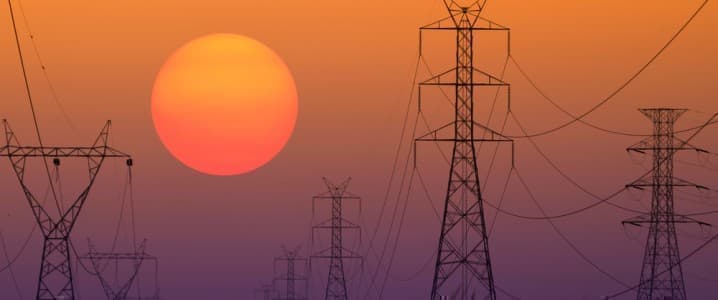
The energy infrastructure in the United States is poised for significant challenges as winter approaches. Years of underinvestment and a lack of coordination among utility companies have resulted in a fragile system, vulnerable to failures during severe weather events. With the winter months looming, concerns are rising over potential power outages in various regions, particularly in states like Texas and California, which often experience outages due to extreme weather.
In February 2021, Texas was hit hard by Storm Uri, which brought frigid temperatures that left millions without electricity, heat, or running water. The severe cold caused widespread infrastructure failures, particularly in the natural gas sector, where electrically operated systems, including pumps and antifreeze injection systems, froze. The Electric Reliability Council of Texas (ERCOT) was forced to implement rolling blackouts, amounting to the “largest manually controlled load shedding event in U.S. history,” as reported by the Federal Energy Regulatory Commission (FERC). Approximately 4.5 million residents lost power for several days during this unprecedented crisis.
The U.S. energy grid is characterized by its fragmented nature, with different state governments managing their sections and numerous utilities responsible for various infrastructure components. This disjointed system complicates efforts to enhance reliability. For instance, improvements made in one state’s transmission lines may not be mirrored in neighboring states, leading to uneven levels of resilience across regions.
In response to ongoing infrastructure challenges, the Biden administration introduced the $2 trillion Bipartisan Infrastructure Law in 2021, which allocated $100 billion to modernise and reinforce the electric grid. Despite this initiative, the grid remains inadequately prepared for severe weather events, due in part to persistent investment hurdles and bureaucratic obstacles.
Adding to the complexities of energy demand, the rapid expansion of data centres across the U.S. is raising alarms. Tech companies are heavily investing in infrastructure to support advanced technologies, such as artificial intelligence, which has significantly increased energy consumption, particularly in Texas. The state’s growing reputation as a hub for energy production and cleantech has attracted considerable investment, but this has also heightened concerns about potential energy shortages during extreme weather.
The North American Electric Reliability Corporation (NERC) issued a warning in November regarding the 24/7 energy requirements of data centres, indicating that maintaining a sufficient electricity supply during peak demand periods, such as extreme cold snaps, will be increasingly challenging. Under severe winter conditions, Texas’s power demand could reach 85.3 GW. Although the state’s electricity capacity stands at 92.6 GW, actual availability may drop to around 69.7 GW, creating a deficit of over 15 GW.
NERC’s analysis highlighted that “strong load growth from new data centres and other large industrial end users is driving higher winter electricity demand forecasts,” contributing to the risk of supply shortfalls. While the grid is expected to remain stable during normal peak demand, the elevated risk during extreme winter weather events poses a serious concern.
The situation is compounded by a surge in project requests to connect to the Texas grid, with over 120 GW of projects submitted, representing a 170 percent increase since January. Approximately 73 percent of these projects are data centres, according to ERCOT. If all proposed data centres are constructed, they would consume energy equivalent to the annual power needs of nearly 154 million homes.
Experts caution that the ambitious pipeline of projects is unlikely to be fully realised, as the existing infrastructure may not support the necessary power supply. The interplay between years of underinvestment, utility unpreparedness, and the surging demand from data centres could lead to significant power deficits if severe weather strikes Texas or other states this winter.
This evolving landscape underscores the urgent need for stronger regulations to ensure the electricity supply is adequate and stable before approving new energy-intensive projects. The impact of the tech sector on energy demand is profound, and its rapid growth calls for immediate attention to infrastructure resilience across the United States.