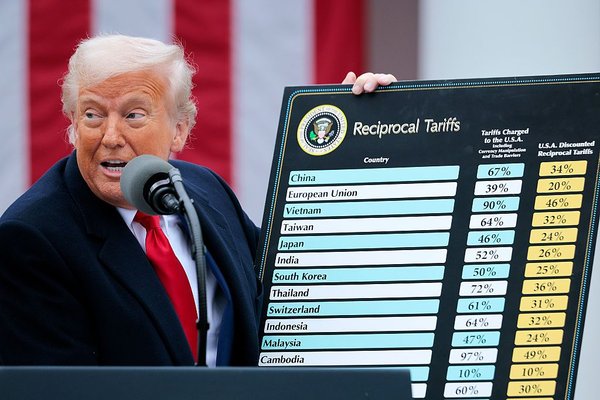
A recent report from the Congressional Budget Office (CBO) indicates that the tariffs imposed during Donald Trump‘s administration are negatively affecting the U.S. economy. The analysis reveals that these trade policies are contributing to a slowdown in economic growth, challenging the former president’s assertions of their benefits.
The CBO report, published in June 2023, provides a detailed examination of the economic effects of tariffs, asserting that they represent self-inflicted wounds to the economy. According to the findings, the tariffs have led to increased costs for consumers and businesses, ultimately hindering overall economic performance.
Analysis of Tariff Effects
The CBO’s assessment highlights that the tariffs, originally designed to protect American industries, have resulted in unintended consequences. By raising the prices of imported goods, these measures have diminished purchasing power and reduced consumer spending. The report quantifies the impact on the Gross Domestic Product (GDP), projecting a decrease of approximately $1.2 trillion in economic output over the next decade.
This economic contraction comes at a time when the U.S. economy is already facing pressures from inflation and supply chain disruptions. The CBO attributes these issues partially to the ongoing trade barriers established under Trump’s administration. In particular, sectors reliant on imported materials have been disproportionately affected, leading to increased production costs and reduced competitiveness in global markets.
Political Repercussions and Future Implications
The findings of the CBO report may have significant political ramifications, as they contradict the narrative promoted by Trump and his supporters regarding the effectiveness of tariffs. Trump has consistently argued that these measures would bolster American manufacturing and lead to job creation. However, the CBO’s evidence suggests otherwise, painting a more complex picture of the economic landscape.
As policymakers consider future trade strategies, the CBO report underscores the necessity of evaluating the broader implications of tariffs. Economists and analysts are urging for a reassessment of existing trade policies to foster a more balanced approach that promotes growth while protecting domestic interests.
In conclusion, the CBO’s analysis serves as a critical reminder of the intricate relationship between trade policies and economic health. With the report highlighting the adverse effects of Trump’s tariffs, it raises essential questions about the direction of U.S. trade policy moving forward. The economy’s resilience will depend on how effectively leaders address these challenges and adapt to an evolving global marketplace.