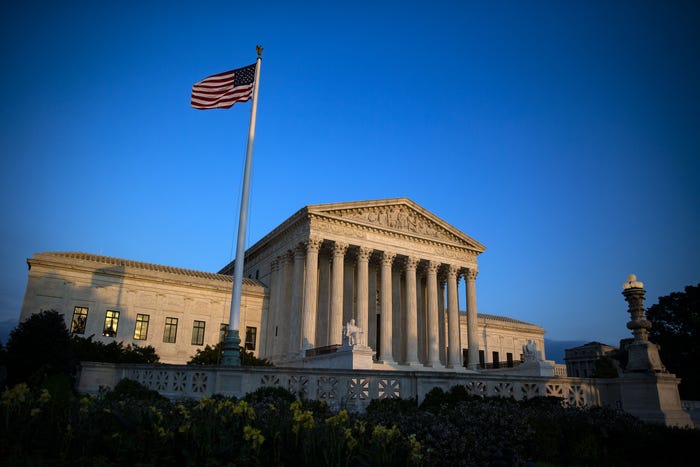
The Supreme Court has struck down a significant portion of President Donald Trump’s tariffs, prompting the president to announce new measures to impose a 15% “worldwide” tariff. This decision has generated considerable debate about the future of tariffs and their impact on the economy.
New Tariffs and Legal Challenges
Despite the setback, Trump remains determined to implement tariffs under Section 122, which allows for temporary tariffs lasting up to 150 days. This initiative marks a continuation of his administration’s trade policy, even as the legality of previous tariffs faces scrutiny.
A central question now revolves around the $133 billion collected from tariffs that have been deemed unconstitutional. Over a thousand companies have preemptively filed lawsuits seeking refunds, complicating the situation further. The process of recovering these funds will likely involve extensive legal battles, raising concerns about the potential fallout for businesses. Companies must weigh the advantages of pursuing refunds against the risks of antagonizing the current administration.
Some members of the Democratic Party have suggested that the government should issue $1,700 refunds directly to American citizens. However, analysts at Goldman Sachs warn that consumers should not expect immediate price reductions as a result of this ruling.
Investor Reactions and Economic Implications
The market response has been mixed, reflecting the complexities of the situation. The Supreme Court’s decision may set a legal precedent that complicates future tariff implementations, which could benefit many businesses. Companies facing tariffs might also qualify for refunds, potentially providing a much-needed cash influx.
Conversely, the prospect of reduced tariffs raises concerns about the federal deficit. This could lead to higher bond yields and impact stock market performance negatively. Analysts at Jefferies have identified consumer stocks that may benefit from these developments, although the overall economic landscape remains uncertain.
Despite the tumultuous nature of current trade policies, recent data indicates that the economy is growing, albeit unevenly. Many of the dire predictions surrounding Trump’s tariff policies have not come to fruition, prompting some analysts to explore why this is the case.
As the administration navigates these complexities, it remains to be seen who will emerge as the winners and losers from this latest chapter in trade policy. Lawyers are expected to thrive amid the litigation, while Chief Operating Officers (COOs) are likely facing significant challenges due to the ongoing tariff fluctuations affecting their supply chains.
Further clarity is anticipated during Trump’s upcoming State of the Union address on Tuesday night, where he may address the ruling and its implications for his administration’s trade strategy. The atmosphere may be tense, especially among the Supreme Court justices whose decision has catalyzed this new phase of tariff discussions.