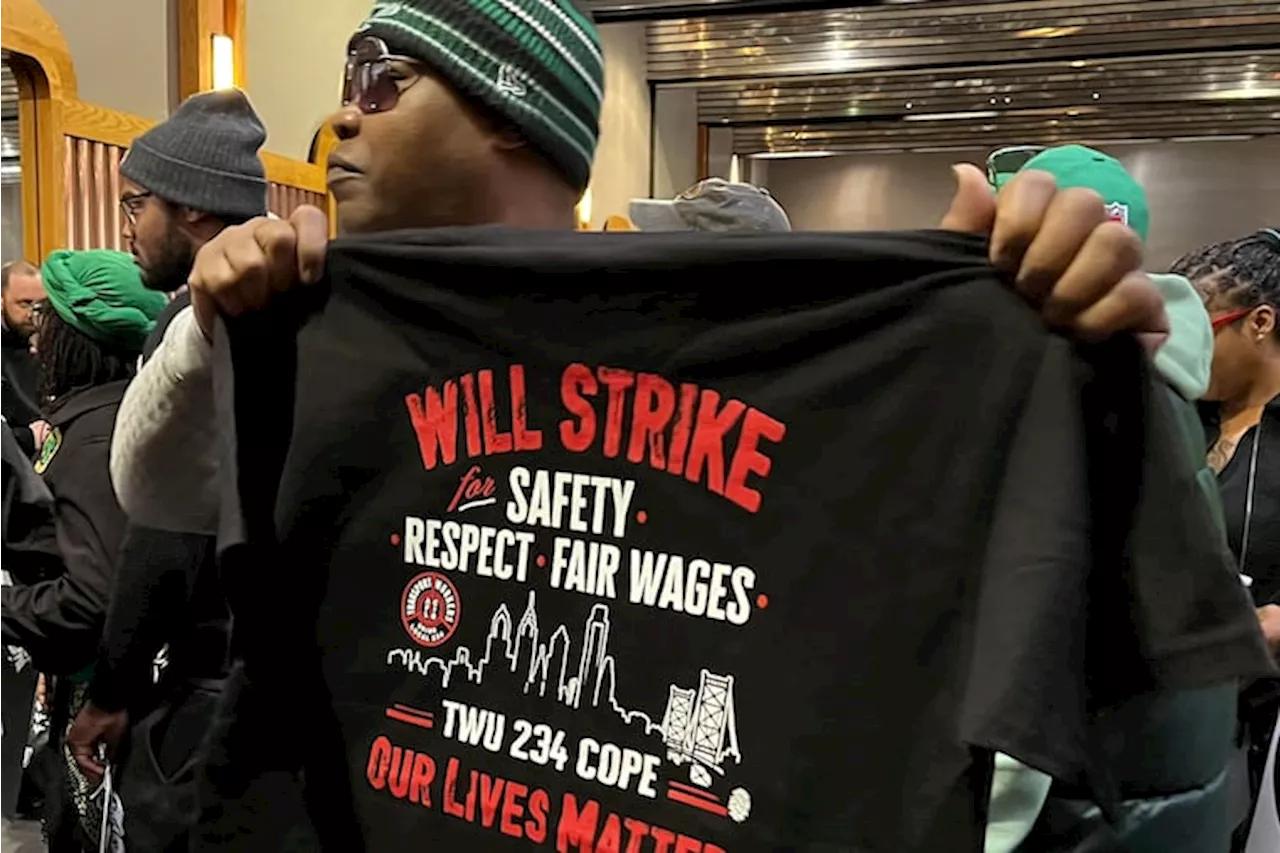
Members of the Transport Workers Union Local 234, representing approximately 5,000 employees at the Southeastern Pennsylvania Transportation Authority (SEPTA), voted on Sunday to authorize a strike as contract negotiations progress. The union seeks a two-year contract that includes wage increases and modifications to work rules, reflecting longstanding grievances that members feel need addressing.
In a statement to the press, Will Vera, president of Local 234, expressed pride in the unanimous decision made by union members. Vera, who was elected to the presidency in October, emphasized that while he is not immediately calling for a strike, this authorization strengthens the union’s position during negotiations. “I believe in my members, and they believe in me,” he stated. Vera acknowledged that discussions with SEPTA have been amicable thus far, but cautioned that the situation can change rapidly.
The union represents a diverse group, including bus, subway, and trolley operators, as well as mechanics and custodians. As negotiations unfold, the atmosphere has been influenced by the recent arrival of a new chief labor-relations officer at SEPTA and ongoing uncertainties related to funding for transit agencies within the state budget. Pennsylvania lawmakers finalized a $50.1 billion budget on Wednesday, which did not allocate additional funds for public transit.
Union representatives are advocating for a two-year contract that includes salary increases and adjustments to what they deem outdated work rules. These rules include the agency’s reliance on a third-party management system that complicates employees’ ability to utilize their sick leave. According to Vera, many provisions in the current contracts have been in place since the 1940s, 1950s, and 1960s, and he sees this negotiation as an opportunity to enact necessary changes.
In response to the strike authorization, SEPTA reiterated its commitment to engaging in good-faith negotiations, aiming to reach a fair agreement. The agency noted its awareness of the union’s vote and the importance of maintaining open dialogue.
The international president of the Transport Workers Union, John Samuelsen, voiced strong support for Local 234, warning that if SEPTA fails to adequately address the union’s demands, the consequences could be significant. “If SEPTA doesn’t put money on the table, we’re going to shut Philly down,” he warned, indicating that union members from New York City would join Local 234 in solidarity if a strike occurs.
Individual union members have also expressed their frustrations. Lyle Smith, a body mechanic with 18 years of experience, articulated the dissatisfaction with current working conditions, stating, “We’re sick and tired of coming to work under poor work-rule conditions.”
As discussions continue in Harrisburg regarding the budget, there have been proposals to generate additional revenue through taxes on online sports betting and unregulated gaming machines. However, these proposals have not materialized into funding for transit agencies, leaving unions like Local 234 feeling increasingly pressed for change.
The situation remains fluid, with the potential for a strike looming as the union pushes for improvements to both wages and working conditions. The outcome of these negotiations could significantly impact public transportation services in Philadelphia and beyond.