T-Mobile has unveiled a new phone plan in response to increasing customer losses and fierce competition within the telecommunications market. The company reported a postpaid phone churn rate of **0.89%** during the third quarter of **2025**, marking a rise of **3 basis points** compared to the same quarter last year. This uptick in cancellations comes as T-Mobile faces backlash for recent price hikes and changes to its phone plans.
The competitive landscape has intensified as rivals like **Verizon** and **AT&T** introduce attractive offers, including free perks and phone deals, aimed at capturing market share. Meanwhile, cable companies such as **Spectrum** and **Xfinity** are enticing customers with bundled services that provide discounted phone plans.
A recent survey conducted by **Oxio** reveals that almost **90%** of consumers are open to exploring alternatives to traditional carriers. Cost remains a significant concern, with **85%** of respondents citing it as a primary factor in selecting a mobile provider. Notably, **46%** of consumers indicated that lower-priced plans drive their decision to switch, while **33%** prioritize improved network coverage.
“The research shows that many consumers are looking for greater plan clarity and value,” stated **Nicolas Girard**, CEO of Oxio. “They want services that match what they actually use.” These sentiments underline a shifting consumer landscape that T-Mobile aims to address with its new offerings.
T-Mobile Introduces ‘Better Value’ Plan
In a bid to attract and retain customers, T-Mobile has launched what it describes as its “most value-packed plan ever.” The **Better Value** plan begins at **$140** per month for three lines with autopay, translating to approximately **$46** per line, plus taxes and fees. This plan comes with a five-year price-lock guarantee covering talk, text, and data.
Key features of the Better Value plan include unlimited premium data on T-Mobile’s **5G** network and unlimited hotspot data, which offers **250GB** of high-speed data each month (with reduced speeds thereafter). Additionally, customers can enjoy unlimited data while abroad, specifically **30GB** of high-speed data per month in over **215** countries and destinations. The plan also includes satellite connectivity, allowing unlimited text and data via satellite-optimized applications.
T-Mobile further enhances this offer with complimentary subscriptions to services like **Netflix** and **Hulu**, along with **Apple TV** for a nominal fee of **$3** per month. For an additional **$10** per month with autopay, customers can access home internet backup. The company asserts that families could save over **$1,000** annually compared to similar plans from AT&T and Verizon.
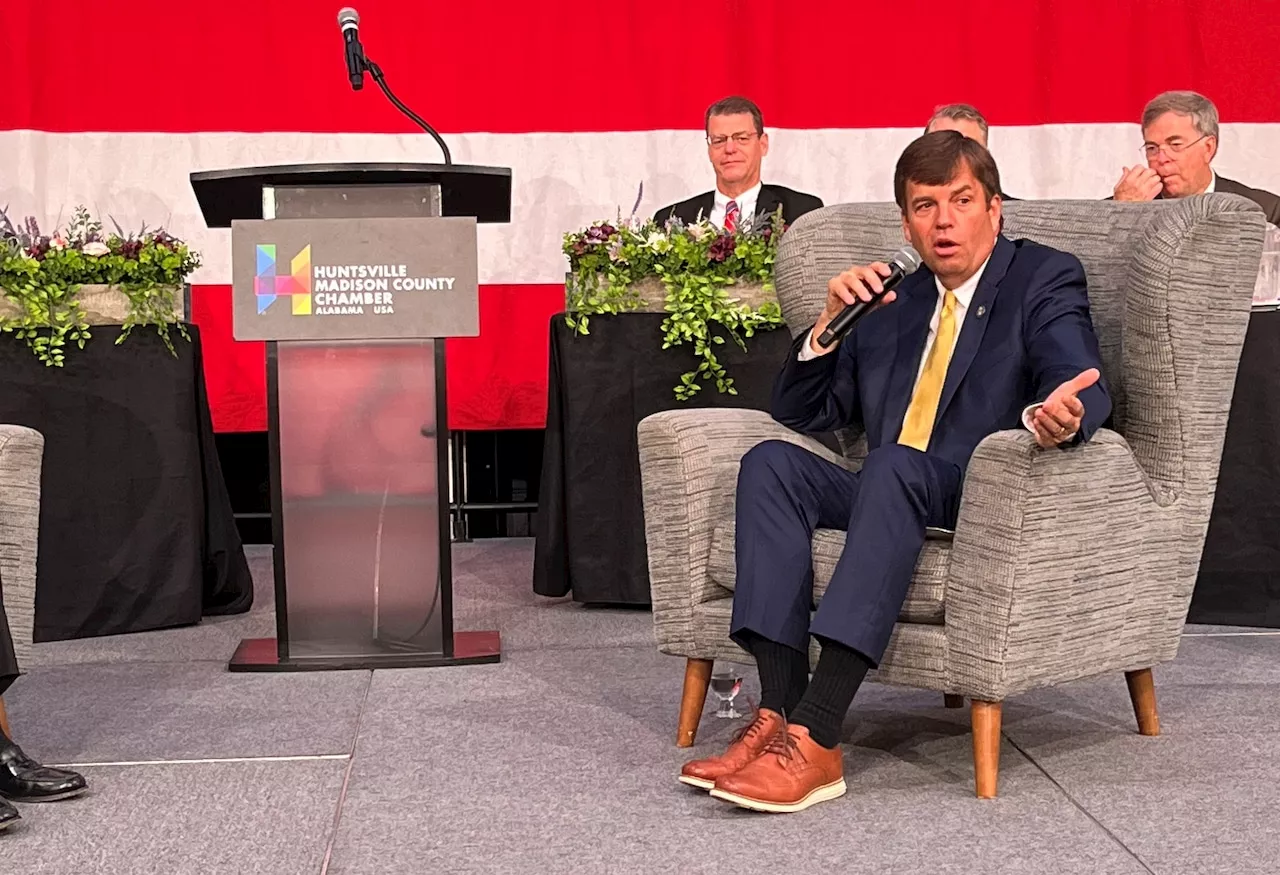
“Families are looking for ways to save and get more value from the services they rely on every day, especially wireless,” said **Mike Katz**, T-Mobile’s Chief Business and Product Officer. “While AT&T and Verizon keep asking people to pay more for less, we’re doing the opposite.”
Market Position and Competitive Strategies
T-Mobile’s latest strategy coincides with its previous initiative, “15 Minutes to Better,” which simplifies the process of switching carriers. This initiative allows consumers to change their phone service in under 15 minutes through T-Mobile’s T-Life app or website using the “Easy Switch” tool.
As of now, T-Mobile holds a **20.8%** share of the U.S. wireless market, while Verizon and AT&T command **23.8%** and **19.4%**, respectively, according to data from market research firm **IBISWorld**. The competitive environment is further complicated by the presence of Mobile Virtual Network Operators (MVNOs), which lease network capacity and often provide lower-cost options for consumers.
Consumer satisfaction ratings reveal that T-Mobile scores **636** on a **1,000-point** scale for its postpaid plans, outperforming Verizon and AT&T, which received scores of **583** and **573**, respectively. However, MVNOs, such as **Consumer Cellular** and **Google Fi Wireless**, boast higher average satisfaction scores of **641** and **671**.
“The findings show that value is the most important driver of the overall experience, followed closely by service quality,” said **Carl Lepper**, Senior Director of Technology, Media, and Telecom at J.D. Power.
As T-Mobile navigates this challenging landscape, its ability to adapt and innovate will be crucial in retaining customers and maintaining competitive relevance in the evolving telecommunications sector.