MARTINEZ — The ongoing legal battle over the Supplemental Nutrition Assistance Program (SNAP) has created uncertainty for millions of Americans relying on food assistance. A federal judge recently ordered the Trump administration to continue funding the program, which had faced significant cuts during the government shutdown. This decision has now reached the Supreme Court, where Justice Ketanji Brown Jackson has temporarily halted a lower court’s order to fully fund SNAP, leaving payments for approximately 42 million Americans in jeopardy.
In California, the program, known as CalFresh, serves around 5.5 million low-income residents. Benefits can reach as high as $785 per month for a family of three, but many recipients faced a lapse in assistance starting November 1, 2025. This occurred after the administration opted not to utilize $5 billion in contingency funds to sustain SNAP, prompting local authorities to take action.
To address this pressing issue, Contra Costa County is set to distribute up to $21 million in emergency funds on November 10. This initiative aims to alleviate the economic repercussions of the federal shutdown, which has led to a declared state of emergency. The one-time payout will be loaded onto debit cards for over 100,000 local SNAP recipients, providing immediate relief to those affected.
The impact of SNAP on local economies is substantial. According to the National Grocers Association, the program supports approximately 388,000 jobs nationwide. In Contra Costa County, more than 705 retailers depend on CalFresh transactions, which account for around 8% to 10% of their total sales. County Administrator Monica Nino emphasized that this initiative is a significant, tax-funded effort to mitigate the crisis, and it represents the only notable investment from any government agency addressing the SNAP funding challenges.
Dr. Diane Schanzenbach, an economist at Georgetown University, expressed concern over the implications of the funding cuts. She stated, “Food is often the canary in the coal mine when it comes to families experiencing financial hardship.” The data surrounding food insecurity can serve as a warning for broader economic issues, including potential eviction crises.
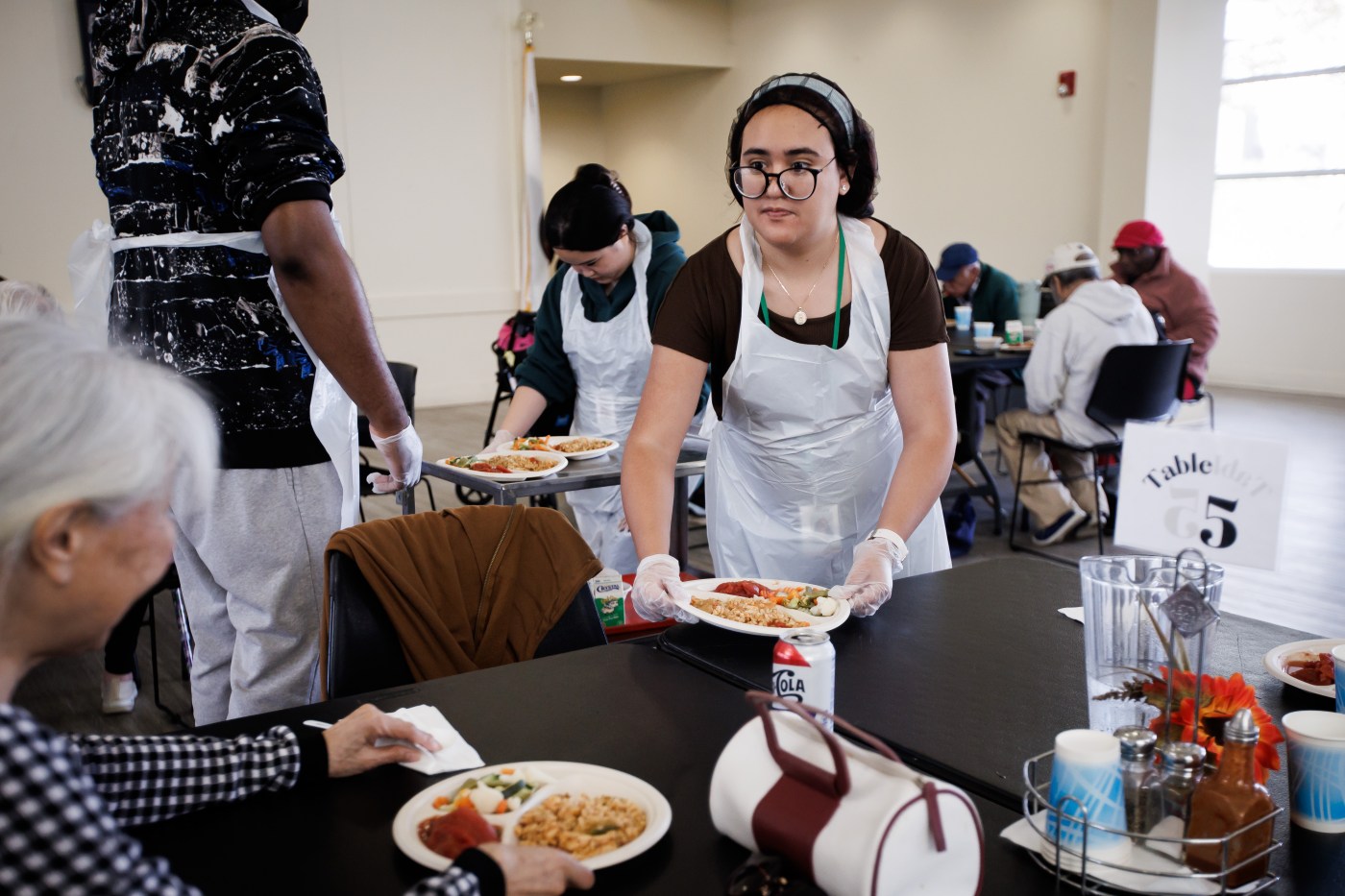
As the political struggle continues in Washington, D.C., local community resources are already feeling the strain. Lunchtime meals at senior centers and community hubs in the East Bay are being reduced, affecting vulnerable populations. Supervisor Shanelle Scales-Preston highlighted the erosion of trust between the community and the government, noting, “Sometimes I think the community feels like they can’t trust government.”
While other counties, such as San Francisco and Napa, have also stepped in with their own funding initiatives—$9.1 million from San Francisco and $1 million from Napa—these efforts primarily support food banks rather than directly replenishing the benefits missing from residents’ budgets. Contra Costa County Supervisor John Gioia argued that their approach offers a more dignified solution, allowing residents to shop at local markets as they typically would.
Experts stress the importance of continued food assistance in keeping families out of poverty. Dr. Lindsey Haynes-Maslow of the University of North Carolina at Chapel Hill noted that without support, children are more susceptible to health issues, which can hinder their educational success and future earning potential.
The demographic breakdown of SNAP recipients shows that children make up 40% of enrollees, while older Americans represent another 20%. The remaining 40% includes individuals with disabilities or those who simply cannot afford basic food costs. Haynes-Maslow characterized the current situation as a “roller coaster ride” that traps families in a cycle of poverty.
As Contra Costa County prepares to implement its emergency funding plan, the broader implications of the SNAP funding crisis remain a critical concern for communities across the United States. The actions taken at the local level underscore the urgent need for reliable support systems to protect those who depend on food assistance.