Russia’s oil and gas revenues fell sharply by 27% in October 2025 compared to the previous year, according to data from the Russian Finance Ministry. The decline comes as new sanctions imposed by the United States further tighten the economic pressure on Moscow, which is already grappling with weakened crude prices and a stronger ruble.
The Kremlin collected 888.6 billion rubles, or approximately $10.9 billion, in oil and gas taxes for October, a significant decrease from about 1.2 trillion rubles in October 2024. Over the first ten months of 2025, total revenues from oil and gas reached 7.5 trillion rubles, down from 9.5 trillion rubles during the same period last year, reflecting a drop of more than 2 trillion rubles, or 21%.
Sanctions Target Major Oil Companies
The pressure on Russia’s vital energy sector is set to escalate. In late October, the US Treasury Department sanctioned the financial arms of Rosneft and Lukoil, Russia’s largest oil firms. Together, these companies represent nearly half of the nation’s seaborne oil exports, amounting to about 3 million barrels per day.
Initial fears that these sanctions might tighten global oil supply and raise prices were quickly dismissed by the market. Current trading prices for US West Texas Intermediate are around $60 per barrel, while international Brent crude hovers near $64, both reflecting a decline of roughly 15% this year amid plentiful supply and subdued demand.
Despite the challenges, Russia has managed to reroute its crude oil exports through what is known as a “shadow fleet,” employing non-Western insurance and non-dollar payment systems. However, buyers now face heightened compliance risks due to the latest sanctions.
Impact on Pricing and Economic Growth
Bridget Payne, head of energy forecasting at Oxford Economics, noted in a report that the sanctions have created a “sanctions premium” on Russian crude. This premium, coupled with increased insurance and financing costs, will necessitate wider discounts on Russian oil to entice buyers, ultimately impacting Moscow’s net revenue.
The Russian economy showed signs of slowing growth, with a 0.6% increase year-on-year in the third quarter of 2025, down from 1.1% in the second quarter and 1.4% in the first quarter. This slowdown follows a wartime economic boom driven by substantial defense spending and government subsidies.
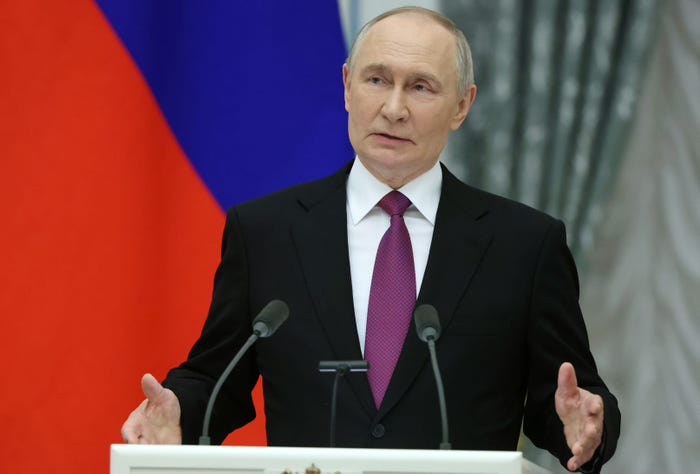
As President Vladimir Putin‘s administration faces increasing fiscal constraints, the United States continues to seek a diplomatic resolution to the conflict in Ukraine while maintaining low energy prices to keep inflation in check. However, tensions persist, as demonstrated by former President Donald Trump‘s expressed frustration over stalled negotiations, stating, “Every time I speak to Vladimir, I have good conversations, and then they don’t go anywhere.”
The combination of falling oil revenues and intensifying sanctions presents a critical challenge for Moscow, which must navigate these pressures while attempting to sustain its wartime economy.