Two tankers transporting Russian Urals crude oil, initially destined for India’s Sikka port, have changed their course, according to data from analytics firm Kpler. This update comes amid increasing scrutiny regarding India’s ongoing trade with Russia.
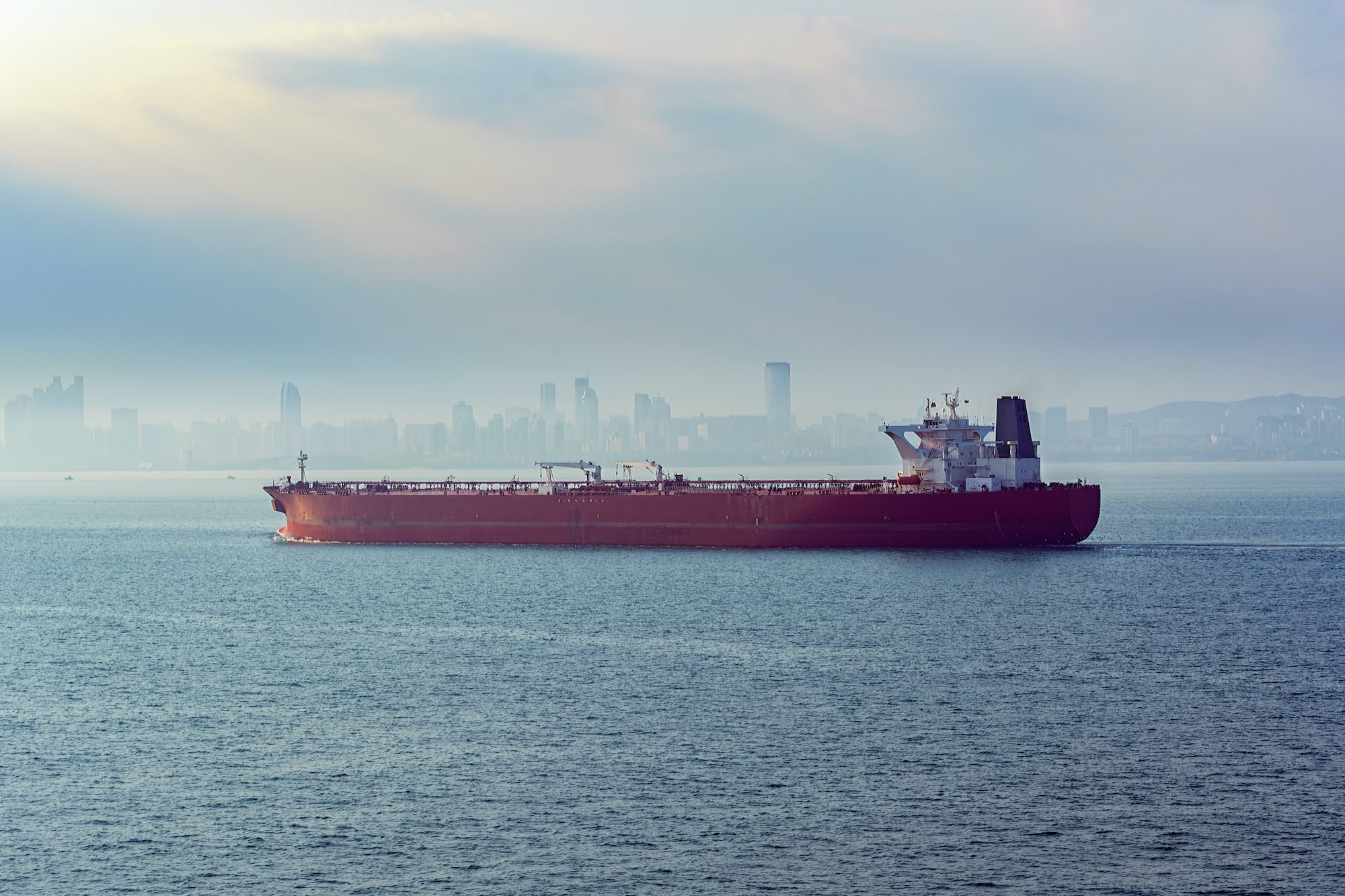
The first vessel, named Cosmo Sail, had indicated Sikka as its destination on December 29, 2025. It was initially associated with the massive Jamnagar refinery operated by Reliance Industries Ltd.. However, the tanker discharged its cargo at a nearby single-point mooring facility owned by Bharat Petroleum Corp. over the weekend.
Another tanker, Kartha, initially signaled Sikka on December 31, 2025, but later updated its destination to the port of Vadinar, also situated on India’s west coast. The use of Sikka as a shorthand for the broader area sometimes leads to confusion regarding the actual discharge locations. Kpler’s signals are generated based on the vessel’s reported intentions, which may be adjusted as the ship approaches its final destination.
Last week, Bloomberg reported that at least three tankers were en route to Reliance’s port, carrying a total of approximately 2.2 million barrels of Urals crude. In response to inquiries, a spokesperson for Reliance stated that the company did not have committed Russian crude deliveries scheduled for January 2026.
The third tanker, Vokki, is currently sailing off the coast of Oman and continues to indicate Sikka as its destination, according to Kpler’s tracking. Reliance reiterated that reports linking the company to oil deliveries destined for Jamnagar are “completely false.” The refinery has not received any Russian crude deliveries in the last three weeks and does not anticipate any in January.
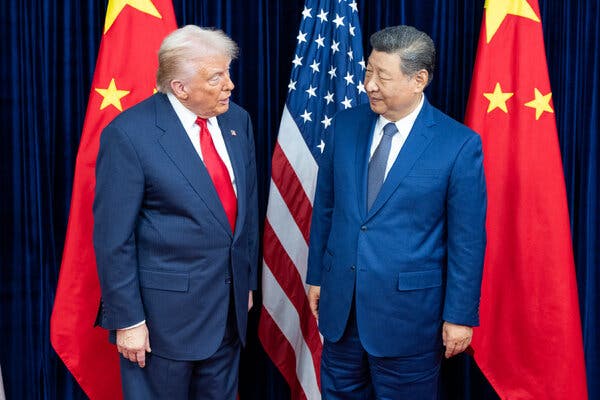
India has emerged as one of the largest importers of Russian crude in recent years, a situation that has drawn criticism from U.S. President Donald Trump and other senior administration officials. Despite the pressure, India has publicly defended its trade relations with Russia. This uncertainty has impacted oil imports, with volumes dropping to their lowest levels in three years as of last month.
As global dynamics shift, the handling of Russian oil imports continues to raise questions about the future of energy trade in the region, particularly for major players like India.