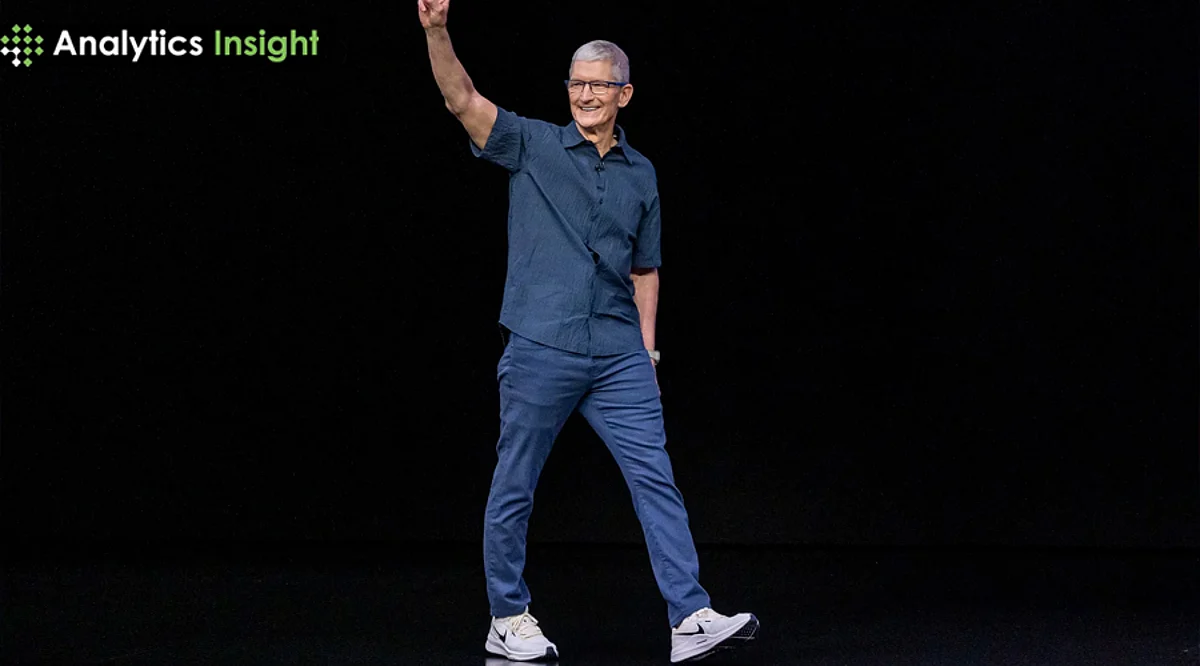
Nike’s stock price saw a rebound in early trading on December 24, 2023, following an SEC filing that revealed a significant insider purchase by Apple CEO Tim Cook. This acquisition, valued at approximately $2.95 million, came after a notable decline in Nike shares following its recent earnings report.
Tim Cook’s Strategic Purchase
A Form 4 filing indicated that Cook purchased 50,000 shares of Nike’s Class B common stock on December 22, at a weighted average price of $58.97 per share. This transaction marked an increase in Cook’s holdings, bringing his total to about 105,000 shares of the company. Cook, who has been a member of Nike’s board since 2005 and currently serves as the lead independent director, made these purchases amidst a broader trend of insider buying, which often garners investor interest, particularly during periods of stock underperformance.
In the premarket trading session, Nike shares increased by approximately 2%, reaching around $58.49. This uptick is noteworthy considering the stock had experienced a steep drop of nearly 13% following the company’s quarterly earnings announcement on December 18.
Market Context and Financial Overview
The recent earnings report revealed that while Nike achieved revenue of $12.43 billion, net income fell by 32%, and gross margins dropped by about 300 basis points. Sales in China, a critical market for the brand, declined by 17%, marking a continuation of challenges in that region. Furthermore, the company warned that tariffs could potentially increase costs by $1.5 billion in 2025, placing additional pressure on profit margins.
Amid these headwinds, Robert Holmes Swan, another member of Nike’s board, also disclosed an open-market purchase of 8,691 shares at $57.54 on the same day as Cook’s transaction. Insider purchases are often interpreted as a sign of confidence, as they indicate personal financial commitment rather than merely stock awards.
Despite the positive sentiment generated by these insider transactions, challenges remain for Nike. The company has implemented strategies to manage older inventory and has begun relying more heavily on wholesale partners as it navigates its current business landscape. Industry analysts suggest that Nike faces heightened competition from brands like On and Hoka, which may impact its recovery efforts.
Looking ahead, Nike has projected a slight decline in third-quarter revenue during the holiday season. Elliott Hill, the company’s CEO, emphasized that Nike remains in recovery mode, focusing on its core sports offerings. The upcoming earnings call will be pivotal for investors, as it will provide insights into demand in China, inventory levels, and the company’s approach to tariffs.
As market participants keep a close eye on Nike’s performance, they will particularly monitor the effectiveness of Nike Direct, promotional activity, and whether wholesale growth can counterbalance the softer demand observed in Nike’s digital channels. Future updates regarding guidance and sales performance in China are likely to have a more substantial influence on Nike’s stock than insider purchases alone.