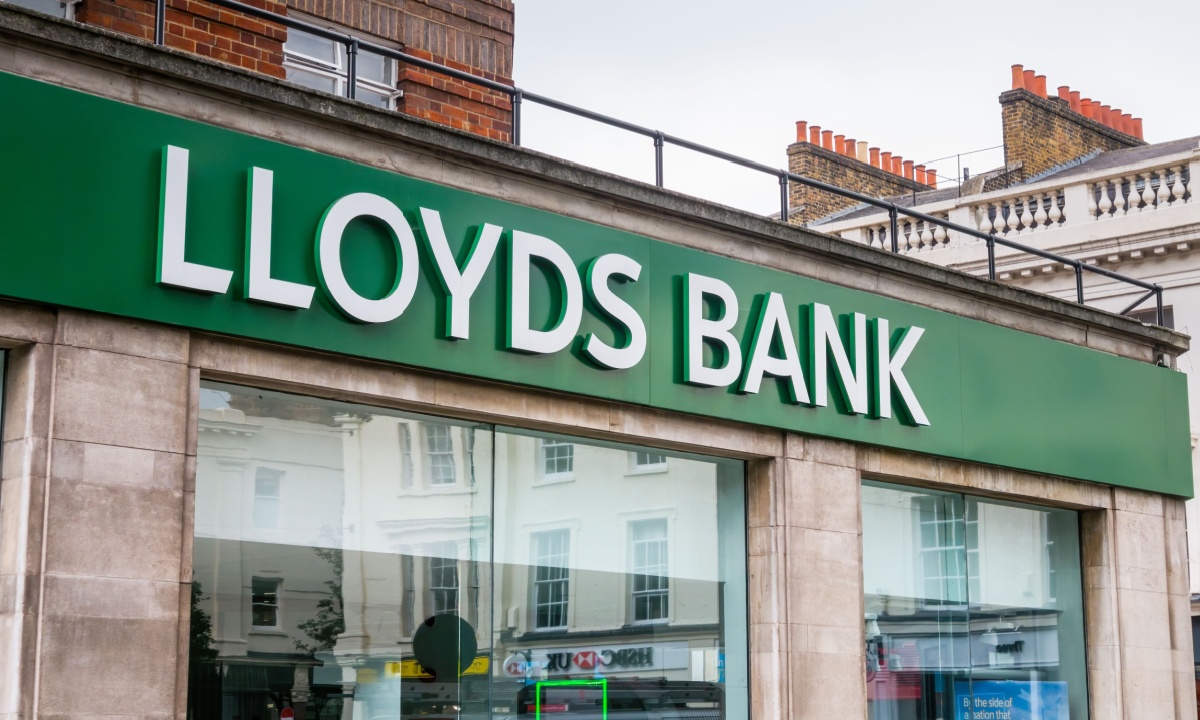
The CEO of Lloyds Bank, Charlie Nunn, has proposed that tokenization could significantly enhance the home-buying experience in the United Kingdom. In an interview with the Financial Times on January 7, 2024, Nunn discussed the concept of “deposit tokenization,” which involves placing customer deposits on a blockchain. He believes this innovation could transform how the bank’s 23 million digital customers interact with their accounts, likening its potential impact to that of the smartphone’s introduction.
Nunn described the anticipated transformation as a “wow moment,” suggesting that over the next five years, these technologies will lead to a more personalized, intuitive, and simplified banking experience. He explained that mortgage processes are often hindered by multiple intermediaries and cumbersome account transfers. Tokenization, combined with smart contracts, could streamline these processes, improving efficiency in the notoriously slow home-buying market in the UK.
Streamlining the Home-Buying Process
According to Nunn, the entire mortgage process—including conveyancing, document sharing, value exchange, and payment—could be incorporated into a smart contract system. This would allow transactions to occur with or without a broker, enabling agents to provide more effective advice to customers. He stated, “Take mortgages: the whole conveyancing, document sharing, value exchange and payments process can be built into a smart contract.”
Lloyds is not alone in exploring the potential of tokenization. Other UK banks, including Barclays, HSBC, and NatWest, participated in a pilot program with UK Finance in September to test tokenized sterling deposits in transactions.
In a broader context, Citigroup recently attributed record quarterly revenues to the implementation of tokenization. The bank has integrated Citi Token Services with its 24/7 USD Clearing system, allowing institutional clients to efficiently transfer tokenized deposits across borders without leaving established compliance and settlement frameworks. Similarly, JPMorgan has developed its own tokenized deposit, operating on a blockchain platform that is backed by the bank’s balance sheet and governed by standard know-your-customer (KYC) and risk controls.
Tokenization as Infrastructure
Karen Webster, CEO of PYMNTS, noted that in these examples, tokenized deposits are being viewed as core infrastructure rather than mere speculative instruments. “They support liquidity management, collateral mobility, programmable treasury operations, and large-value settlement while mirroring existing account structures and legal protections,” she explained.
This shift towards tokenization has significant implications for CFOs and treasurers, as the permissioned nature of these systems enhances rather than limits their operational capabilities. It aligns closely with existing frameworks for managing counterparties, risk tiers, and control measures, making it a compelling choice for financial institutions looking to modernize.
As Lloyds Bank and its counterparts navigate this evolving landscape, the potential for a more efficient and user-friendly home-buying process is becoming increasingly tangible. The advancements in tokenization promise to reshape not just how banking transactions occur but also how customers perceive and engage with their financial institutions.