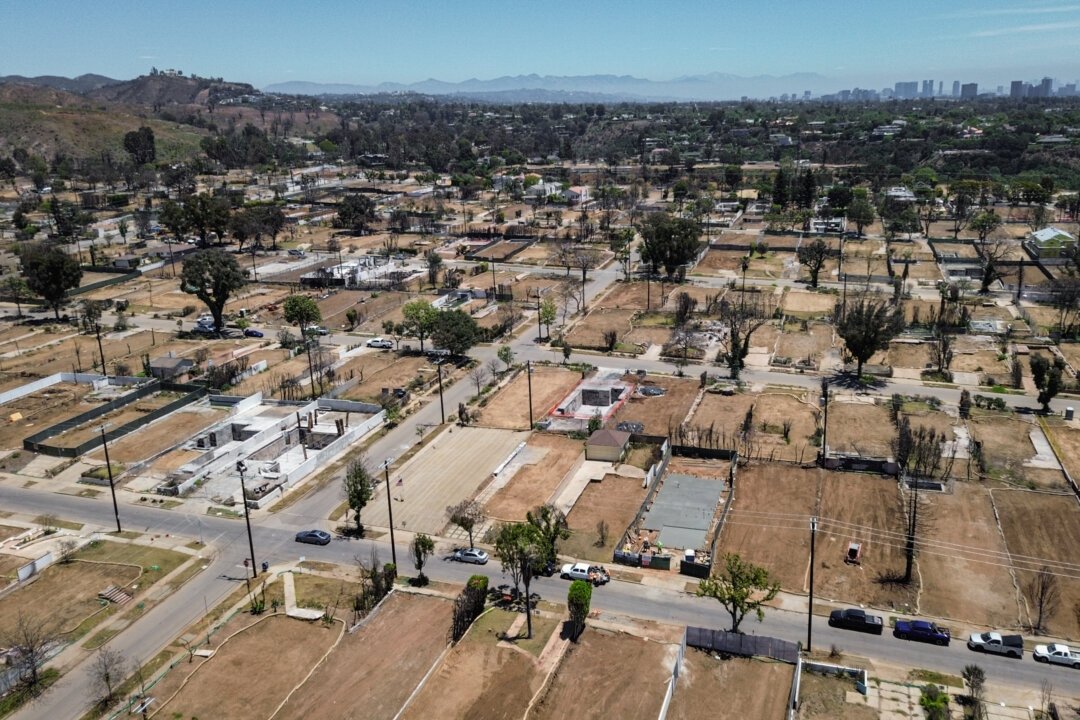
Real estate investors have purchased nearly 40 percent of the vacant land sold in areas affected by the devastating California wildfires that occurred in January 2023. A report released on December 30, 2023, by Redfin highlights that these empty lots were once home to some of the most expensive residences in the nation, which were destroyed when flames swept across over 40,000 acres, obliterating more than 11,000 single-family homes in the suburbs of Los Angeles.
According to a separate analysis from Zillow, the residential housing value of the 19,605 homes in the affected regions was estimated at $46 billion prior to the wildfires. The fires not only devastated properties but also significantly impacted the local real estate market and the lives of numerous residents.
Market Response and Investor Interest
The surge in investor interest reflects a broader trend in real estate where buyers are increasingly looking to capitalize on distressed properties. With a significant portion of land now available, investors are seizing the opportunity to acquire these lots, which may be redeveloped in the future. The acquisition of these lands indicates a potential recovery phase for the region, although it raises questions about the fate of the original homeowners who lost everything.
The wildfires, which were among the deadliest in California’s history, have altered the landscape of the housing market in Los Angeles. The impact of the fires extends beyond the immediate loss of homes to include long-term economic consequences for the community. As investors move in, the local dynamics are likely to shift, affecting both housing availability and prices.
Looking Forward
As the region begins to recover, city planners and local officials will need to address the challenges of rebuilding while considering the needs of displaced residents. The influx of investors may stimulate economic growth, but it also raises concerns about gentrification and the potential displacement of low-income families.
The rebuilding process will require careful coordination among various stakeholders, including government agencies, property developers, and community organizations. The objective will be to ensure that the recovery efforts benefit all residents, not just those with the means to invest.
The aftermath of the January wildfires serves as a reminder of the fragility of communities in the face of natural disasters. As investors buy up land and the real estate market begins to stabilize, it is crucial to keep the human impact at the forefront of recovery efforts. The future of the affected areas will depend on a balanced approach that prioritizes both economic development and social responsibility.