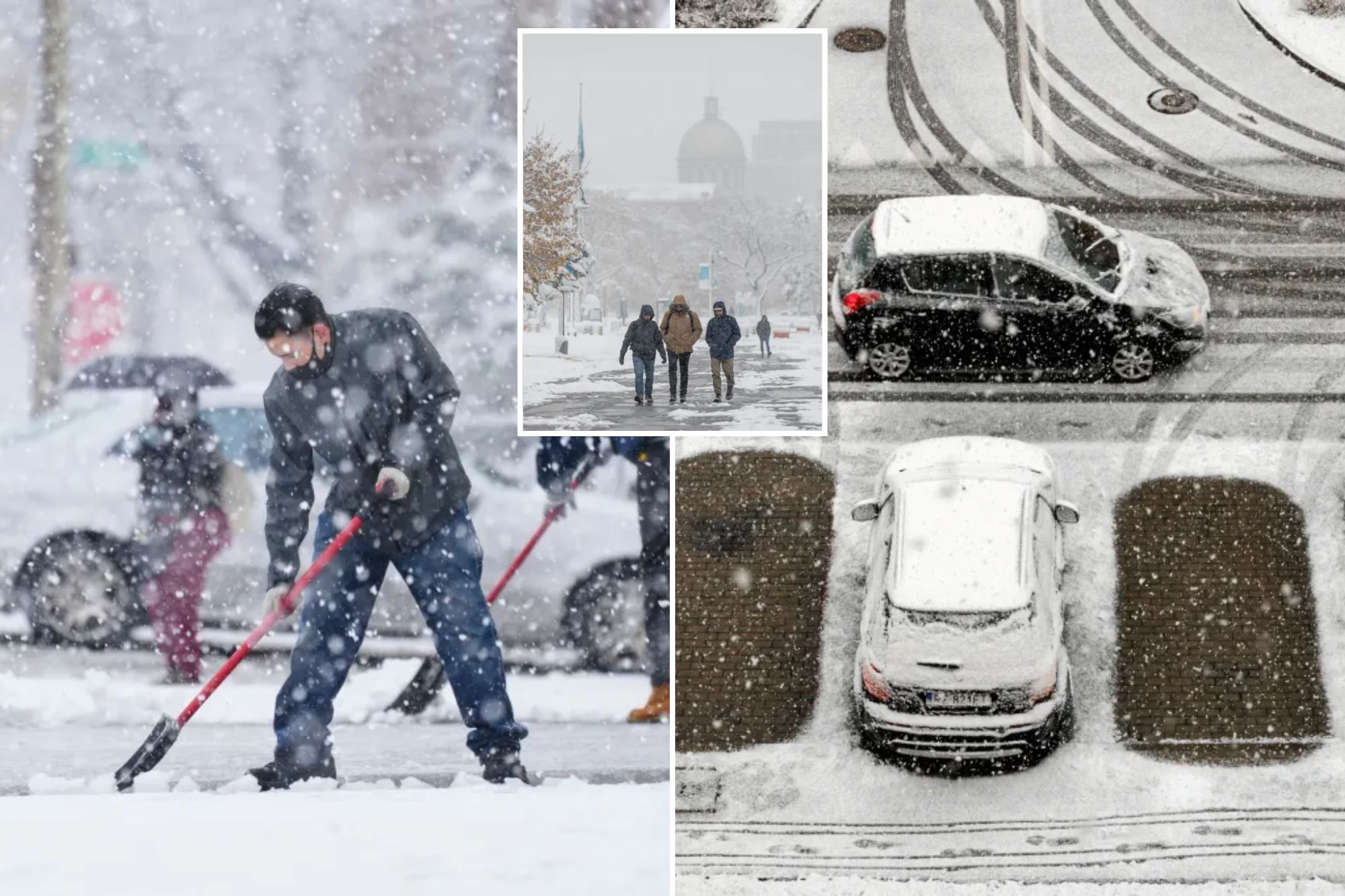
Winter storm season is officially underway, with potential storms threatening the United States during Thanksgiving week. For the 2025-26 season, The Weather Channel has unveiled its list of winter storm names, marking the 14th consecutive year of this initiative aimed at raising public awareness about significant winter weather events.
Winter Storm Naming and Forecast
The Weather Channel names winter storms that are classified as “high-impact,” meaning they produce considerable snow and/or ice that affects one or more regions across the country. This year, the storm names begin with Alston and include a total of 26 names designated for blizzards, snowstorms, and other severe winter weather occurrences. Notably, lake-effect snowstorms and pure Arctic cold outbreaks do not qualify for naming.
The complete list of names for the 2025-26 season includes:
– Alston
– Bellamy
– Chan
– Devin
– Ezra
– Fern
– Gianna
– Hernando
– Iona
– Joseline
– Kadence
– Louise
– Maizie
– Nell
– Obie
– Peyton
– Quigley
– Rodrigo
– Santiago
– Tyrese
– Ulma
– Viviana
– Wolfgang
– Ximena
– Yashi
– Zeb
While November typically marks the beginning of the winter weather season, no named storms have yet emerged. Historically, named winter storms are more common from late January through February, according to The Weather Channel.
Winter Outlook and Preparation
The Old Farmer’s Almanac has released its preliminary forecasts for the winter months, predicting colder-than-average conditions particularly in the Appalachians, Southeast, and Ohio Valley. Increased snowfall is expected in the southern Rockies, eastern Ohio Valley, and parts of the Carolinas, while regions such as Florida, the Intermountain West, and eastern Desert Southwest may experience a wetter winter.
Editor Carol Connare advised homeowners to be prepared: “Don’t lose track of your snow shovels and umbrellas.” Meanwhile, the National Oceanic and Atmospheric Administration’s Climate Prediction Center (CPC) anticipates that the La Niña climate pattern will persist into winter, likely transitioning to neutral by early 2026, with a 61% chance of this shift. This may lead to unpredictable winter weather in areas like the Upper Mississippi River Valley, where temperatures and precipitation could vary significantly.
Regardless of the specific forecast for each region, homeowners are encouraged to take proactive measures to prepare their properties for winter. A primary concern is preventing frozen pipes, which can be particularly problematic in southern regions where temperatures are less frequently cold. Simple steps such as draining exterior hoses, closing foundation vents, and insulating pipes can help mitigate the risk of costly repairs.
Additional winter preparations should include checking attic insulation to retain heat, cleaning ovens to prevent fire hazards, and clearing gutters to avoid ice dams. For a comprehensive checklist of end-of-year home repairs, homeowners can refer to resources like Realtor.com®.
As winter approaches, staying informed about storm names and preparing adequately can help homeowners navigate the challenges of the season effectively.