China’s Ministry of Commerce announced on November 3, 2023, that it has suspended a range of export controls on critical minerals for one year. This decision follows the introduction of regulations last month that aimed to restrict the export of essential materials used in various high-tech sectors. The suspension impacts six sets of regulations that were initially set to take effect in stages starting December 1, 2023.
The suspended rules would have prohibited the export of rare earth processing equipment, battery manufacturing equipment, and certain super-hard materials integral to the production of semiconductors, solar panels, and military-grade ammunition. The ministry’s announcement indicates that these controls will remain suspended until November 10, 2024.
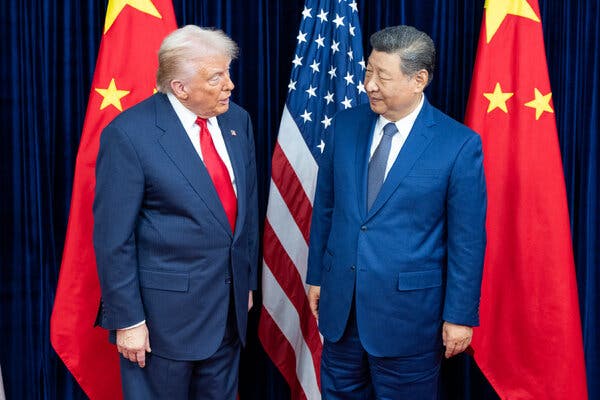
Rare earth metals are crucial in the manufacturing of advanced products, including automobiles, semiconductors, drones, and military hardware such as fighter jets and tanks. The recent diplomatic discussions between China and the United States played a significant role in this development. Following a meeting between Chinese leader Xi Jinping and President Trump on October 30 in Busan, South Korea, China committed to suspending the new regulations.
While the Chinese government has officially stated that it will issue general licenses for the export of critical minerals, details surrounding these licenses remain vague. The White House has indicated that these licenses effectively signify the removal of the stringent controls imposed by China since 2023. According to a White House statement issued on November 1, this agreement includes not only rare earths but also other materials such as gallium, germanium, antimony, and graphite.
The lack of clarity regarding the duration and requirements for these general licenses raises questions about the future of China’s export policies. The Ministry of Commerce has yet to provide specific information on the application process for companies seeking these licenses.
As global supply chains continue to navigate the complexities of trade regulations, this suspension may have significant ramifications for industries reliant on these critical minerals. The move could potentially ease tensions between China and the United States and foster a more stable trading environment in the coming year.