Bridgewater Associates, the hedge fund established by Ray Dalio, has made a significant investment in Applied Materials (AMAT), acquiring approximately $94.9 million in shares during the third quarter of 2025. This move is particularly noteworthy as it comes at a time when the hedge fund has reduced its holdings in prominent technology stocks, including Nvidia (NVDA). The news of Bridgewater’s stake in AMAT has generated considerable interest in the semiconductor sector, suggesting a shift in investment strategy.
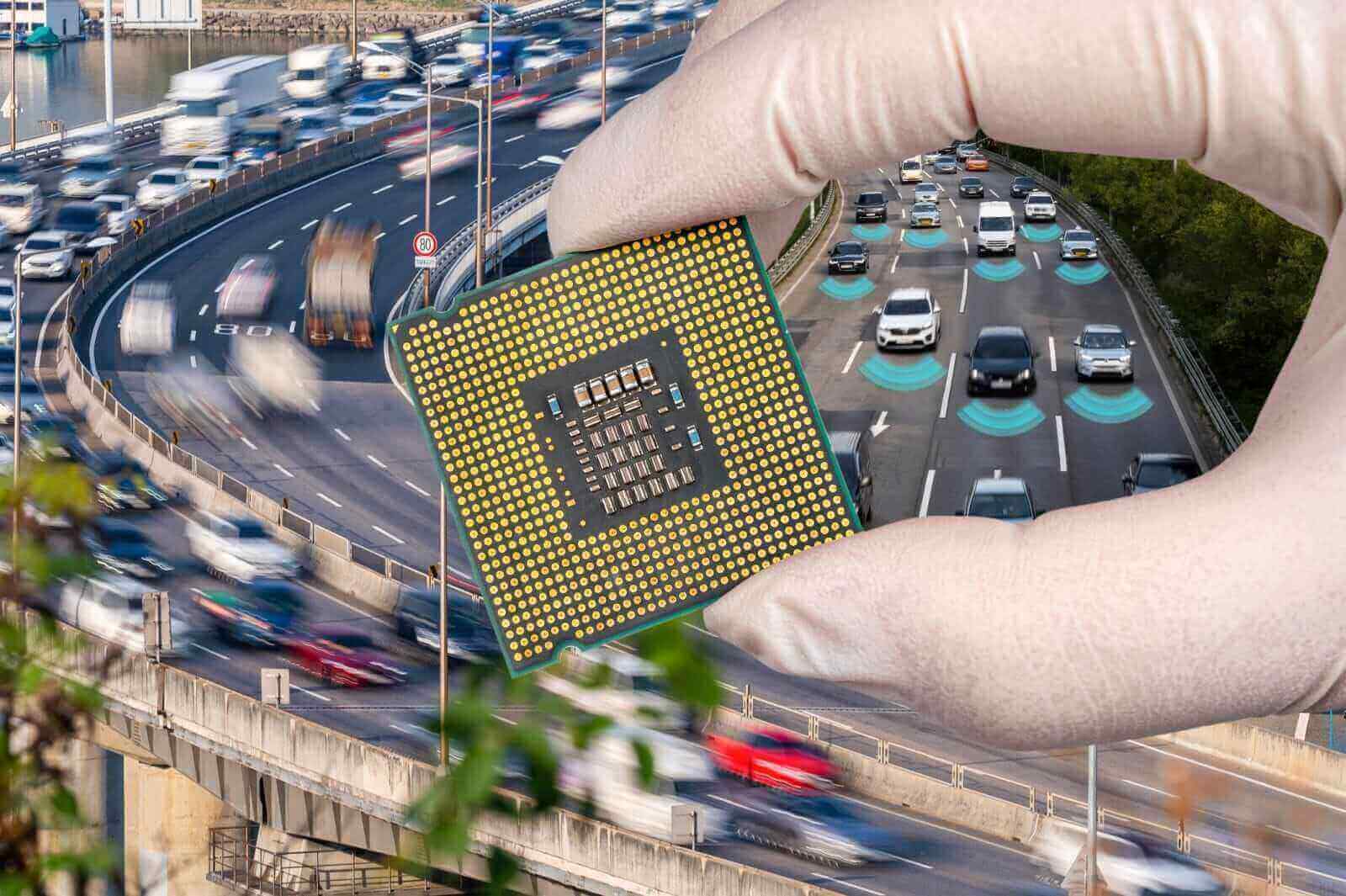
Applied Materials, a leading supplier of equipment used in semiconductor and display manufacturing, has seen its stock value rise sharply in 2025. Year-to-date, shares of AMAT have appreciated by roughly 40%, a trend driven largely by increasing demand for AI and memory chips. The company, headquartered in California, specializes in providing sophisticated machinery that transforms silicon wafers into essential components for various devices, including smartphones and computers.
Market Response and Financial Overview
With a market capitalization of approximately $180 billion, AMAT’s stock appears reasonably valued, trading at a forward price-to-earnings ratio in the mid-20s and around 6x sales. This valuation is competitive compared to high-growth firms like ASML and Nvidia, positioning AMAT as an attractive option amidst strong market demand for semiconductors.
Bridgewater’s decision to initiate a position in AMAT signals confidence in the company’s long-term prospects. By reducing stakes in larger tech firms while increasing its investment in Applied Materials, the hedge fund suggests that it sees potential for stability and growth in the semiconductor space.
In its latest financial report, Applied Materials demonstrated robust performance, achieving revenues of $7.3 billion, an increase of 8% from the previous year. Non-GAAP net income reached $1.99 billion, with earnings per share (EPS) climbing 17% to $2.17. The semiconductor systems segment led sales with $5.43 billion, reflecting strong demand in logic and memory applications.
Future Prospects and Industry Trends
Looking ahead, management projects next-quarter revenue around $6.7 billion and EPS near $2.11. For the entire fiscal year, the company reported record results, with revenues nearing $28.37 billion and non-GAAP EPS of $9.42 billion, slightly exceeding expectations. The CEO emphasized that the acceleration of AI adoption continues to drive investment in advanced semiconductors and wafer fabrication equipment.
Recent developments have also included a partnership with Apple (AAPL) and Texas Instruments (TXN) aimed at enhancing U.S. chip manufacturing capabilities. This collaboration involves a commitment of over $200 million to establish a new factory in Arizona, which the CEO described as essential for strengthening America’s position in the semiconductor industry.
Despite these positive developments, challenges persist. In November, AMAT shares experienced a decline after management cautioned about potential revenue losses due to new U.S. export restrictions on China, with estimates suggesting that around $600 million in fiscal 2026 revenue could be at risk. The company has also initiated workforce reductions to streamline operations in light of these challenges.
Wall Street analysts generally maintain an optimistic outlook on AMAT’s stock. Morgan Stanley recently raised its price target from $209 to $256 while keeping an “Overweight” rating, indicating that forthcoming earnings could significantly influence investor sentiment. Similarly, Goldman Sachs has reaffirmed a “Buy” rating with a target of $250, citing AMAT’s strong position in the memory chip market.
Overall, the consensus rating among analysts is a “Moderate Buy,” reflecting confidence in AMAT’s ability to capitalize on ongoing trends in AI and semiconductor demand, despite the geopolitical risks that loom over the industry. As AMAT continues to navigate these complexities, the investment from Bridgewater Associates serves as a noteworthy endorsement of its potential amidst an evolving market landscape.