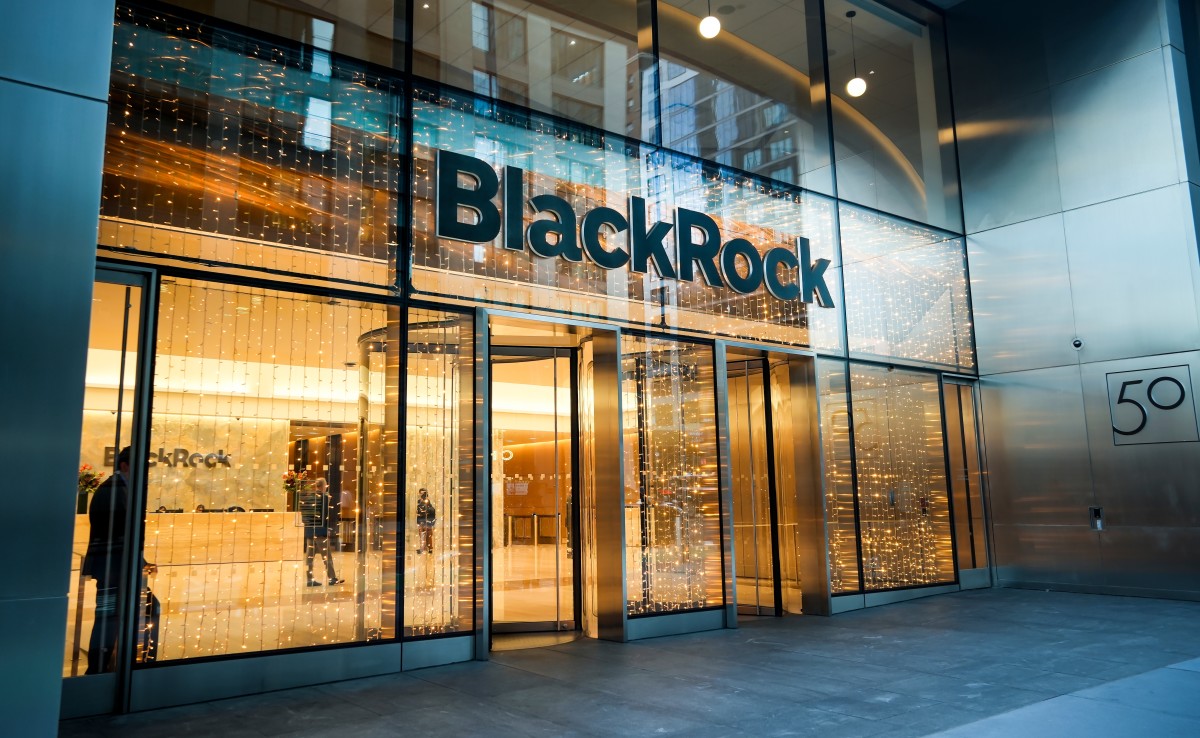
On January 15, 2026, BlackRock, one of the world’s largest asset management firms, announced its fourth quarter and full year 2025 earnings report. This week marked a significant period for the firm, characterized by strategic job cuts and a record high in Assets Under Management (AUM).
In a move to streamline operations, BlackRock laid off over 250 employees, representing approximately 1% of its global workforce. This reduction primarily affected members of the investment and sales teams. The firm aims to enhance its focus on alternative investments, a strategy that has prompted earlier job cuts in 2025, each also accounting for 1% of headcount. Following these announcements, BlackRock’s stock experienced a decline, especially after TD Cowen downgraded its rating from Buy to Hold and reduced the price target to $1,209, down from $1,407. Analysts pointed to a lack of positive catalysts heading into 2026 as a reason for this shift.
Despite these challenges, BlackRock achieved a remarkable $14 trillion in AUM, bolstered by record net inflows of $698 billion for the year. The fourth quarter alone generated $342 billion in net inflows, alongside a notable 12% annualized organic base fee growth.
Strategic Acquisitions and Future Growth
In 2025, BlackRock made headlines with its acquisition of HPS Investment Partners for $12 billion, fully paid in BlackRock equity. The firm announced plans to integrate HPS into a new division called Private Financing Solutions (PFS), which aims to unify its private credit, general partner (GP), and limited partner (LP) solutions along with its private and liquid collateralized loan obligation (CLO) businesses.
Laurence D. Fink, BlackRock’s CEO and Chairman, expressed optimism about 2026, describing it as the firm’s “first full year as a unified platform with GIP, HPS, and Preqin.” He highlighted the company’s diverse offerings, which include private markets, 401(k) plans, active exchange-traded funds (ETFs), digital assets, and tokenization.
Amid these strategic shifts, BlackRock also increased its quarterly dividend by 10%, raising it to $5.73 per share. However, the firm reported a 16% decrease in its diluted earnings per share (EPS) for the full year, which dropped to $35.31. This decline is attributed to acquisition-related expenses and noncash charitable contributions.
Analyst Outlook and Market Response
Following the earnings report, analysts displayed a more positive outlook for BlackRock’s stock. Bank of America raised its price target from $1,431 to $1,467, maintaining a Buy rating. The bank revised its EPS estimates for Q1 2026 through 2028, driven by expectations of higher management and performance fees that would offset a slight decline in operating margin.
Deutsche Bank also increased its price target for BlackRock, moving it from $1,296 to $1,380, citing a solid fourth quarter and strong fee growth momentum as key factors supporting a higher share valuation.
As BlackRock navigates these changes, the firm remains focused on leveraging its recent acquisitions, which have already contributed significantly to client inflows and revenue. The integration of HPS, GIP, and Preqin is expected to enhance the firm’s competitive position in the asset management landscape, setting the stage for a more diversified and rewarding future for its shareholders and clients.