The recent departure of Marcel Vernon, the first Black CEO of the Massachusetts Convention Center Authority (MCCA), has raised significant concerns about the state of Black leadership and support in Boston. Following his exit, which occurred after he advocated for transparency and independent investigations into misconduct, many are questioning the commitment of the local Black community to support its own leadership.
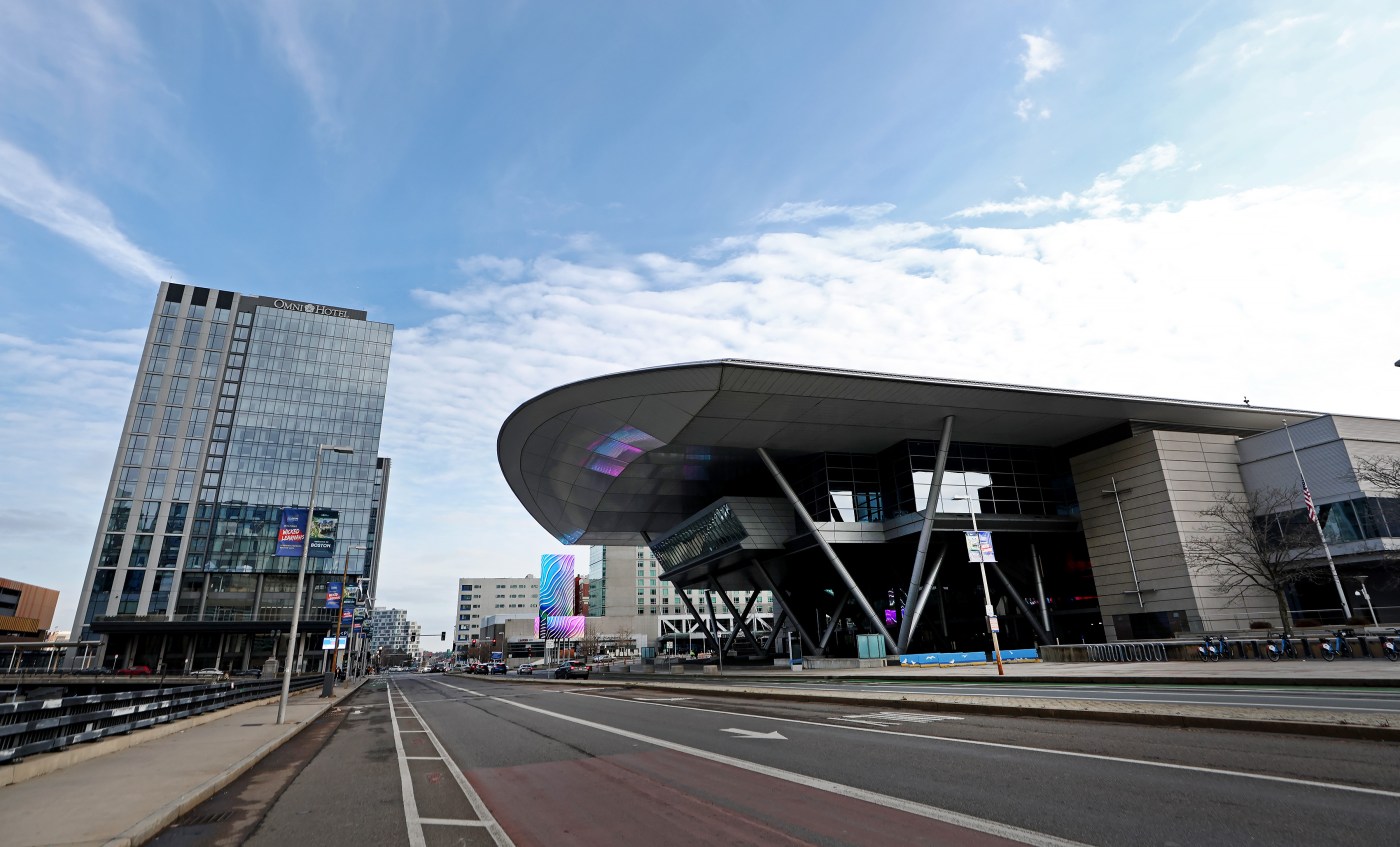
The MCCA, which oversees key venues such as the Thomas M. Menino Convention and Exhibition Center and the John B. Hynes Veterans Memorial Convention Center, operates with substantial financial influence. The authority manages approximately 30 acres of prime land in the South Boston Waterfront, a region where development can yield projects worth around $30 million per acre. This suggests a land value of nearly $900 million, with potential total project values reaching between $2 billion and $3 billion when factoring in vertical development.
With an annual budget of approximately $137 million and an economic impact estimated at $1.2 billion, the MCCA plays a crucial role in supporting nearly 11,500 full-time jobs across Massachusetts. Given this context, Vernon’s appointment as CEO was seen as a significant step toward diversity in a historically underrepresented field. Unfortunately, his tenure was cut short, leading to concerns about the absence of a coordinated response from Boston’s Black political and civic leaders.
The lack of public statements from influential groups, such as the Governor’s Black Advisory Council and the Black and Latino Legislative Caucus, has been particularly striking. This silence can be interpreted as tacit acceptance of the status quo, raising questions about the commitment to equity and representation within Boston’s leadership. The absence of a unified voice from Black leaders on this issue suggests a broader failure to protect and support Black leadership in the city.
Vernon’s vision for the MCCA included promoting economic development that benefits all communities. He created roles for a Chief Procurement Officer and a Supplier Diversity Officer, aimed at facilitating equitable access to contracting opportunities for minority- and women-owned businesses. Additionally, he established a partnership with the Black Economic Council of Massachusetts, which involved a $580,000 investment to support local vendors.
His approach highlighted the importance of connecting the MCCA’s economic impact to communities throughout the state, not just in Boston. By facilitating major events across regions like western Massachusetts and creating job pathways for local residents, Vernon’s leadership aimed to leverage public assets for broader public good.
Despite these initiatives, the recent election cycle revealed a lack of focus on a cohesive Black agenda in Boston. Candidates for mayor and city council did not face questions about their commitments to Black communities, indicating a missed opportunity for accountability. This oversight was evident in discussions surrounding the renovation of White Stadium, where a unified demand for equitable participation in the project was notably absent.
As Boston faces challenges in fostering a supportive environment for Black leaders, the impact of Vernon’s departure serves as a critical reminder of the need for active engagement and solidarity within the community. The city has the potential to set a national example for inclusive economic development, but without a concerted effort to uphold and defend Black leadership, that potential remains unrealized.
The issues raised by Vernon’s tenure and subsequent dismissal highlight a broader cultural struggle within Boston. Until there is a fundamental shift in how Black leadership is perceived and supported, discussions around Black wealth and representation will lack substance. The community’s silence in the face of such significant loss underscores the necessity for a collective commitment to fostering equitable opportunities for all.