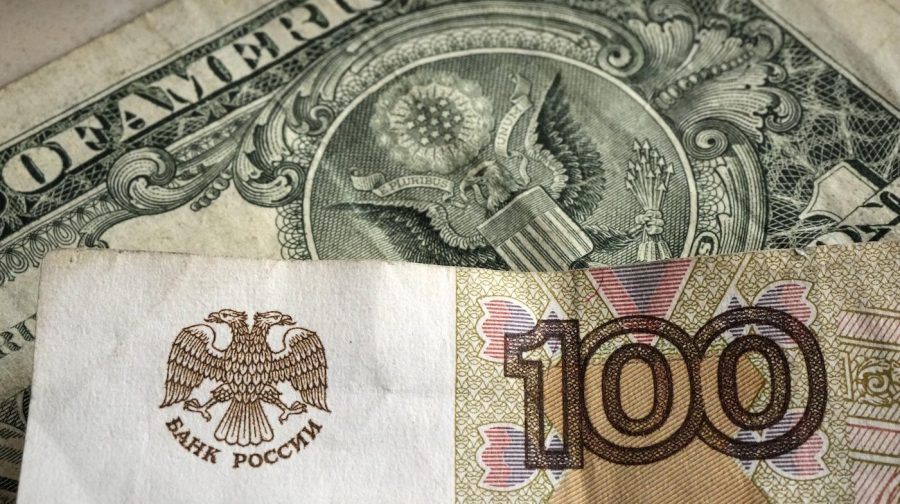
Recent discussions among global leaders have intensified the call for the United States and the European Union to unfreeze Russian assets to support Ukraine’s financial recovery. With approximately $300 billion in Russian reserves currently held in Western banks, advocates argue that these funds could play a crucial role in addressing Ukraine’s pressing economic needs.
The ongoing conflict in Ukraine has severely strained the country’s economy. As the war continues, Ukrainian officials have outlined critical requirements for recovery, including infrastructure rebuilding, humanitarian aid, and economic stability. The situation has prompted various international organizations, including the International Monetary Fund and the World Bank, to assess the financial landscape and propose solutions.
Calls for Action from Global Leaders
In recent weeks, officials from both the United States and the European Union have faced increasing pressure to take decisive action. Prominent figures, including European Commission President Ursula von der Leyen, have emphasized the need for a consolidated strategy to utilize these frozen assets. Von der Leyen noted, “We must ensure that Russia’s financial resources are redirected to aid the people of Ukraine who are suffering due to this conflict.”
The proposal to unfreeze and repurpose Russian assets is not without controversy. Critics argue that such actions could set a dangerous precedent in international finance, while proponents insist that the unique circumstances of the Ukraine crisis warrant a re-evaluation of these funds’ use. The stakes are high, as Ukraine’s recovery hinges on timely economic support.
International Support and Financial Strategies
As discussions progress, support from the United States and EU remains essential. Ukrainian officials have estimated that the country requires billions of dollars to rebuild its infrastructure and stabilize its economy. Recent reports suggest that without immediate financial assistance, Ukraine’s ability to recover from the war’s devastation will be severely hampered.
To address these challenges, financial experts advocate for a multifaceted approach. This includes not only unfreezing Russian assets but also increasing direct financial aid from Western nations. According to estimates, Ukraine may require upwards of $5 billion monthly to cover its operational costs during the conflict.
Furthermore, the international community’s response is crucial for establishing a long-term recovery plan. The potential use of Russian assets could foster a collaborative effort among nations to support Ukraine while simultaneously addressing the ramifications of the ongoing war.
As the situation evolves, the United States and European Union must weigh the legal and ethical implications of unfreezing these assets against the urgent humanitarian needs in Ukraine. The outcome of these discussions could significantly impact the trajectory of Ukraine’s recovery and the broader geopolitical landscape. The urgency for action has never been greater, and the world is watching closely as leaders navigate this critical juncture.