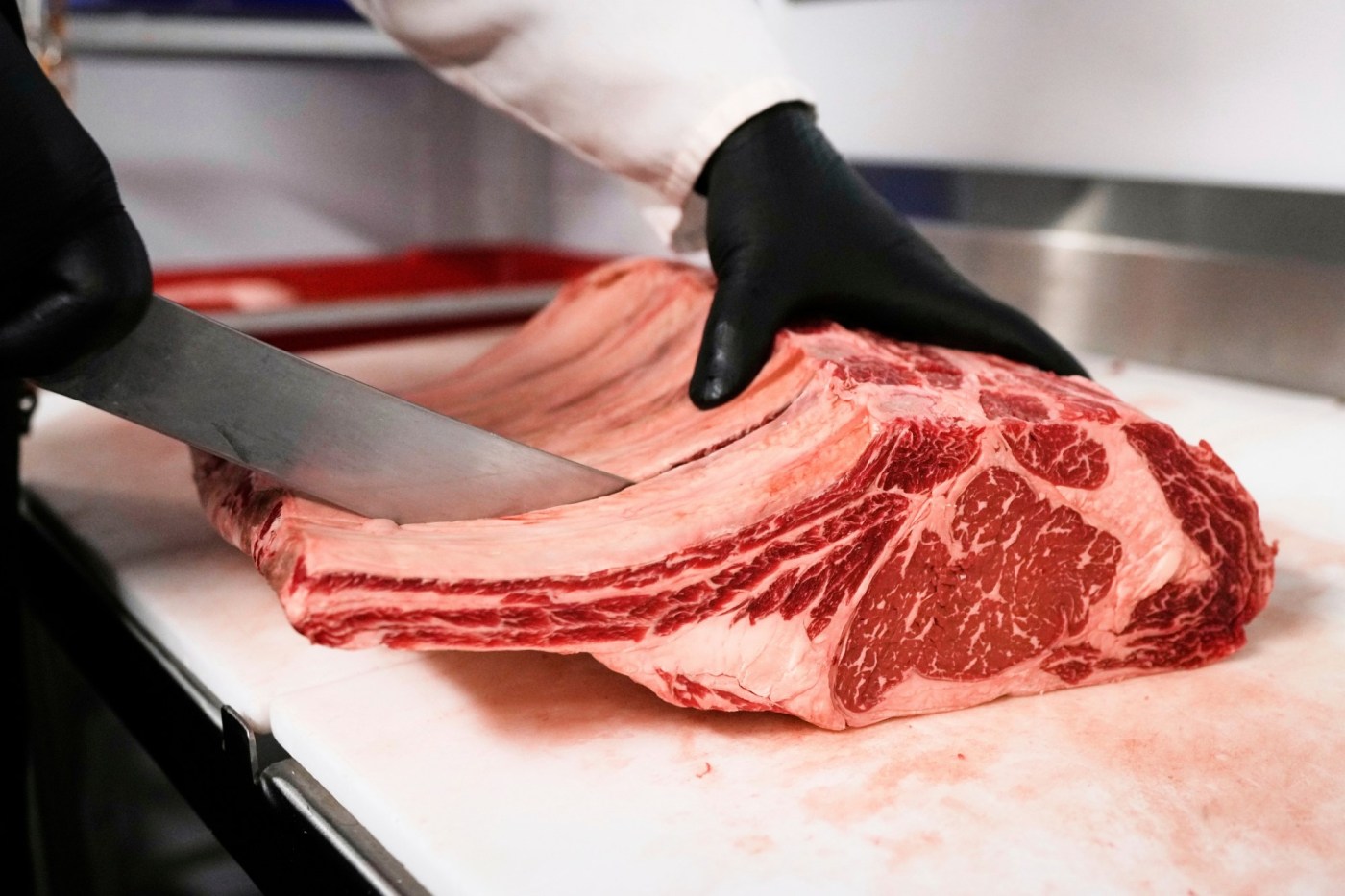
Record-high beef prices are sweeping across grocery stores in the United States, yet consumers remain undeterred, continuing to purchase steaks and burgers. This significant price increase has led to a federal investigation into the nation’s largest meatpackers, a development that may reshape the industry.
In November 2023, President Donald Trump instructed the Department of Justice to initiate a formal investigation targeting the largest beef processors in the country. The investigation stems from allegations of potential collusion, price-fixing, and price manipulation among these firms. In a social media post, Trump emphasized the need to protect American ranchers, asserting that foreign-owned meatpackers are responsible for artificially inflating prices and compromising the nation’s food supply.
The White House indicated that the inquiry aims to restore competition within a market dominated by just four companies that control approximately 85% of U.S. beef processing capacity.
Who Are the Major Players?
The investigation primarily focuses on the so-called “Big Four” meatpackers:
– JBS (based in Brazil)
– Cargill
– Tyson Foods
– National Beef
According to the White House, two of these companies, including JBS, are either foreign-owned or under significant foreign control. This concentration of market power marks a stark contrast to the industry landscape of four decades ago, when the top four processors accounted for about 36% of the U.S. beef market, as reported by the U.S. Department of Agriculture.
The Path to Consolidation
The concentration of the beef processing industry began in the 1980s and 1990s. Major packers invested in large, high-efficiency slaughter and processing plants that could handle a greater volume of cattle at lower costs compared to smaller regional plants.
Research from the USDA’s Economic Research Service reveals that a typical top-four-owned plant processed approximately 417,000 head of cattle in 1980. By 2002, that figure had more than doubled to over one million. This dramatic increase in scale pushed many smaller plants out of the market, resulting in the rapid consolidation of power among the Big Four. By the mid-1990s, these companies controlled over 80% of the nation’s beef processing.
Interestingly, initial studies funded by the USDA suggested that this consolidation was not entirely detrimental. Larger plants showed greater cost efficiency, and these savings initially translated into lower beef prices for consumers. Increased demand also contributed to stronger prices for cattle producers during this period.
Yet, this advantage did not endure.
The turning point occurred around 2015 when market dynamics changed. Previously, packers maintained additional plant capacity, incentivizing them to competitively bid for cattle to keep plants operating at full capacity. Once the industry reached near-full capacity, this competitive pressure diminished, allowing packers to reduce their bids for cattle without concern for losing supply.
Data from the USDA indicates that the gap between what packers pay ranchers for cattle and the prices they charge for boxed beef widened significantly during this time. In some instances, that price gap doubled or even tripled compared to previous decades.
As the investigation unfolds, the Trump administration argues that the combination of soaring beef prices for consumers, shrinking margins for ranchers, and the overwhelming market share held by these four companies raises serious concerns about potential market manipulation.
Currently, ground beef prices have surged to an average of $6.33 per pound, reflecting an increase of more than 11% compared to the previous year, according to the latest consumer price index. The White House states that the DOJ’s investigation aims to restore competition and ensure fair pricing throughout the supply chain, from ranch to retail.
The outcome of this investigation could have significant implications for the beef industry and the consumers who rely on it. As the situation evolves, stakeholders are watching closely to see how regulatory actions might shape the future of meat processing in the United States.