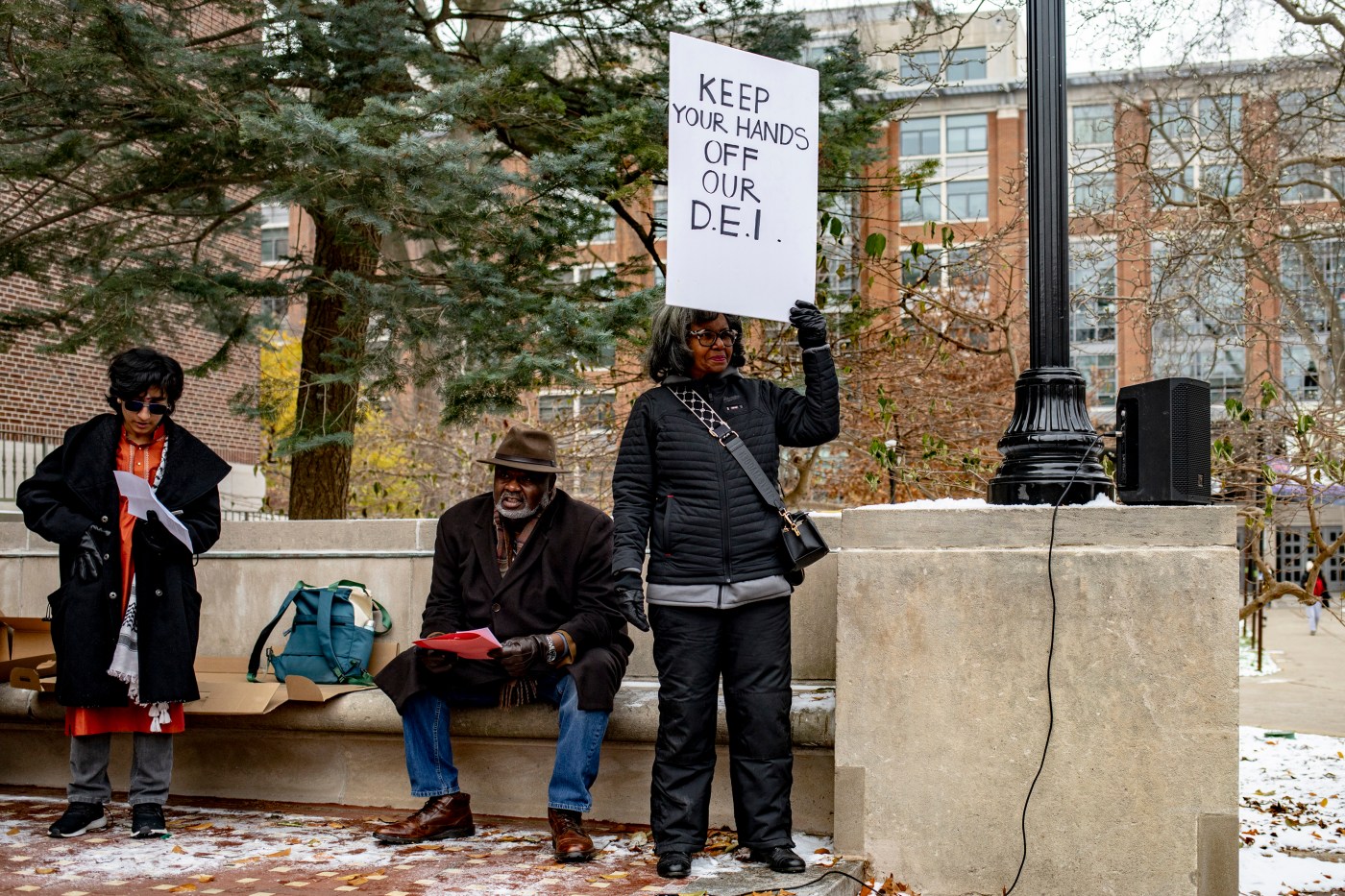
Debates surrounding diversity, equity, and inclusion (DEI) are intensifying, particularly in the context of free speech and employment practices in the United States. Recent letters to the editor expressed contrasting views on DEI, with contributors arguing both for and against its principles and implications in society.
Brian Clouse from Oviedo contended that proponents of DEI often disguise their opposition to basic decency behind claims of free speech. He emphasized that principles such as anti-racism and anti-sexism are not merely political stances but fundamental moral imperatives. Clouse stated, “You absolutely do have the right to free speech. You absolutely do not have the right to be free of consequences for your speech.” His remarks underscore a belief that individuals should openly take responsibility for their views, particularly when they oppose widely accepted values.
DEI as Education, Not Philosophy
In a different perspective, Jim James from Winter Garden argued against the notion that DEI undermines merit in employment decisions. He acknowledged the importance of hiring based solely on qualifications rather than race or sexual orientation. James pointed out that societal attitudes still reflect prejudice, citing a statement from a conservative speaker expressing concern about the qualifications of a Black pilot. He asserted that DEI should be viewed as an educational framework aimed at fostering fairness in the workplace.
According to James, the essence of DEI is not to impose a philosophy but to ensure that individuals are evaluated based on their character and merit. He stressed that the goal is to eliminate biases that could impact hiring and professional opportunities.
Concerns Over Peace Plan for Ukraine
The ongoing conflict in Ukraine has prompted discussions about potential peace initiatives, with criticism directed at a controversial plan proposed by Steve Witkoff, a billionaire real estate developer appointed by former President Donald Trump as his special envoy for peace missions. This plan has been met with skepticism, particularly in Kyiv and major European capitals, where it is perceived as favoring Vladimir Putin and requiring significant concessions from Ukraine.
Critics, including Jim Paladino from Tampa, argue that Witkoff’s approach mirrors the historic Munich Agreement of 1938, which allowed for the annexation of Czechoslovakia by Germany. Paladino likened the current situation to past failures of appeasement, warning that it could embolden aggressors rather than foster lasting peace.
The discussions surrounding DEI and the Ukraine peace plan illustrate the complexities of contemporary societal issues. As public opinion continues to evolve, the dialogue reflects deeper values and principles that shape actions and policies in the United States and beyond.