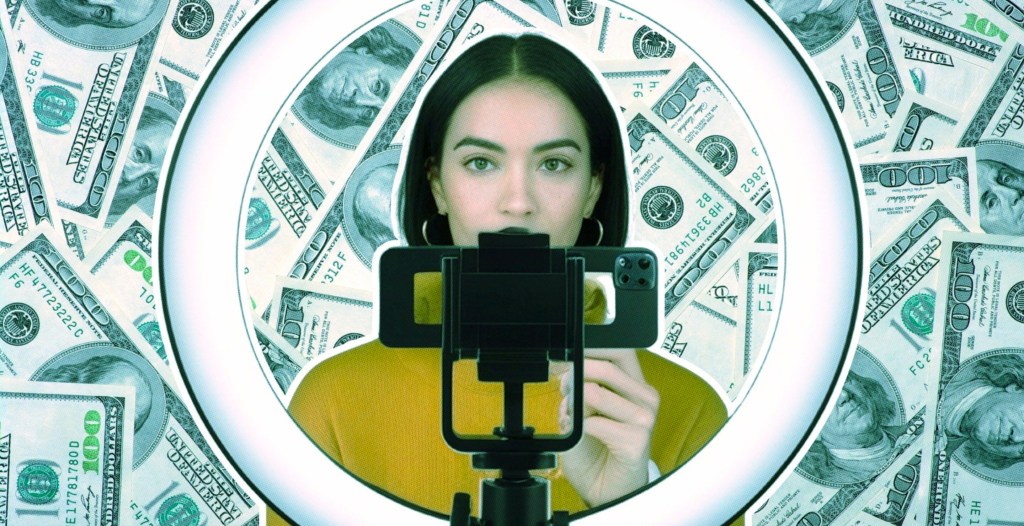
The rise of **RichTok**, a subculture on TikTok characterized by affluent influencers sharing extravagant lifestyles, has sparked significant backlash. Posts featuring lavish life advice from wealthy women often blur the line between aspiration and absurdity. This phenomenon showcases a world where a **$4 million** wedding in **Lake Como** is merely a casual anecdote, and private jets are deemed essential for emotional well-being.
Critics argue that the advice offered is often out of touch with the realities faced by the average person. For instance, influencer **Becca Bloom**, with **6.2 million** followers, recently made headlines for her views on gender equality. She stated, “Here’s what men don’t understand about equality: you think equality is splitting the bill,” emphasizing the persistent wage gap and the costs women incur to meet beauty standards. Bloom claimed her husband “pays all the bills,” which she described as “the bare minimum.” Such comments elicited strong reactions, with users responding, “I will not be lectured on equality by this billionaire.”
Another prominent figure, **Bayleigh Dayton**, candidly shared that she employs three nannies for her two toddlers. Many viewers reacted negatively, expressing disbelief at her situation. One commenter lamented, “We like it, we just can’t afford it,” while another criticized her reliance on hired help, stating, “That is other people doing your job and parenting your kids instead of you.”
**Brianna Owen** also contributed to the discussion with her parenting tip, suggesting that flying private is the solution to avoiding toddler meltdowns on planes. Her assertion prompted incredulous responses, with one user quipping, “Not all of us got knocked up by someone rich.” This highlights the disconnect many feel between the influencers’ experiences and ordinary family life.
Another influencer, **Aerely Chacon**, shared her preference for being chauffeured rather than driving herself, stating, “I want to be in the back seat.” This declaration was met with criticism from users who found the notion of avoiding driving to be absurd.
Meanwhile, **Nia Chi**, showcasing her collection of luxury bags, declared that her life improved since she stopped complaining about her partner’s work commitments. Critics pointed out that such a lifestyle comes at the cost of meaningful interactions.
These influencers continue to share their extravagant lifestyles and unsolicited advice, often leading to a digital backlash. The juxtaposition of their lavish lifestyles against the everyday struggles of most people highlights a stark divide. As they post their glamorous content, audiences around the world remain skeptical, rolling their eyes at what they perceive as an unrealistic portrayal of life.
RichTok remains a platform where the wealthy share their experiences, but it also serves as a reminder of the different realities many face. The ongoing conversation about wealth, privilege, and the advice shared on such platforms reflects a broader societal discourse on inequality and the meaning of success.