
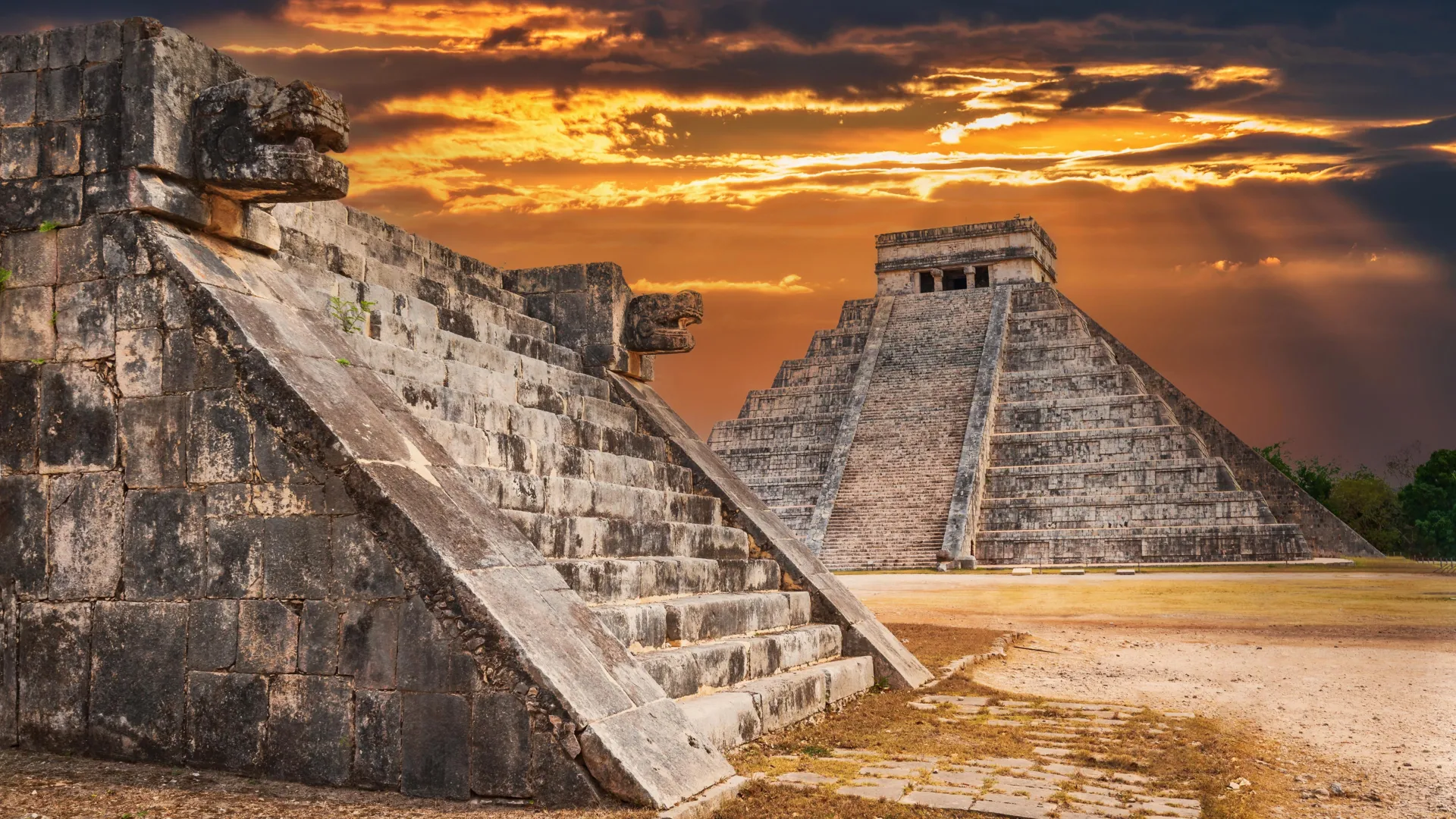
UPDATE: New evidence from researchers at the University of California – Santa Barbara reveals that the collapse of Classic Maya cities was driven by more than just drought. This groundbreaking study, published on November 26, 2025, uncovers a multifaceted interplay of climate downturns, conflict, and agricultural economies that reshaped ancient urban life.
The findings are critical as they challenge the long-held belief that drought alone led to the downfall of these once-thriving cities. Instead, researchers led by archaeologist Douglas Kennett uncovered that urban growth was fueled by various factors that made city living appealing for rural farmers. However, as conditions improved in the countryside, many opted for the freedom and better living conditions outside the urban environment.
This urgent research, which applied population ecology theory, shows that urbanization and subsequent deurbanization were influenced by complex interactions among environmental changes, intergroup conflicts, and significant investments in agricultural infrastructure. This study aims to clarify why populations concentrated in cities, only to later disperse when rural areas became more viable.
Kennett stated, “The rise and expansion of Classic Maya cities resulted from the interaction of climate downturns, intergroup conflict, and strong economies of scale.” The researchers utilized high-resolution climate records and advanced computational modeling techniques to better understand these dynamics.
The study highlights the surprising revelation that urban abandonment occurred during improving climatic conditions, contradicting previous theories that linked city decline solely to prolonged drought. “It turns out to be a much more complicated and interesting story,” Kennett remarked, emphasizing the need for a more nuanced understanding of urban evolution.
This research not only sheds light on the ancient Maya civilization but also provides insights into modern urban challenges. It underscores the persistent factors driving people toward and away from urban centers, a phenomenon relevant in today’s world where cities continue to face issues like economic pressures and public health crises.
As this story develops, the implications for understanding urban growth and decline become increasingly relevant. The findings encourage further examination of how ancient lessons can inform contemporary urban planning and sustainability.
Stay tuned for more updates as researchers continue to explore the intricate history of the Maya and its lessons for modern society.


