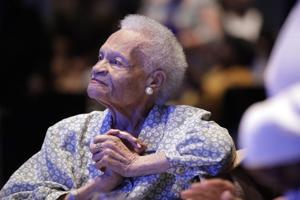
Viola Fletcher, the last known survivor of the **1921 Tulsa Race Massacre**, passed away on **June 5, 2023**, at the age of **111**. Her death marks a poignant moment in history, as she was one of the few remaining witnesses to one of the most devastating racial violence incidents in U.S. history.
Fletcher’s passing leaves **Lessie Randle**, aged **110**, as the sole living survivor of the massacre that devastated the Greenwood District of **Tulsa, Oklahoma**. On May 31 and June 1, 1921, a white mob attacked the prosperous Black community, resulting in the deaths of hundreds and the destruction of thousands of homes and businesses. The massacre has been described as one of the worst incidents of racial violence in American history, yet it remained largely unrecognized for decades.
In the years leading up to her death, Fletcher became a prominent advocate for justice and recognition for the victims of the massacre. She testified before the **U.S. Congress** in 2021, recounting her traumatic experiences and urging lawmakers to support reparations for the survivors and descendants of the victims. Fletcher’s powerful testimony highlighted the need for acknowledgment and healing regarding the historical injustices faced by the Black community in Tulsa.
A Life Marked by Resilience
Viola Fletcher was born on **May 21, 1912**, in Tulsa. As a child, she witnessed the horrors of the massacre, which left an indelible mark on her life. In the aftermath, her family lost their home and livelihood, forcing them to rebuild amidst deep-seated trauma and systemic racism. Despite these challenges, Fletcher maintained a spirit of resilience and determination.
Over the years, she became a symbol of survival and hope for many, sharing her story with younger generations to ensure that the legacy of the massacre would not be forgotten. Fletcher often spoke about the importance of remembering history to prevent similar atrocities in the future.
In interviews, she emphasized that her quest for justice was not only for herself but for all those who suffered during the massacre. “I am here to tell my story, and I want people to understand what happened,” she stated in one of her public addresses.
Legacy and Commemoration
The legacy of Viola Fletcher extends beyond her own life. Her advocacy raised awareness about the Tulsa Race Massacre, leading to increased calls for justice and reparations. In recent years, there has been a renewed focus on the history of the Greenwood District, with various initiatives aimed at educating the public about the events of 1921 and their lasting impact.
In **2021**, the centennial of the massacre, Fletcher and other survivors were honored in numerous events and memorials. These gatherings not only commemorated the victims but also served as a platform for discussions about racial equity and reparative justice in the United States.
As the last known survivor, Fletcher’s death signifies a significant loss for the community and the ongoing fight for recognition of the massacre’s impact. Her story will continue to resonate as a reminder of the resilience of the human spirit and the necessity of confronting historical injustices.
Viola Fletcher’s remarkable journey and her unwavering commitment to justice will be remembered by many. Her advocacy has left an enduring mark on the movement for racial equality, ensuring that the voices of those affected by the 1921 Tulsa Race Massacre remain heard.