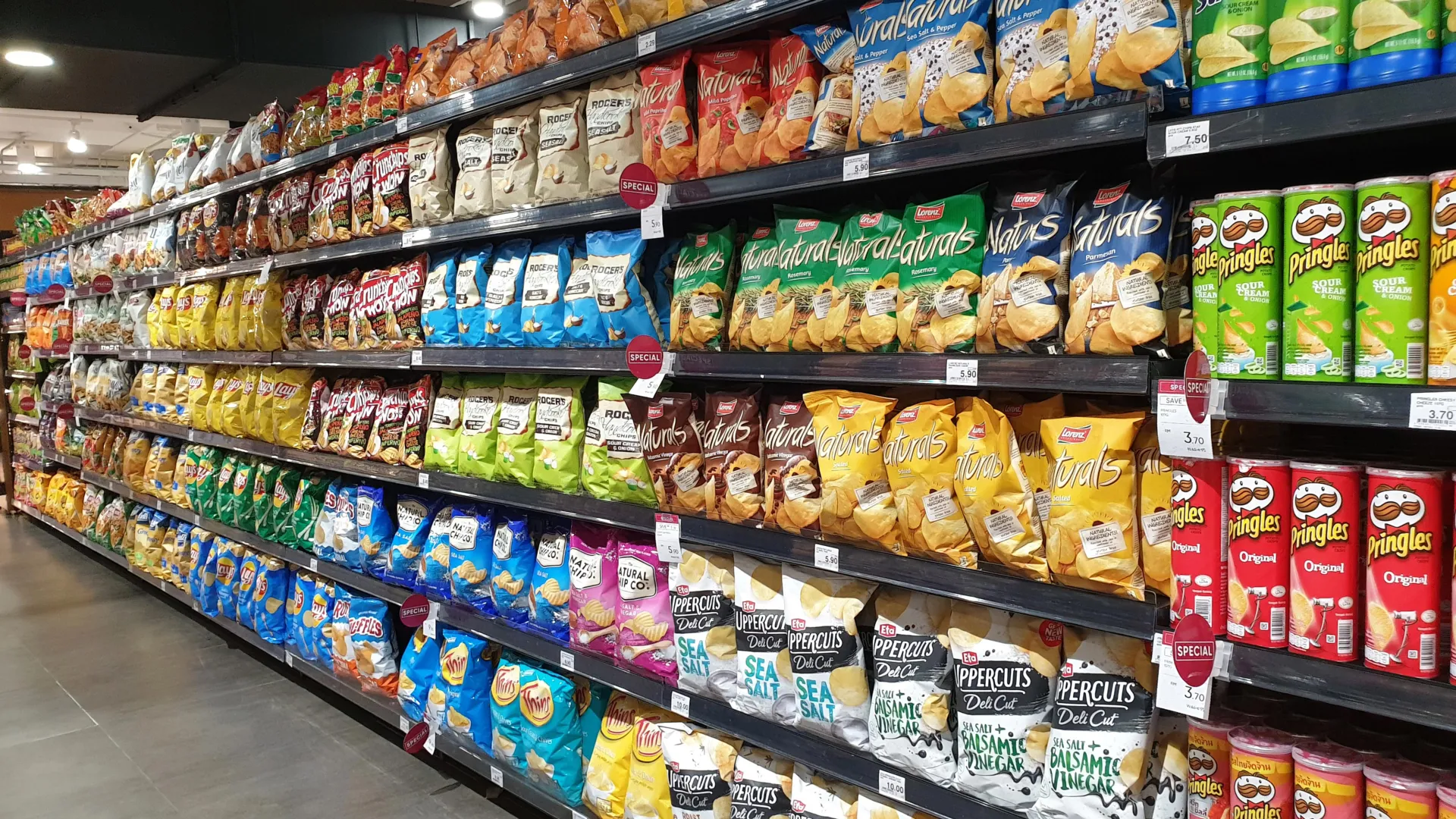
UPDATE: A shocking new report reveals an alarming global surge in ultra-processed foods (UPFs), prompting urgent health warnings from experts. Released on November 24, 2025, by The Lancet, the research highlights severe public health risks tied to the rising consumption of these products, which are reshaping diets and fueling chronic health issues worldwide.
In a comprehensive series involving 43 international experts, the findings underscore a direct link between UPF consumption and deteriorating health outcomes. The report calls for immediate, coordinated policy actions to combat corporate influences that prioritize profit over public health.
Professor Carlos Monteiro of the University of Sao Paulo warns, “The growing consumption of ultra-processed foods is reshaping diets globally, displacing fresh and minimally processed foods. This shift is driven by powerful global corporations that profit immensely while blocking effective public health policies.”
As UPFs dominate the food landscape, experts are seeing a troubling trend. For instance, national surveys show that the proportion of dietary energy from UPFs has skyrocketed, tripling in places like Spain and China over the past three decades. In the USA and UK, UPF consumption has remained above 50% for two decades, with slight increases noted over time.
This surge in UPF consumption correlates with rising rates of chronic diseases, including obesity, type 2 diabetes, and cardiovascular diseases. A systematic review cited in the report indicates that out of 104 long-term studies, 92 showed higher risks for at least one chronic disease associated with high UPF diets.
“We need a strong global public health response — like the coordinated efforts to challenge the tobacco industry,” says Dr. Phillip Baker from the University of Sydney. “Governments must introduce bold, coordinated policy action to combat UPFs.”
To effectively tackle this crisis, experts propose several policy measures, including stricter regulations on marketing UPFs, especially to children, and implementing taxes on these products. Professor Camila Corvalan from the University of Chile emphasizes the importance of front-of-package labeling for UPF ingredients to help consumers make informed choices.
Moreover, the authors highlight Brazil’s successful national school feeding program, which has significantly reduced UPF availability in schools. By 2026, the program mandates that 90% of school food must be fresh or minimally processed.
With global UPF sales reaching an astonishing $1.9 trillion, the study reveals that food corporations are leveraging low-cost ingredients and aggressive marketing to entrench UPFs deeply into daily diets. Professor Simon Barquera from the National Institute of Public Health in Mexico states, “Powerful corporations — not individual choices — are behind the global rise of ultra-processed foods.”
As the evidence mounts, experts are calling for a unified global response to protect public health and reshape food systems. Professor Karen Hoffman from the University of the Witwatersrand urges, “We need a bold, coordinated global response now to curb the disproportionate power of UPF corporations.”
The findings from The Lancet Series highlight the urgent need for action to ensure healthier diets are accessible and affordable for everyone, especially vulnerable populations. As the world faces rising levels of obesity and chronic diseases, the time for change is NOW.
For more updates on this developing story, stay tuned as the global health community pushes for urgent reforms in dietary standards and food production practices.