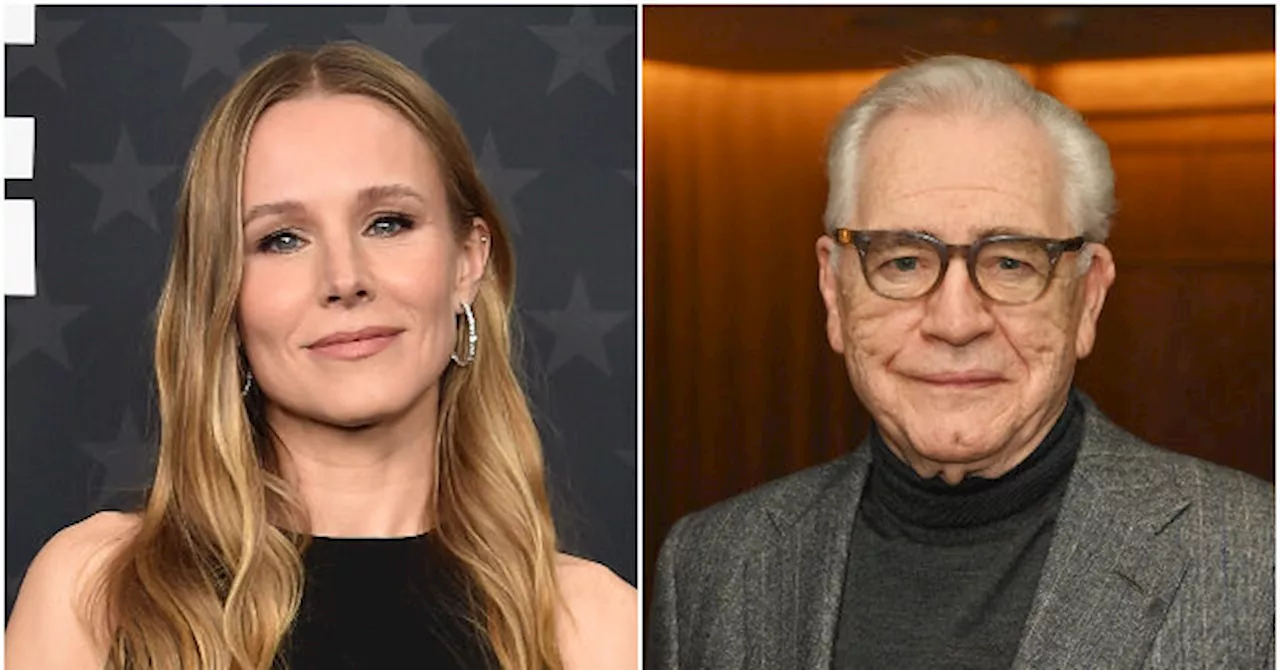
UPDATE: A group of Hollywood actors, including Kristen Bell, Brian Cox, and Malcolm McDowell, are expressing shock and outrage after discovering their voice recordings from a 2010 project have been repurposed for a new Fox News religious podcast series under the Fox Faith brand. The actors claim they were blindsided, having received no prior notice about the repackaging of their work.
The voice recordings, originally created for an entirely different project owned by Gulfstream Studios, are now part of a 52-part podcast series. Alongside Bell, Cox, and McDowell, other prominent figures such as Sean Astin, John Rhys-Davies, and Julia Ormond share similar concerns. Fans are reacting strongly on social media, voicing disappointment over the association of these actors with Fox News, especially given the political implications involved.
Representatives for the actors confirmed they only learned about the podcast’s existence when it was officially announced this week. One representative stated that they were contacted by Fox Faith just one day before the announcement, requesting the actor’s promotion of the series without disclosing the nature of the project.
Further complicating the matter, an email reportedly sent by a producer of the Fox Faith series requested one actor refrain from mentioning the original 2010 production date, aiming to present the podcast in a more contemporary light. This raises serious concerns about transparency and the potential for misrepresentation.
While the actors are not opposed to the religious content or the platform itself, they are primarily concerned about the lack of consent regarding the use of their artistic contributions. They fear that their association with the Fox Faith podcast could mislead audiences regarding their personal beliefs and affiliations.
The original recordings are legally owned by Gulfstream Studios, which means the right to repurpose the content lies with the studio. However, the ethical implications of this situation are significant. The controversy highlights an urgent need for clearer communication and consent in the entertainment industry, particularly regarding how older works are recontextualized.
The actors involved have noted that they are not questioning the legality of Gulfstream Studios’ actions but are troubled by the absence of prior communication. They express concern about the potential impact on their public image, emphasizing the importance of transparency, especially in an era of rapid media consumption and social media scrutiny.
This incident serves as a cautionary tale for creators and rights holders about the ethical considerations of repurposing content. As media landscapes evolve, the re-distribution of older projects could lead to significant misunderstandings about the creators involved.
The situation continues to develop, with many in the entertainment industry watching closely. This episode underscores the critical need for respect and clarification in the use of intellectual property, ensuring that artists’ rights and reputations are safeguarded in an increasingly complex media environment.
Stay tuned for further updates on this unfolding story.