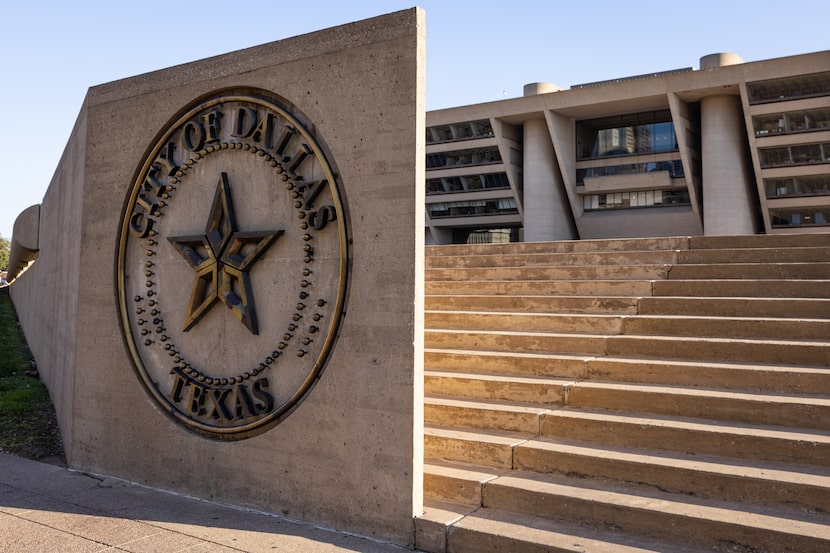
UPDATE: The future of Dallas City Hall is under urgent scrutiny as officials announce a staggering $600 million in deferred maintenance costs, raising concerns about the building’s viability. This revelation has ignited a heated debate about whether to renovate or abandon the iconic structure designed by renowned architect I.M. Pei.
Just hours ago, city leaders confirmed they are exploring alternatives to the current City Hall, with some advocates calling for a complete transformation of the building into a vibrant community hub, blending residential and commercial spaces under one roof. The discussion is intensifying, and residents are demanding transparency and thorough evaluation of all options before any hasty decisions are made.
Why It Matters Now: The fate of City Hall is not just a matter of architecture; it affects the heart of Dallas. As the city grapples with pressing civic needs, the implications of a drastic move could reshape the urban landscape. Critics warn against repeating the mistakes of the past, where decisions were made with a sense of urgency and little public input.
In a letter to the editor, resident Robert Gilbreath expressed frustration over the lack of transparency surrounding the purported crisis, likening the current situation to historical instances of inflated threats leading to rash decisions. “Dallas deserves better than policy by panic,” he stated, urging for a comprehensive independent assessment of the building’s condition.
Meanwhile, Kathleen Matsumura proposes a bold alternative: transforming the City Hall into a mini-village filled with apartments, shops, and communal spaces. Drawing inspiration from successful urban redevelopments across the country, she believes this could revitalize not only the building but the surrounding community as well.
As the clock ticks, public sentiment is shifting. Norwood Andrews advocates for a radical reimagining of the adjoining City Hall Plaza, which is legally protected as parkland. He argues for a true central park that could serve as a transformative gathering space, offering far more benefits than a new stadium project.
In contrast, voices like Lee P. Oneacre suggest relocating City Hall offices to the Kay Bailey Hutchison Convention Center, which is undergoing a multi-billion-dollar renovation. With changing trends in convention attendance, he stresses the need for forward-thinking solutions to utilize the space effectively.
As the debate continues, residents are demanding clear figures on the total cost of ownership for maintaining City Hall versus building anew. Jim Manning warns against immediate decisions based purely on financial persuasion from developers. “Take the long view,” he urges, reflecting a sentiment shared by many who are concerned about the potential loss of a historic landmark.
The urgency of this matter is palpable, with city leaders expected to make critical decisions in the coming weeks. Residents are encouraged to engage in the discussion, ensuring their voices are heard amidst the chatter of developers and political maneuvers.
As the situation develops, all eyes will be on Dallas to see how this iconic landmark’s future unfolds. Will the city prioritize preservation and innovation, or rush to a decision that could alter its skyline forever? Stay tuned for further updates as this story progresses.