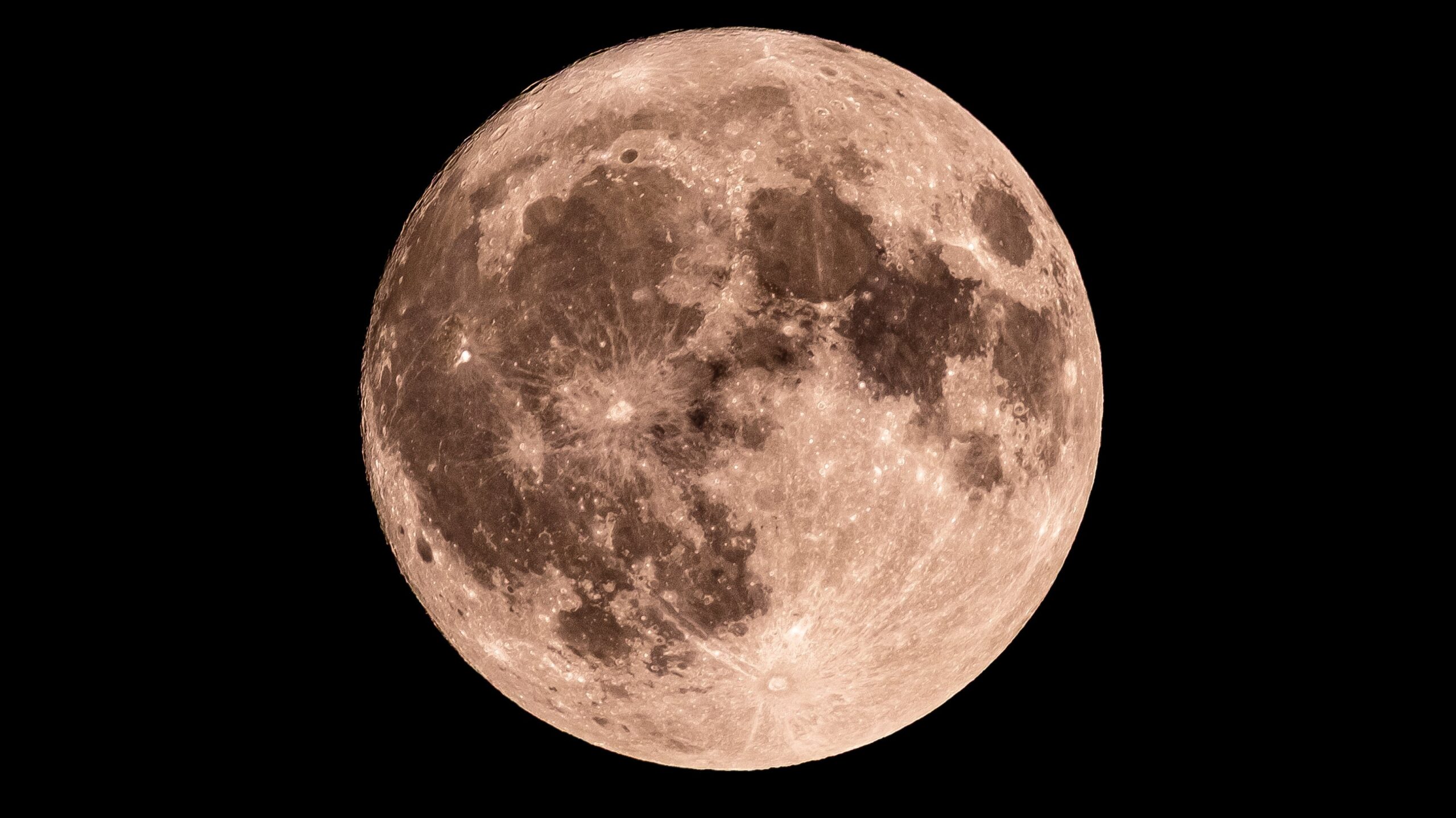
This evening, the moon will be particularly prominent in the night sky, offering a great opportunity for moon-gazing enthusiasts. On November 23, the moon phase is classified as Waxing Crescent, with approximately 10% of its surface illuminated, according to data from NASA. This phase follows several nights of near darkness, making tonight’s viewing especially noteworthy.
For those without telescopes or binoculars, the moon’s surface will still reveal two significant features: the Fecunditatis Mare and the Crisium Mare. Observers equipped with binoculars or a telescope can also catch a glimpse of the Endymion Crater, which is located towards the top right corner of the moon’s face for viewers in the Northern Hemisphere, and the bottom left for those in the Southern Hemisphere.
Upcoming Full Moon and Lunar Phases Explained
The next full moon will occur on December 4, marking the final occurrence of three consecutive supermoons. The previous full moon took place on November 5. Understanding the moon’s phases is essential for appreciating these celestial events. The lunar cycle spans approximately 29.5 days, during which the moon transitions through various phases based on its position relative to the Earth and the sun.
The eight primary moon phases include:
– **New Moon**: The moon is positioned between the Earth and the sun, rendering it invisible.
– **Waxing Crescent**: A small sliver of light appears on the right side in the Northern Hemisphere.
– **First Quarter**: Half of the moon is illuminated on the right side, resembling a half-moon.
– **Waxing Gibbous**: More than half of the moon is lit, but it is not yet full.
– **Full Moon**: The entire face of the moon is fully illuminated.
– **Waning Gibbous**: The moon begins to lose light on the right side.
– **Third Quarter (or Last Quarter)**: Another half-moon, but the left side is now lit.
– **Waning Crescent**: A thin sliver of light remains on the left side before the cycle begins anew.
Understanding these phases adds depth to the experience of observing the moon. Each stage offers a different visual spectacle, inviting enthusiasts to engage with the night sky.
Tonight’s Waxing Crescent phase serves as a reminder of the moon’s beauty and the intricate celestial mechanics that govern its visibility. Whether you are an experienced astronomer or a casual observer, the moon’s glow tonight promises to be a captivating sight.