UPDATE: The Trump administration is escalating efforts to protect Nigeria’s Christians, following alarming violence against religious groups in the region. Just last week, President Trump warned of possible military action, stating the U.S. could go in “guns-a-blazing” to combat Boko Haram and other militant groups. This marks a significant shift in U.S. policy as officials signal a broader strategy to combat the ongoing crisis.
In the wake of recent attacks on schools and churches, the State Department is now pursuing a multifaceted approach that includes not only military readiness but also diplomatic tools, potential sanctions, and intelligence sharing with the Nigerian government. A senior official described this as an expansive strategy aimed at addressing the urgent plight of victims.
Defense Secretary Pete Hegseth recently met with Nigeria’s national security adviser, Malam Nuhu Ribadu, to discuss collaborative efforts to curb the violence that has increasingly targeted both Christians and Muslims. Hegseth emphasized the need for Nigeria to take immediate action against the threats posed by jihadist terrorists.
“We are working aggressively with Nigeria to end the persecution of Christians,” Hegseth stated on social media following their meeting.
The administration’s renewed focus comes as Trump expressed his outrage over the violence, calling it a “disgrace” and criticizing Nigeria’s government for its inaction. He threatened to halt all U.S. assistance if the government fails to protect its citizens. The Nigerian government, however, has rejected these claims, asserting that they are committed to combating the violence.
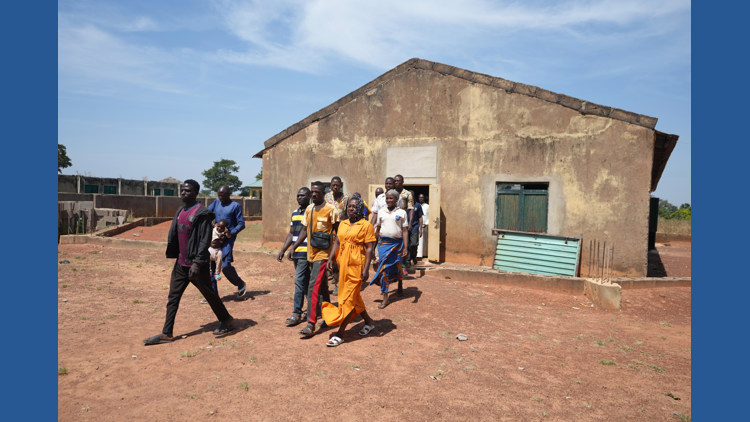
Recent incidents highlight the severity of the situation, with armed groups conducting mass abductions and assaults on places of worship. The violence has drawn international attention, prompting public figures like Nicki Minaj to voice their concerns at a recent U.N. event, advocating for an end to religious persecution.
While military intervention remains a possibility, experts caution that any U.S. military action must be carefully coordinated with Nigeria to avoid exacerbating the conflict. The complexities of Nigeria’s violence involve deep-rooted issues such as clashes between predominantly Muslim herders and Christian farmers over resources, as well as the financial motivations behind many attacks.
As the U.S. considers its options, the diminishing security footprint in Africa complicates potential military involvement. U.S. forces would likely need to be redeployed from distant locations, raising concerns about operational effectiveness. Analysts warn that mere airstrikes would not adequately address the underlying causes of the crisis.
“Nigeria’s struggles with insecurity are decades in the making,” said Judd Devermont from the Center for Strategic and International Studies. “It will not be reversed overnight by an influx of U.S. resources.”
As the situation continues to develop, all eyes are on the U.S. response and Nigeria’s capacity to manage and mitigate violence against its citizens. While the Trump administration prepares for possible intervention, the need for a comprehensive strategy that includes economic support and local partnerships is more critical than ever.
The international community watches closely as the U.S. navigates this delicate situation, stressing the importance of collaboration with Nigerian authorities to ensure a sustainable resolution. What happens next will directly impact the lives of countless individuals caught in the crossfire of this ongoing crisis.