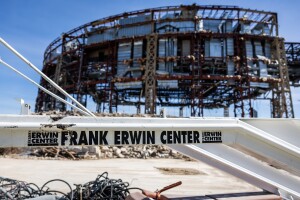
The University of Texas Board of Regents is re-evaluating the location for the upcoming academic medical campus associated with UT Austin. Originally planned for the site of the former Frank Erwin Center in downtown Austin, the development will now potentially shift to a larger, undeveloped property owned by the university.
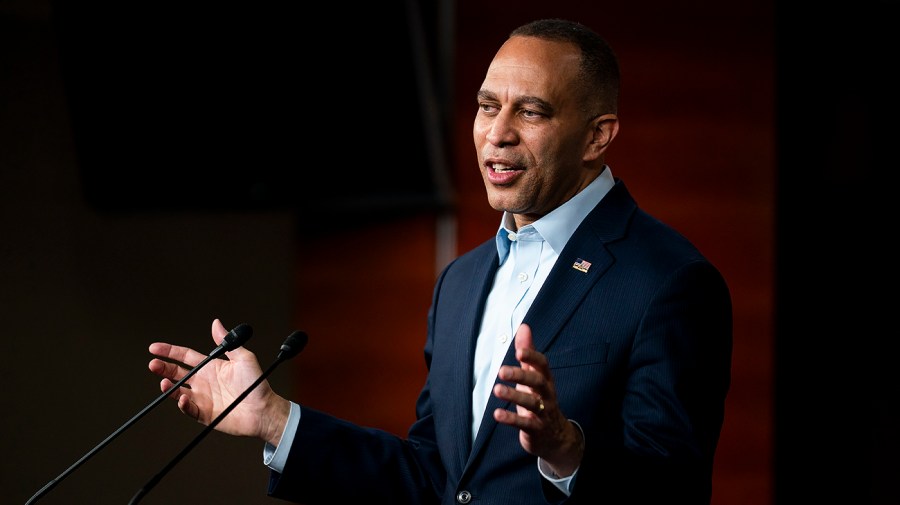
During a board meeting on Thursday, Kevin Eltife, chairman of the UT Board of Regents, highlighted the significance of the project, describing it as “one of the biggest projects of this generation.” He emphasized that the initiative aims to create more than just an integrated academic medical center; it seeks to establish a comprehensive district for future medical advancements.
The board is considering a site located north of the main UT Austin campus, near the Domain, which has been described as a promising alternative. Eltife mentioned that there have been extensive discussions regarding the project with Jim Davis, president of UT Austin, and Peter Pisters, president of the MD Anderson Cancer Center. A design team will evaluate the North Austin site to determine its feasibility for the ambitious project.
The initial location at the Erwin Center remains a possibility as well. Despite the change in potential site, a representative from UT confirmed that the overall timeline for the project remains unchanged. Construction is expected to commence in 2026, with an anticipated opening in 2030.
This project represents a significant investment in healthcare and education, aiming to enhance medical research and treatment options in Texas. The MD Anderson Cancer Center is renowned for its cancer treatment and research, and its involvement in this new campus is expected to elevate the region’s standing in medical innovation.
As plans develop, stakeholders will continue to assess the best options to ensure the campus meets the needs of both the university and the wider community. The final decision on the location will reflect the commitment to creating a state-of-the-art medical facility that serves future generations.