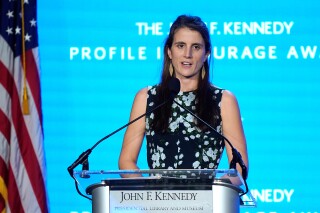
Tatiana Schlossberg, the granddaughter of former U.S. President John F. Kennedy, has revealed in a poignant essay that she is battling terminal cancer. The announcement, made on March 15, 2024, in “The New Yorker,” details her diagnosis of acute myeloid leukemia, a rare form of cancer typically found in older adults. At just 34 years old, Schlossberg learned of her condition shortly after the birth of her second child when a routine blood test indicated an elevated white blood cell count.
In her essay, Schlossberg explained that her diagnosis came in May 2024. Following this, she has undergone extensive treatment, including multiple rounds of chemotherapy and two stem cell transplants. The first transplant utilized cells from her sister, while the second involved cells from an unrelated donor. She has also participated in clinical trials in hopes of finding more effective treatment options. During one of these trials, her doctor provided a stark prognosis, stating he could keep her alive for “about a year, maybe.”
Family Legacy and Personal Reflections
Schlossberg expressed her deep concerns about the impact of her illness on her young children, fearing they may not remember her. She reflected on her life with her husband, George Moran, lamenting the future experiences she will miss. “I feel cheated and sad that I won’t get to keep living the wonderful life I had,” she wrote. The emotional weight of her situation is compounded by the efforts of her family to shield her from their pain, a struggle she acknowledges daily.
In her essay, Schlossberg also addressed the political landscape, noting the actions of her cousin, Robert F. Kennedy Jr., who has been prominent in public discourse, including a presidential run. She articulated her worries that policies he supports could negatively affect cancer patients. “As I spent more and more of my life under the care of doctors, nurses, and researchers striving to improve the lives of others, I watched as Bobby cut nearly a half billion dollars for research into mRNA vaccines,” she stated. She emphasized the potential of this technology to combat certain cancers, highlighting the intersection of her personal battle with broader healthcare issues.
The timing of Schlossberg’s essay coincided with the 62nd anniversary of the assassination of her grandfather, John F. Kennedy. Her reflections serve not only as a personal account of her struggle but also as a call to attention regarding the challenges faced by cancer patients and the importance of continued research funding.
Schlossberg’s journey resonates deeply, showcasing the intertwining of family legacy and the harsh realities of serious illness. As she navigates this difficult path, her words serve as a reminder of the fragility of life and the profound impact of health policies on individuals and families alike.