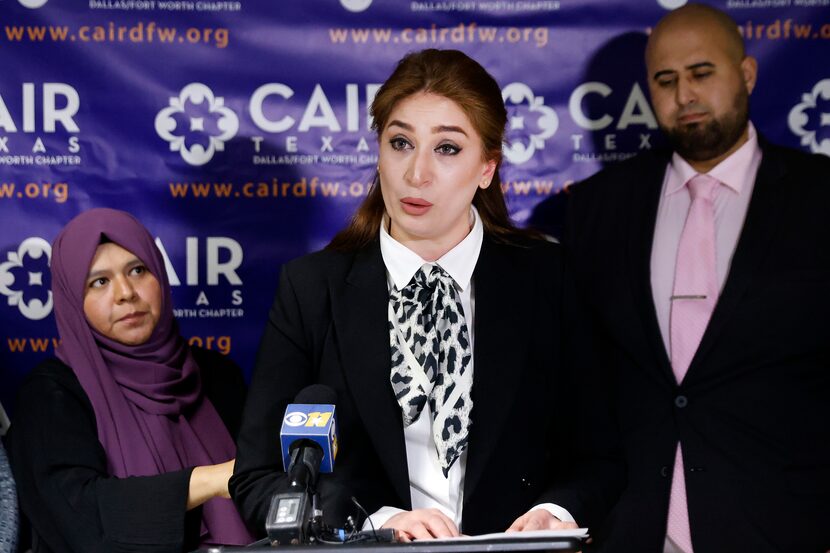
Recent statements by Texas state leaders have ignited significant controversy, particularly concerning the Council on American-Islamic Relations (CAIR). Rev. Ryan Wager, a Christian pastor from Dallas, expressed deep concern over remarks made by Attorney General Ken Paxton and Governor Greg Abbott. Wager argues that these declarations, which he claims are based on unfounded allegations and political theatrics, do not promote safety but rather foster fear and division within the community.
Paxton’s assertion that “America is a Christian nation” has been labeled historically inaccurate and theologically flawed by Wager. He contends that Christianity, which emphasizes compassion and love for one’s neighbor, should not be enforced by government decree. Furthermore, Abbott’s classification of CAIR as a terrorist organization has drawn sharp criticism, particularly regarding its potential implications for Muslim families in Texas. Wager argues that this rhetoric endangers families, children, and elders by portraying them as threats in their own communities, despite their contributions as teachers, doctors, and civic leaders.
Abbott’s comments have prompted questions about whether similar designations might soon target other organizations. Joel MacMillan, a resident of Krum, highlighted concerns about the implications of such declarations on groups like Moms For Liberty and the Heritage Foundation.
In a separate discourse, the influence of billionaire investor Mark Cuban was questioned by Kathy Robinson from North Dallas. She speculated whether Cuban regrets bringing the Adelson family to Dallas, an inquiry reflecting broader concerns about the impact of high-profile figures on local dynamics.
DART’s Role in Evolving Transportation Needs
The Dallas Area Rapid Transit (DART) system has also been a focal point of debate. In a recent opinion piece, Shelby Williams criticized DART for failing to keep pace with North Texas’s rapid development over the past four decades. However, Adam Kolodny, a Plano resident, countered this perspective. He praised DART for its significant contributions, including two light rail lines, accessible transit options, and the introduction of the popular Go-Link on-demand service. Kolodny emphasized that DART has successfully integrated new services to meet the evolving needs of the region, allowing for efficient travel across a sprawling area.
Barriers to Voter Registration and Licensing
On another front, the challenges faced by Texans seeking to register to vote or renew their driver’s licenses have come under scrutiny. According to information from the Texas Department of Public Safety, many residents encounter significant obstacles, particularly concerning internet access. A survey from 2019 indicated that approximately 27.6% of Texans lacked home internet access, which complicates the registration process.
For those who manage to navigate the online system, the process can still be frustrating, with long wait times for appointments—sometimes exceeding 60 days. With an anticipated three million Texans registering to vote via the department in 2024, concerns are mounting regarding the system’s capacity to meet demand. Patti Hamilton of Forestburg called on policymakers to address these barriers by improving the digital infrastructure and enhancing service availability.
These discussions highlight the complex landscape of community relations, transportation needs, and voter access in Texas, revealing a state grappling with both its historical identity and its future trajectory. As leaders continue to shape the narrative, the importance of fostering inclusivity and addressing systemic barriers remains paramount for the well-being of all Texans.